How to Keep Your Pet Bird Healthy: Complete Care Guide
How to Keep Your Pet Bird Healthy — Complete Care & Prevention Guide
Here's a fact that catches almost every new bird owner off guard: by the time your bird actually looks sick, they've often been unwell for a while already. It's not neglect on your part — it's evolution. In the wild, showing weakness makes a bird an easy target for predators, so they instinctively mask illness until they simply can't anymore. That single fact changes everything about how bird health should actually be approached: prevention and early detection aren't nice extras, they're the entire strategy.
Here's a complete, avian-vet-informed guide to keeping your pet bird healthy — the most common health issues, what actually prevents them, and which products genuinely make a difference.
Why Bird Health Requires a Different Mindset
Most illness and early death in pet birds traces back to something preventable: poor diet, a dirty cage, household hazards, or unmanaged stress — not bad luck. That's actually good news. It means the majority of what threatens your bird's health is within your control, provided you know what to watch for.
Vet tip: Delays in catching illness meaningfully reduce a bird's chances of a full recovery. If something seems even slightly off, don't wait for more symptoms to confirm it — an earlier vet call costs you far less than a later one.
The Most Common Pet Bird Health Issues
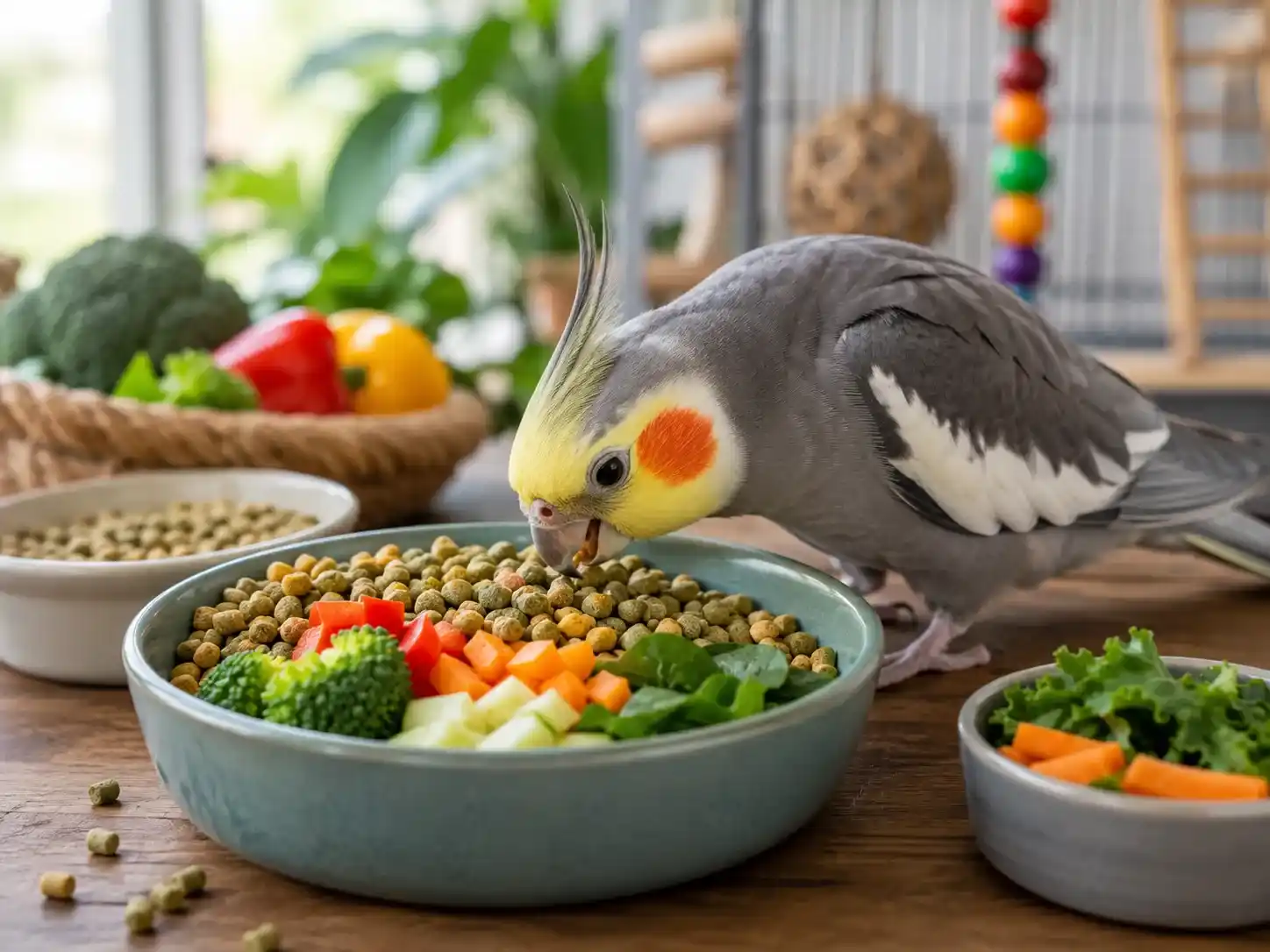
1. Diet-Related Disease This is, by a wide margin, the most common health problem in pet birds. All-seed diets are nutritionally incomplete, leading to deficiencies in vitamin A, D, E, and calcium that weaken the immune system and contribute to feather and beak problems. Certain species — like African grey parrots on seed-heavy diets — are especially prone to dangerously low blood calcium, which can cause tremors or seizures. ✅ Shop Now — Complete Pellet Diet ✅ Shop Now — Calcium Cuttlebone / Mineral Block
2. Respiratory Infections Among the most common health problems vets see in birds, caused by bacteria, viruses, fungi, or parasites. Watch for sneezing, wheezing, nasal discharge, labored breathing, or coughing. Poor ventilation, dust, and airborne chemicals are major contributing factors. ✅ Shop Now — Air Purifier for Bird Rooms
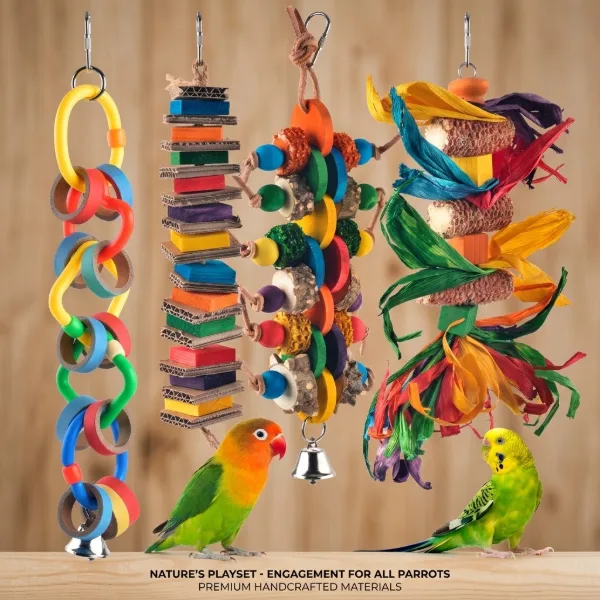
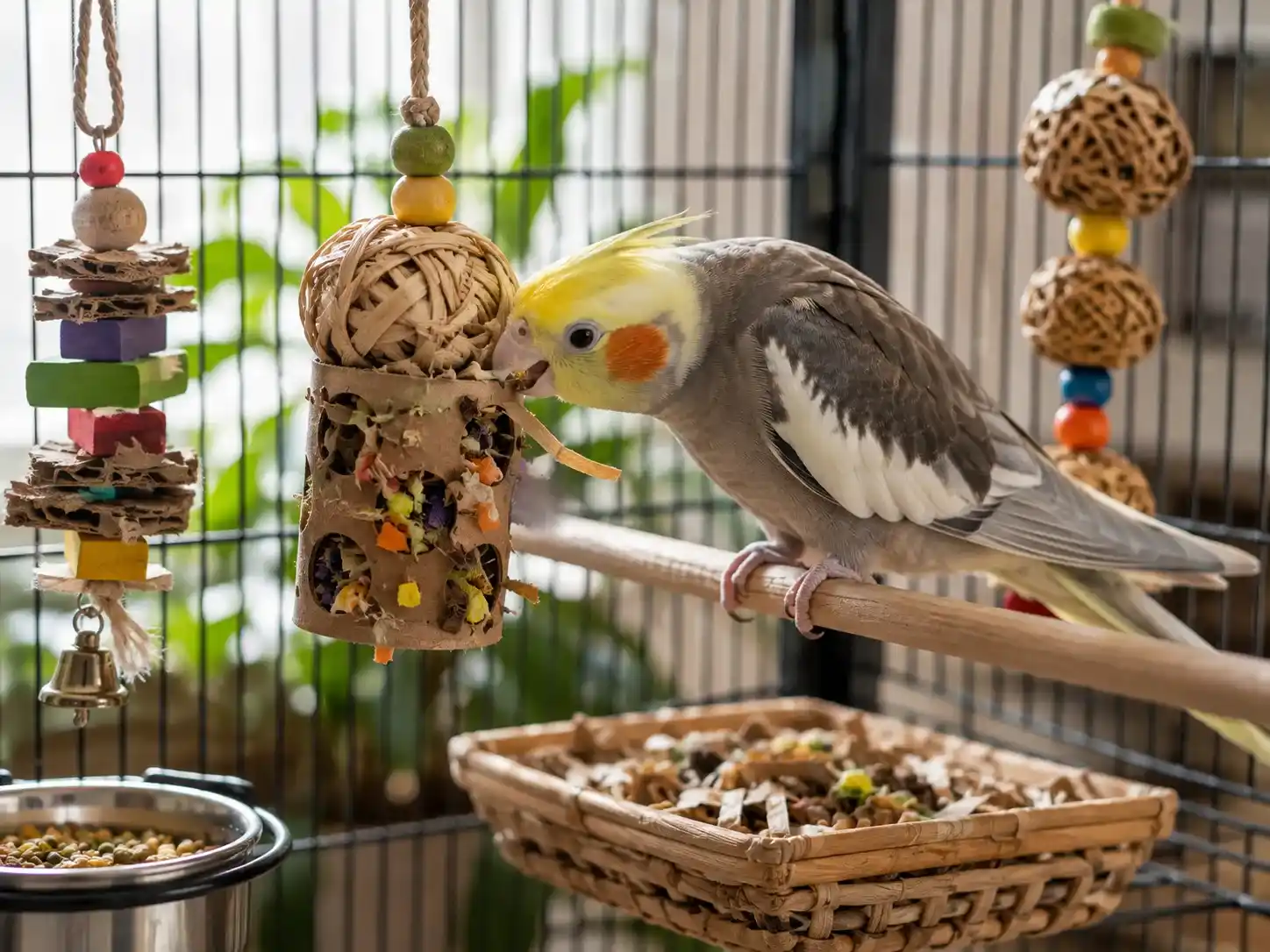
3. Feather Plucking / Feather Destructive Behavior (FDB) This can be behavioral (stress, boredom, loneliness) or medical (skin infection, allergies, parasites), which is exactly why it shouldn't be assumed to be "just a phase." Highly intelligent, social species are especially prone to this when under-stimulated. ✅ Shop Now — Bird Enrichment & Foraging Toys
4. External Parasites (Mites & Lice) These can infest feathers and skin, causing itching, restlessness, and visible feather damage. In more severe cases, mites can even affect the beak and feet. Regular cage sanitation and avoiding contact with wild birds are the two biggest prevention factors.
5. Psittacosis (Parrot Fever) A bacterial infection affecting parrots, parakeets, cockatiels, and other species, spread through contact with droppings and dust. Symptoms include lethargy, nasal discharge, appetite loss, and respiratory issues. It's worth knowing this one specifically because it's zoonotic — meaning it can spread to humans — which makes hygiene and prompt veterinary care especially important.
6. Aspergillosis A potentially fatal fungal infection tied to poor air quality and unsanitary conditions, seen more commonly in certain species like African greys. Good ventilation and a clean, dry environment are key preventive steps.
7. Egg Binding Affects female birds when an egg becomes stuck in the reproductive tract — often linked to calcium deficiency, obesity, or lack of exercise. This is considered an emergency requiring immediate veterinary attention.
Your Prevention Checklist
Feed a Balanced, Varied Diet Pellets should form the foundation, supplemented with fresh vegetables and limited fruit — not the other way around. Avoid processed human food and high-fat treats entirely.
Keep the Cage and Environment Clean Regular sanitation of cages, perches, and dishes directly reduces the risk of bacterial, fungal, and parasitic illness. Stable temperature and humidity also matter more than most owners realize. ✅ Shop Now — Bird-Safe Cage Cleaner
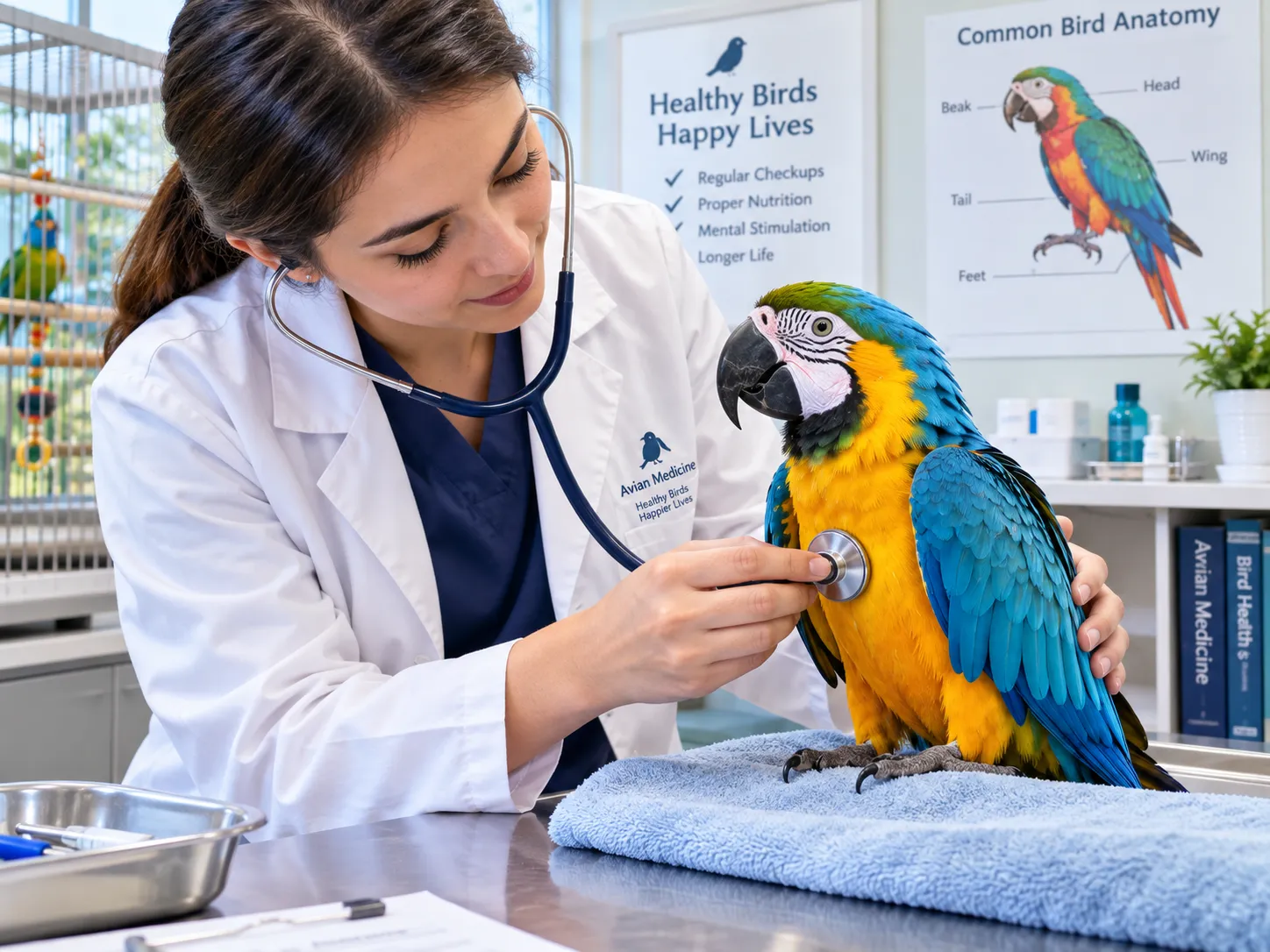
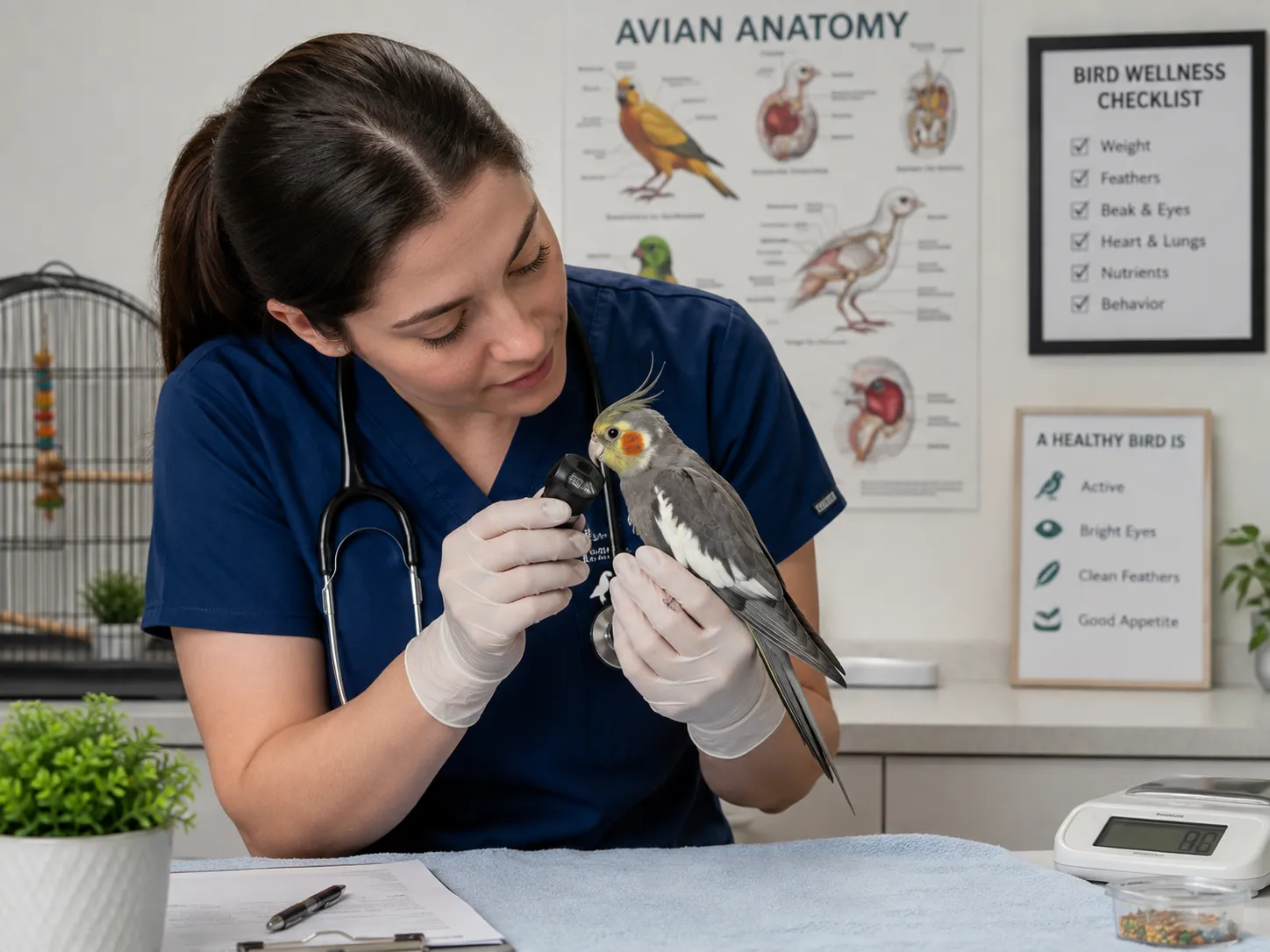
Schedule Routine Avian Vet Checkups Because birds hide illness so effectively, regular wellness exams are often the only realistic way to catch problems before they become emergencies — not just a response to visible symptoms.
Provide Daily Mental and Physical Enrichment Boredom and loneliness are legitimate health risks for intelligent, social species, directly tied to feather plucking and stress-related illness. Rotating toys and daily out-of-cage time genuinely matter.
Eliminate Household Hazards Non-stick cookware fumes, aerosol sprays, scented candles, and certain houseplants can be toxic to birds even in small, seemingly harmless amounts. Birds have extremely sensitive respiratory systems compared to most household pets.
Limit Exposure to Wild Birds and New Pets Keep pet birds and their food/water away from wild birds, rodents, and insects, and quarantine any newly acquired bird before introducing them to existing pets.
Learn What "Normal" Looks Like Knowing your bird's typical droppings, activity level, and vocalization patterns makes it far easier to notice the subtle shifts that often signal illness weeks before anything more obvious shows up.
Frequently Asked Questions
1. How can I tell if my bird is sick if they hide it so well? Watch for subtle changes: fluffed feathers held for extended periods, reduced activity, quieter vocalization, or changes in droppings. These small shifts are often the earliest — and sometimes only — warning signs.
2. What's the number one preventable cause of illness in pet birds? Diet-related disease from all-seed diets is, by far, the most common preventable issue vets encounter. A balanced pelleted diet with fresh vegetables makes a measurable difference.
3. Can bird diseases actually spread to humans? Some can. Psittacosis, for example, is zoonotic and can transmit from birds to people, which is one more reason cage hygiene and prompt vet care matter.
4. How often should a healthy bird see an avian vet? Most avian vets recommend an annual wellness exam for healthy birds, with more frequent visits for older birds or those with existing health conditions.
5. Is feather plucking always a medical issue? Not always — it can be purely behavioral, driven by stress, boredom, or loneliness. But because it can also signal a medical issue like skin infection or parasites, it's worth ruling out a physical cause with a vet rather than assuming it's just behavioral.
Related reading: How to Keep Your Cat Healthy: Complete 2026 Guide, 7 Common Pet Bird Diseases & Symptoms Every Owner Should Know, How to Keep Your Pet Rabbit Healthy: Complete Guide.
Final Thoughts
Keeping a pet bird healthy really comes down to flipping the usual mindset: don't wait for obvious symptoms, build prevention into daily habits instead. A balanced diet, a clean environment, regular enrichment, and a vet relationship established before you need one will do more for your bird's long-term health than almost anything else on this list.
Not sure which food, cleaning products, or enrichment toys are actually worth it? Real bird owners share honest product reviews on PetRaters.com, so you can build a routine that genuinely works.
✅ Shop Now — Browse top-rated pet bird health & wellness essentials
Disclaimer: This article is for informational purposes only and is not a substitute for professional avian veterinary advice. Symptoms and care needs vary significantly by species — always consult an avian vet for anything concerning. Some links may be affiliate links.