How to Keep Your Cat Healthy: Complete 2026 Guide
Focus:
how to keep your cat healthy
How to Keep Your Cat Healthy — A Complete Prevention Guide
Cats are experts at hiding pain and illness — it's an instinct left over from their wild ancestors, who couldn't afford to look vulnerable. That means by the time your cat is obviously "acting sick," the issue has often been building for a while. The best defense isn't catching problems late — it's stacking the odds in your cat's favor early, through consistent preventive care most owners underestimate.
Here's a complete, vet-backed guide to keeping your cat healthy, covering the daily habits, checkups, and products that actually make a measurable difference in a cat's long-term health.
Why Prevention Matters More Than People Think
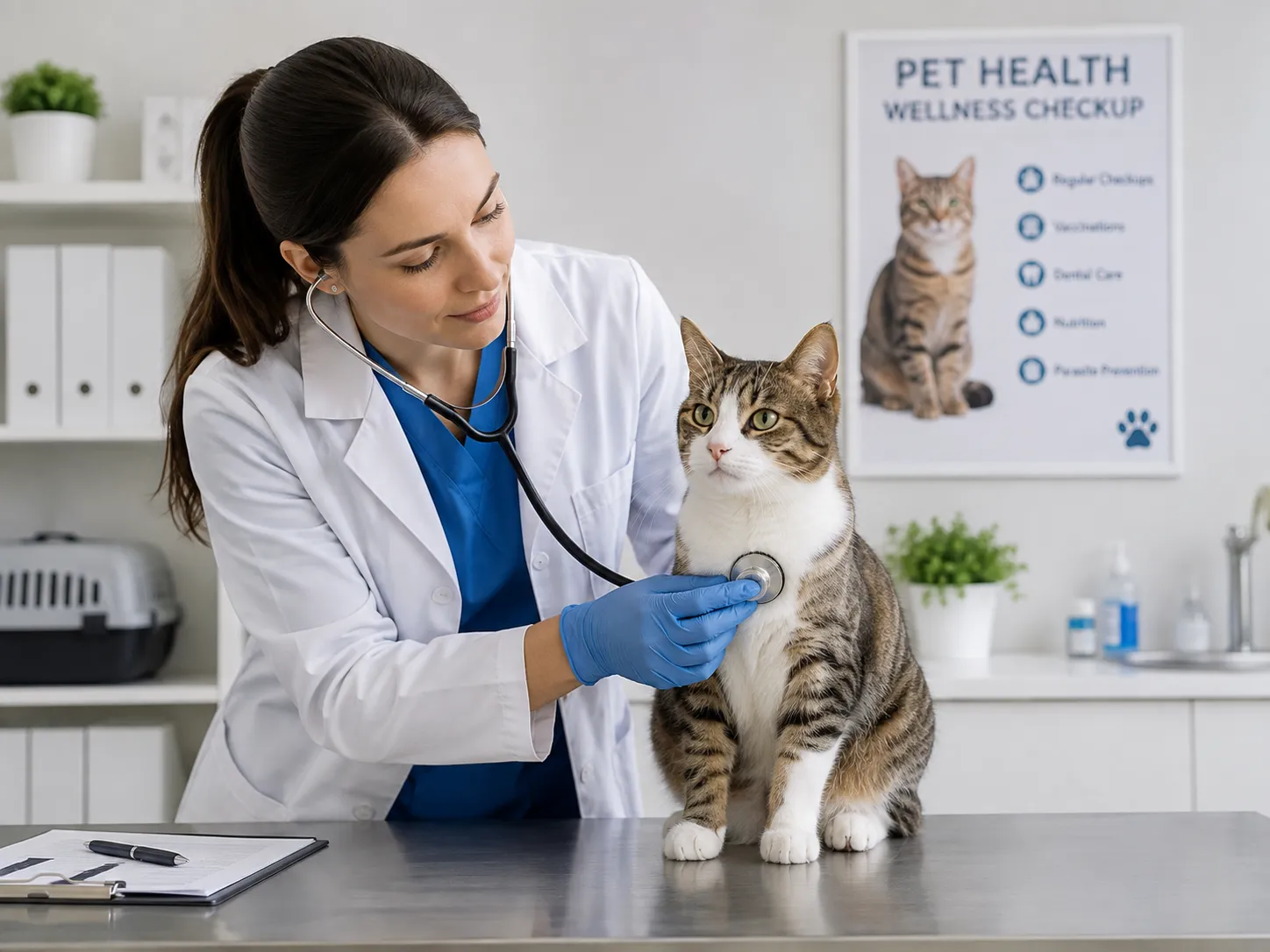
Cats age faster than humans do, and a single missed annual checkup is roughly the equivalent of a person going several years without seeing a doctor. Since cats can't tell you when something feels off, regular veterinary exams are often the only way small issues get caught before they become serious, expensive problems.
Vet tip: A cat who visits the vet once a year for a "quick checkup" is being monitored on a timeline that's actually more like once every 4–5 human years — which is exactly why annual visits matter even when your cat seems perfectly fine.

1. Annual (or Biannual) Vet Checkups
This is the single most important thing you can do. Annual wellness exams for young, healthy cats and twice-yearly visits for senior cats or those with existing conditions allow your vet to track subtle changes in weight, organ function, and behavior over time — changes you'd likely never notice on your own.
2. Stay Current on Vaccinations
Core vaccines protect against serious, sometimes fatal diseases like rabies, feline leukemia virus (FeLV), and feline distemper (panleukopenia). Kittens typically start their vaccine series around 6–8 weeks old, with boosters continuing through about 4 months of age, followed by a maintenance schedule your vet will outline for adulthood.
3. Keep Up With Parasite Prevention
Fleas, ticks, heartworms, and intestinal parasites like roundworms and tapeworms are all preventable with consistent, vet-recommended treatment — even for indoor-only cats, since parasites can hitch a ride inside on clothing, other pets, or through open doors. ✅ Shop Now — Flea & Tick Prevention
4. Feed a Balanced, Age-Appropriate Diet
Nutrition needs shift across a cat's life stages, and feeding an appropriate formula (kitten, adult, or senior) supports healthy weight, coat, and organ function. Research consistently shows leaner cats live longer, healthier lives with fewer chronic conditions. ✅ Shop Now — Vet-Recommended Cat Food
5. Maintain a Healthy Weight
Obesity is one of the most common — and most preventable — health issues in cats, directly increasing the risk of diabetes, joint problems, and heart strain. Portion control paired with regular play is the most sustainable way to manage this over time. ✅ Shop Now — Portion-Control Slow Feeder Bowl
6. Prioritize Dental Care
Most cats show early signs of dental disease by age three, yet it's one of the most overlooked areas of preventive health. Brushing regularly — even with just a damp cloth wrapped around your finger if a toothbrush feels like a stretch at first — helps prevent gum disease and painful tooth decay down the line. ✅ Shop Now — Cat Dental Care Kit
7. Keep Fresh Water Easily Accessible
Cats are notoriously under-hydrated, which contributes to urinary and kidney issues over time. A pet fountain encourages more consistent drinking than a still water bowl for a lot of cats. ✅ Shop Now — Cat Water Fountain
8. Provide Mental and Physical Enrichment
Stress and boredom show up physically in cats — through overgrooming, weight changes, or destructive behavior. Vertical spaces, hiding spots, and rotating interactive toys all support a cat's mental wellbeing, which vets increasingly treat as just as important as physical health. ✅ Shop Now — Cat Tree & Enrichment Toys
9. Consider Spaying or Neutering
Beyond preventing unwanted litters, spaying and neutering can lower the risk of certain cancers and infections, along with reducing some behavioral issues tied to hormones.
10. Watch for Subtle Behavior Changes
Because cats hide illness so well, small shifts are often the earliest warning signs: eating a little less, sleeping in a new spot, using the litter box differently, or seeming slightly less social than usual. None of these alone is necessarily an emergency, but a pattern lasting more than a day or two is worth a vet call.
Pro tip: Keeping a simple mental note (or a notes app log) of your cat's normal eating, drinking, and litter box habits makes it much easier to notice — and describe to your vet — when something actually changes.

FAQ
1. How often should I really take my cat to the vet? Once a year for healthy adult cats, and twice a year for senior cats (generally 10+) or cats managing an ongoing health condition.
2. Can indoor-only cats skip parasite prevention? No. Fleas and other parasites can still make their way indoors through other pets, clothing, or open doors and windows, so prevention is still recommended even for strictly indoor cats.
3. What's the biggest preventable health issue in cats? Obesity and dental disease are two of the most common and most preventable issues vets see, both of which respond well to consistent daily habits.
4. How do I know if my cat is sick if they hide it so well? Watch for subtle changes lasting more than a day or two — appetite, energy, grooming, or litter box habits are usually the first places a problem shows up.
5. Does spaying or neutering really improve long-term health? Yes. Beyond preventing unwanted litters, it's linked to a lower risk of certain cancers and infections, along with some behavioral benefits.
Final Thoughts
Keeping a cat healthy isn't about one big intervention — it's a stack of small, consistent habits: regular vet visits, good nutrition, dental care, hydration, and paying attention to the subtle signals your cat gives you. None of it requires perfection, just consistency.
Not sure which products actually help with day-to-day wellness? Real cat owners share honest product reviews on PetRaters.com, so you can build a routine that actually works for your cat.
✅ Shop Now — Browse top-rated cat health & wellness essentials
Disclaimer: This article is for informational purposes only and is not a substitute for professional veterinary advice. Always consult your vet regarding your cat's specific health needs. Some links may be affiliate links.