New Kitten Supplies Checklist 2026: Complete Guide for First-Time Kitten Owners
Focus:
new kitten supplies checklist
Secondary Focus:
new kitten supplies checklist 2026, kitten supplies checklist, new kitten checklist, first time kitten owner checklist, kitten starter checklist, kitten essentials, kitten supplies for beginners, what do I need for a new kitten, what to buy for a kitten, new kitten essentials, kitten care checklist, kitten shopping list, kitten starter kit, first time cat owner checklist, new cat supplies checklist, kitten care essentials, kitten feeding supplies, kitten litter box supplies, best kitten supplies, kitten toys, kitten food, kitten litter, kitten carrier, kitten scratching post, kitten bed, kitten grooming supplies, kitten cleaning supplies, kitten safety supplies, kitten proofing checklist, supplies needed for a new kitten, essential kitten products, kitten setup checklist, new pet kitten checklist, bringing home a kitten checklist, kitten home setup, kitten room setup, kitten feeding bowls, kitten water fountain, interactive kitten toys, kitten dental care, kitten nail clippers, kitten brush, kitten litter scoop, kitten-safe home, kitten veterinary care, kitten first vet visit, kitten health checklist
Search → Problem → Solution → Purchase
Bringing home a kitten is exciting, but preparing for one involves much more than buying a bag of kitten food and a cute toy.
A new kitten needs a safe place to sleep, a properly sized litter box, appropriate food and water supplies, scratching surfaces, toys, grooming equipment, transportation equipment, and a home that's been prepared for curious little paws.
That's why having a detailed new kitten supplies checklist before your kitten arrives can make the transition much easier.
Kittens are naturally curious, energetic, and surprisingly good at getting into places you didn't expect.
They may climb furniture, chew cords, investigate cabinets, scratch surfaces, knock over water bowls, and squeeze into tiny spaces.
A good kitten setup therefore needs to address three major priorities:
- Safety
- Nutrition and hygiene
- Comfort and enrichment
Whether you're adopting a domestic shorthair, Maine Coon, Ragdoll, Siamese, Bengal, or another kitten, the exact products may vary.
But the basic categories remain remarkably similar.
In this complete new kitten supplies checklist for 2026, we'll cover what to buy before bringing your kitten home, which supplies are essential, what products can wait, how to kitten-proof your home, and the health basics every first-time kitten owner should understand.
What Does a New Kitten Need?
Before shopping, it helps to separate true essentials from products that are simply nice to have.
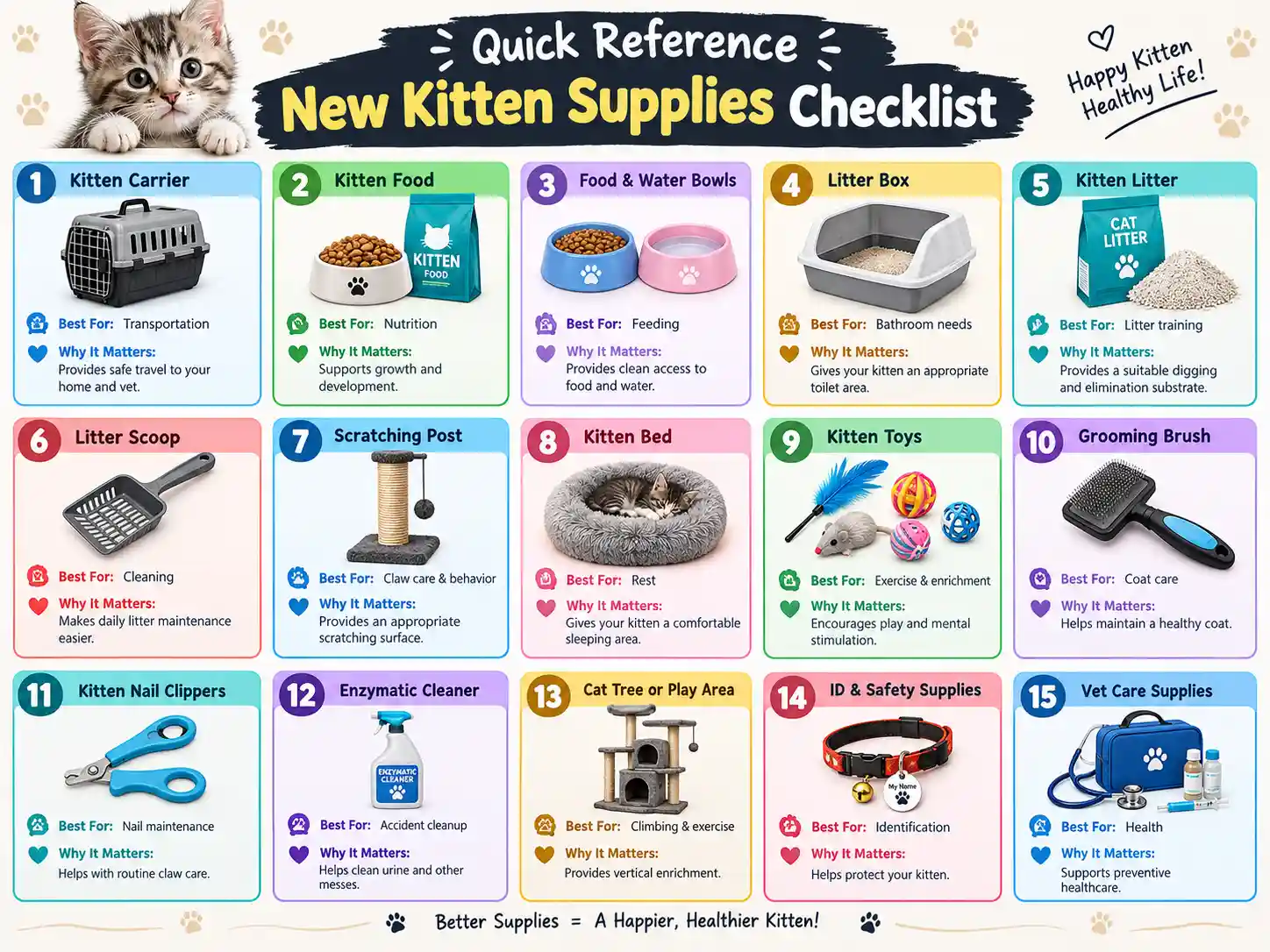
A basic kitten starter setup should include:
- Kitten carrier
- Appropriate litter box
- Kitten litter
- Litter scoop
- Kitten food
- Food and water bowls
- Scratching post or scratching pad
- Comfortable bed or sleeping area
- Interactive and safe kitten toys
- Grooming supplies
- Nail clippers
- Cleaning supplies
- Identification and safety supplies
- Basic kitten-proofing
- Veterinary care plan
You don't need to buy every kitten product available.
The goal is to have the important supplies ready before your kitten arrives and then add products based on your kitten's personality and needs.
Before Your Kitten Arrives: Home Setup Essentials
One of the best things a first-time kitten owner can do is prepare the home before the kitten walks through the door.
Your kitten shouldn't arrive while you're still trying to figure out where the litter box goes or searching for food bowls.
Ideally, have the basic setup ready in advance.
1. Get a Secure Kitten Carrier
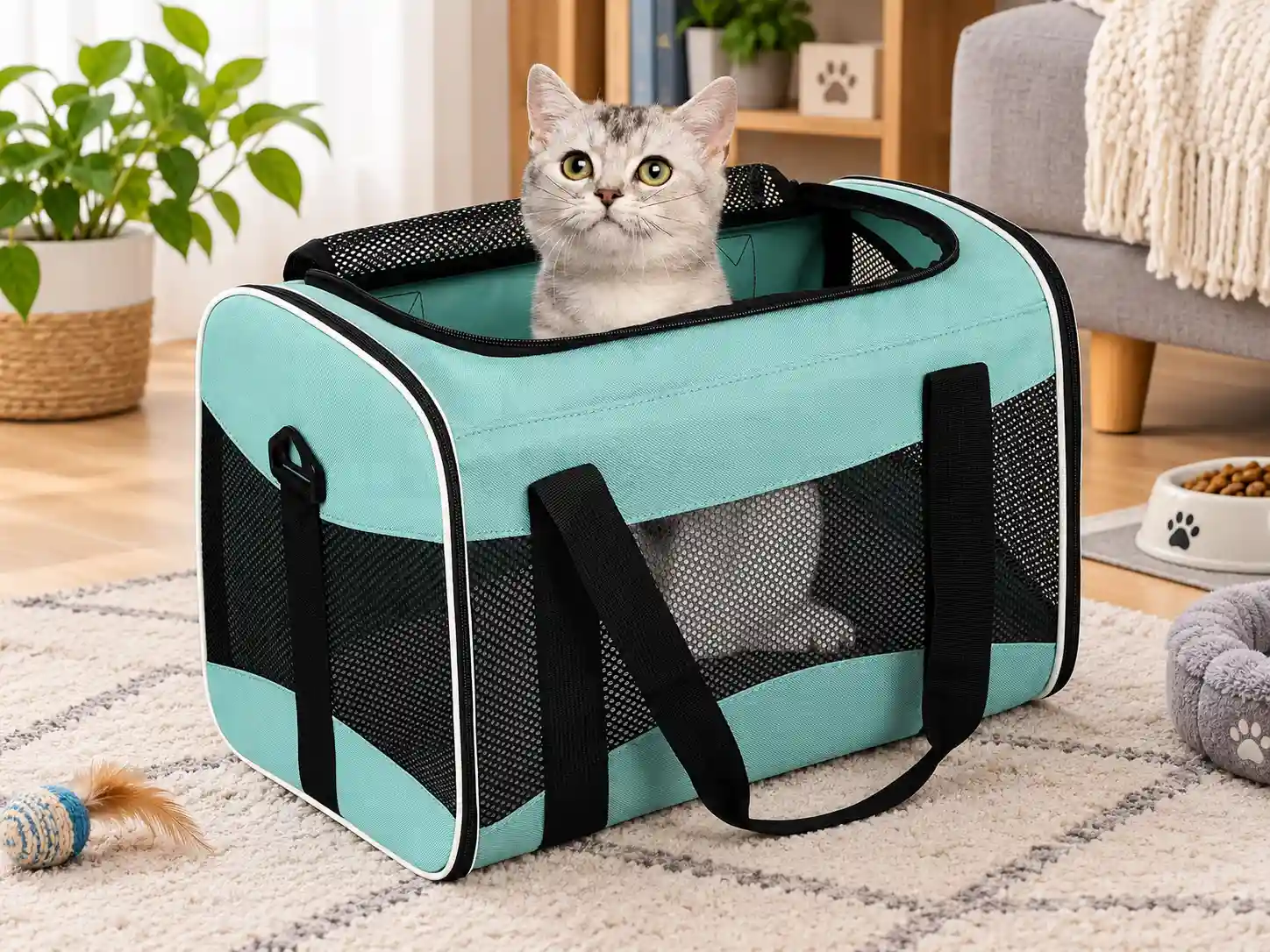
A kitten carrier is one of the first supplies you should purchase.
You'll need it to bring your kitten home and later for veterinary appointments.
A good carrier should be:
- Secure
- Well ventilated
- Easy to clean
- Appropriately sized
- Easy to carry
- Strong enough for your growing kitten
A carrier that's too small can become uncomfortable as your kitten grows, while an excessively large carrier may not provide the secure feeling some cats prefer.
A hard-sided carrier can also be easier to clean after accidents.
Don't transport a kitten loose in the car.
A secure carrier is the safer option for travel.
2. Choose the Right Kitten Food
Nutrition is one of the most important parts of kitten care.
Kittens are growing rapidly, so they have different nutritional requirements from adult cats.
Look for a complete and balanced kitten food appropriate for your kitten's life stage.
Depending on your veterinarian's recommendations and your kitten's preferences, this may include:
- Wet kitten food
- Dry kitten food
- A combination of wet and dry food
When bringing home a kitten, it's often useful to find out what food the kitten was already eating.
Making an abrupt diet change immediately after adoption can sometimes contribute to digestive upset.
Instead, ask the shelter, rescue, breeder, or previous caregiver what your kitten has been eating.
Then discuss any planned diet change with your veterinarian.

3. Buy Separate Food & Water Bowls
Your kitten needs reliable access to fresh food and clean water.
Choose bowls that are:
- Easy to clean
- Stable
- Appropriately sized
- Made from suitable materials
- Difficult for your kitten to tip over
Stainless steel and ceramic bowls are popular options.
Wash food and water bowls regularly.
If your kitten constantly tips over the water bowl, a heavier or more stable design may help.
Some owners also prefer a cat water fountain because moving water can encourage some cats to drink more.
✅ Shop Now — Kitten Food & Water Bowls

4. Set Up a Proper Kitten Litter Box
A litter box is one of the most important items on your new kitten supplies checklist.
For a young kitten, choose a litter box that is easy to enter.
Avoid extremely high-sided boxes that make it difficult for a small kitten to get inside.
As your kitten grows, you can transition to a larger box.
The location matters too.
Place the litter box somewhere:
- Quiet
- Accessible
- Easy to find
- Away from food and water
- Away from loud appliances
- Easy for you to clean
A kitten shouldn't have to cross the entire house to reach the litter box.
5. Choose Kitten-Friendly Litter
There are many different types of cat litter, including:
- Clumping clay
- Non-clumping litter
- Paper litter
- Pine litter
- Silica-based litter
- Other alternative litters
Kittens may have strong preferences, and some cats dislike sudden changes in litter texture or scent.
If possible, start with the litter your kitten is already accustomed to.
Avoid heavily scented products if your kitten seems sensitive to them.
Your veterinarian can also help you decide what type of litter is appropriate for your kitten's age and circumstances.

6. Keep a Litter Scoop Ready
A litter box isn't complete without a scoop.
Daily litter maintenance becomes much easier with the right scoop.
Look for one that's:
- Durable
- Comfortable to hold
- Appropriate for your litter type
- Easy to clean
Keeping the scoop beside the litter box makes it easier to establish a consistent cleaning routine.

7. Add a Scratching Post or Scratching Pad
Scratching isn't bad behavior.
It's a normal feline behavior that can help cats stretch, exercise, maintain their claws, and interact with their environment.
The problem occurs when your kitten decides that the sofa is the best scratching surface in the house.
Provide an appropriate scratching option from day one.
Good options include:
- Vertical scratching posts
- Horizontal scratching pads
- Cardboard scratchers
- Sisal scratching posts
- Cat trees with scratching surfaces
Place the scratching post near areas your kitten naturally spends time.
You can also put one near furniture that you want your kitten to leave alone.
✅ Shop Now — Kitten Scratching Post

8. Provide a Comfortable Kitten Bed
Kittens sleep a lot.
Your kitten doesn't necessarily need an expensive designer bed, but providing a comfortable sleeping area gives them a predictable place to rest.
A good kitten bed should be:
- Comfortable
- Washable
- Easy to access
- Located away from heavy traffic
- Free from loose or dangerous components
Don't worry if your kitten eventually chooses a cardboard box or another unexpected sleeping location.
Cats often make their own decisions about where they feel most comfortable.

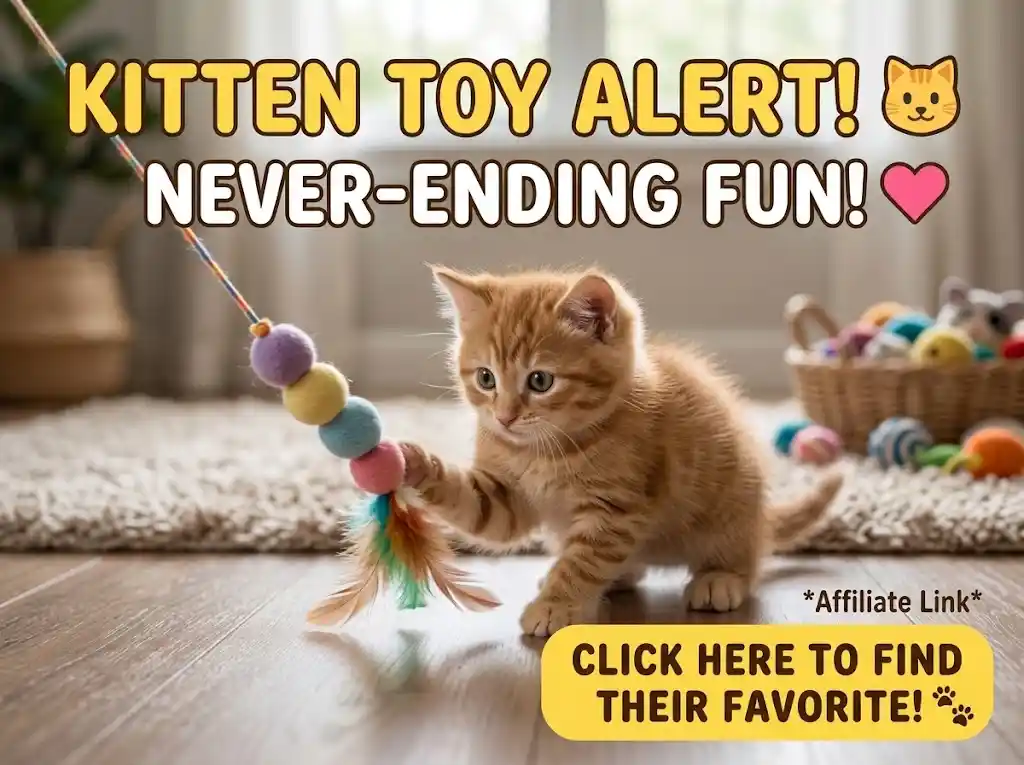
9. Stock Up on Safe Kitten Toys
Play is an essential part of kitten development.
Toys encourage:
- Exercise
- Coordination
- Exploration
- Mental stimulation
- Natural hunting behaviors
A good kitten toy collection can include:
- Wand toys
- Balls
- Small catnip-free toys where appropriate
- Crinkle toys
- Interactive toys
- Puzzle feeders
- Kicker toys
Always supervise toys that contain strings, cords, feathers, or small detachable components.
Never leave a kitten unattended with a toy that could become a swallowing or strangulation hazard.
✅ Shop Now — Interactive Kitten Toys
10. Get a Kitten Grooming Brush
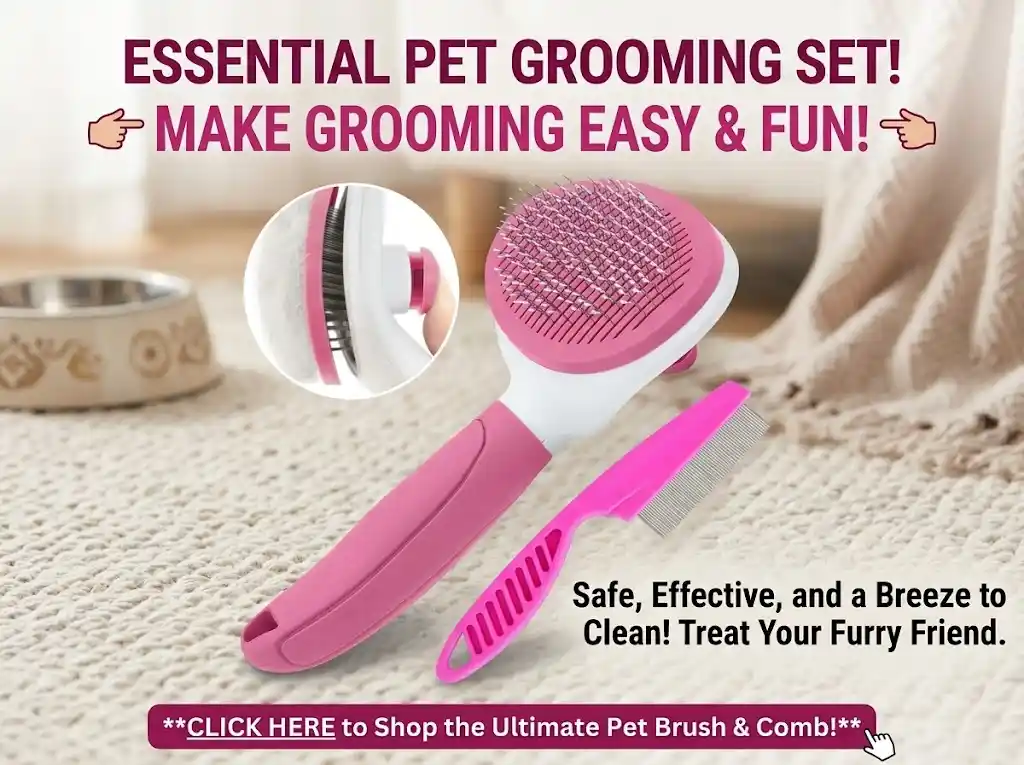
Even short-haired kittens can benefit from gentle grooming.
Brushing can help:
- Remove loose hair
- Keep the coat clean
- Reduce shedding
- Help kittens become accustomed to handling
Long-haired breeds generally require more grooming attention.
Start slowly and keep grooming sessions positive.
Don't force your kitten through a long grooming session if they're frightened or overwhelmed.
✅ Shop Now — Kitten Grooming Brush
11. Prepare Kitten Nail Clippers
Kittens have sharp little claws.
Routine nail maintenance may become part of normal care as your kitten grows.
However, new owners should learn the correct technique before attempting to trim nails.
The sensitive inner part of the claw contains blood vessels and nerves, so cutting too far can cause pain and bleeding.
If you're uncomfortable doing it yourself, ask your veterinarian or a qualified groomer to demonstrate the correct method.
✅ Shop Now — Cat Nail Clippers

12. Buy Enzymatic Cleaning Supplies
Accidents can happen, particularly during the early stages of litter training.
Regular household cleaners may remove the visible mess without completely addressing the odor.
An enzymatic pet cleaner can be useful for cleaning urine and other organic messes according to the product's instructions.
Keep cleaning supplies ready before your kitten arrives.
You'll be glad you have them when an accident happens at 2 a.m.
✅ Shop Now — Enzymatic Pet Cleaner

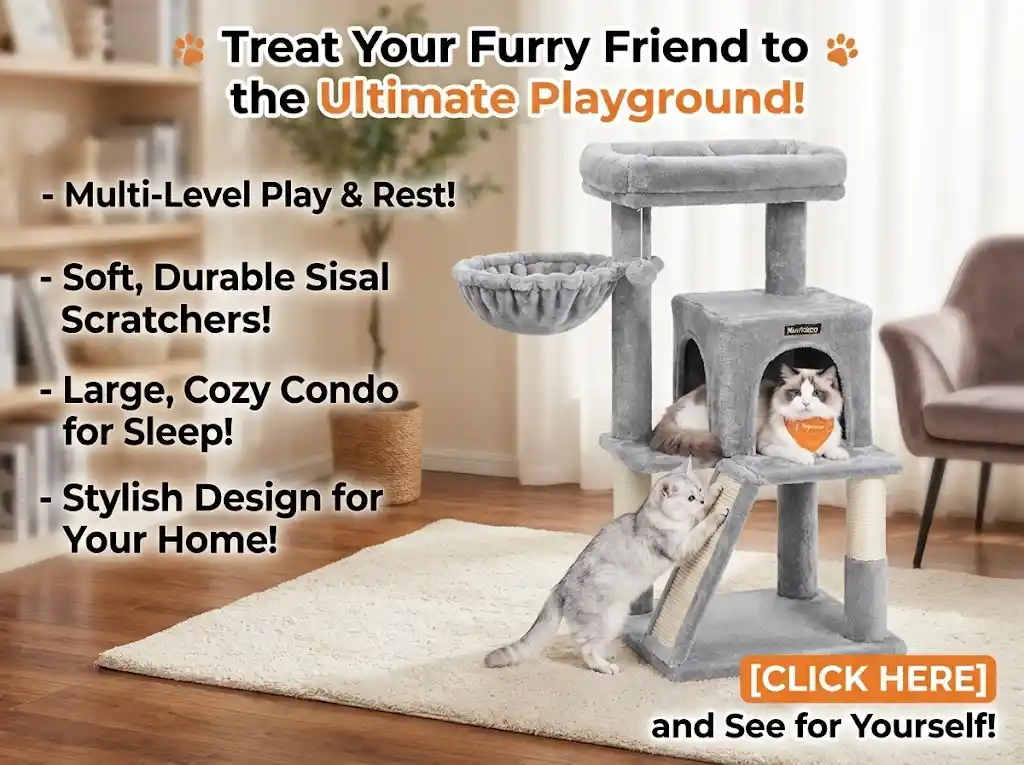
13. Consider a Cat Tree or Kitten Play Area
Kittens love climbing, jumping, exploring, and observing their surroundings.
A cat tree or climbing structure can provide valuable vertical enrichment.
A good kitten play area can include:
- Platforms
- Scratching surfaces
- Perches
- Hideaways
- Toys
- Climbing opportunities
Make sure the structure is stable and cannot easily tip over.
You don't need to purchase the largest cat tree immediately.
Start with a safe structure appropriate for your kitten's size and activity level.
14. Prepare Identification & Safety Supplies
Even indoor kittens can accidentally escape.
Consider appropriate identification and safety measures, such as:
- Microchipping
- Identification information
- Secure doors and windows
- Appropriate collar use where suitable
- Updated owner contact information
If you use a collar, choose an appropriately fitted breakaway design intended for cats.
Ask your veterinarian about microchipping and other identification options.
15. Have a Veterinary Care Plan Ready
One of the most important items on any new kitten checklist isn't a physical product.
It's a relationship with a veterinarian.
Your kitten will need appropriate preventive care, which may include:
- Initial health examination
- Vaccinations
- Parasite screening and treatment
- Nutrition guidance
- Spay/neuter planning
- Microchipping
- Dental health guidance
- Ongoing wellness examinations
Schedule your kitten's first veterinary appointment according to your veterinarian's recommendation.
Don't wait until your kitten is sick before finding a clinic.
New Kitten Feeding Checklist
Feeding a kitten isn't simply about leaving food in a bowl.
Establish a consistent routine.
Your kitten's feeding plan should consider:
- Age
- Weight
- Breed or size
- Activity level
- Health
- Type of food
- Feeding frequency
Young kittens generally need more frequent meals than adult cats.
Follow the feeding instructions for your kitten's specific food and adjust portions with veterinary guidance.
Always provide access to clean drinking water.
If your kitten suddenly stops eating, becomes unusually lethargic, or develops other concerning symptoms, contact your veterinarian promptly.
New Kitten Litter Training Checklist
Most kittens can learn to use a litter box, but the environment should make success easy.
Make the Litter Box Accessible
A young kitten shouldn't have to travel through multiple rooms to find it.
Keep It Clean
Cats can be sensitive to dirty litter boxes.
Scoop regularly and maintain the box according to your chosen litter's instructions.
Use Multiple Boxes When Appropriate
For larger homes or multi-cat households, multiple litter boxes can make access easier.
A common guideline is one box per cat plus one additional box, although individual households may need to adjust this based on space and cat behavior.
Watch for Changes
If a previously litter-trained kitten suddenly stops using the litter box, don't assume it's simply bad behavior.
Medical problems, stress, litter preferences, and environmental changes can all contribute.
A veterinarian can help determine the cause.
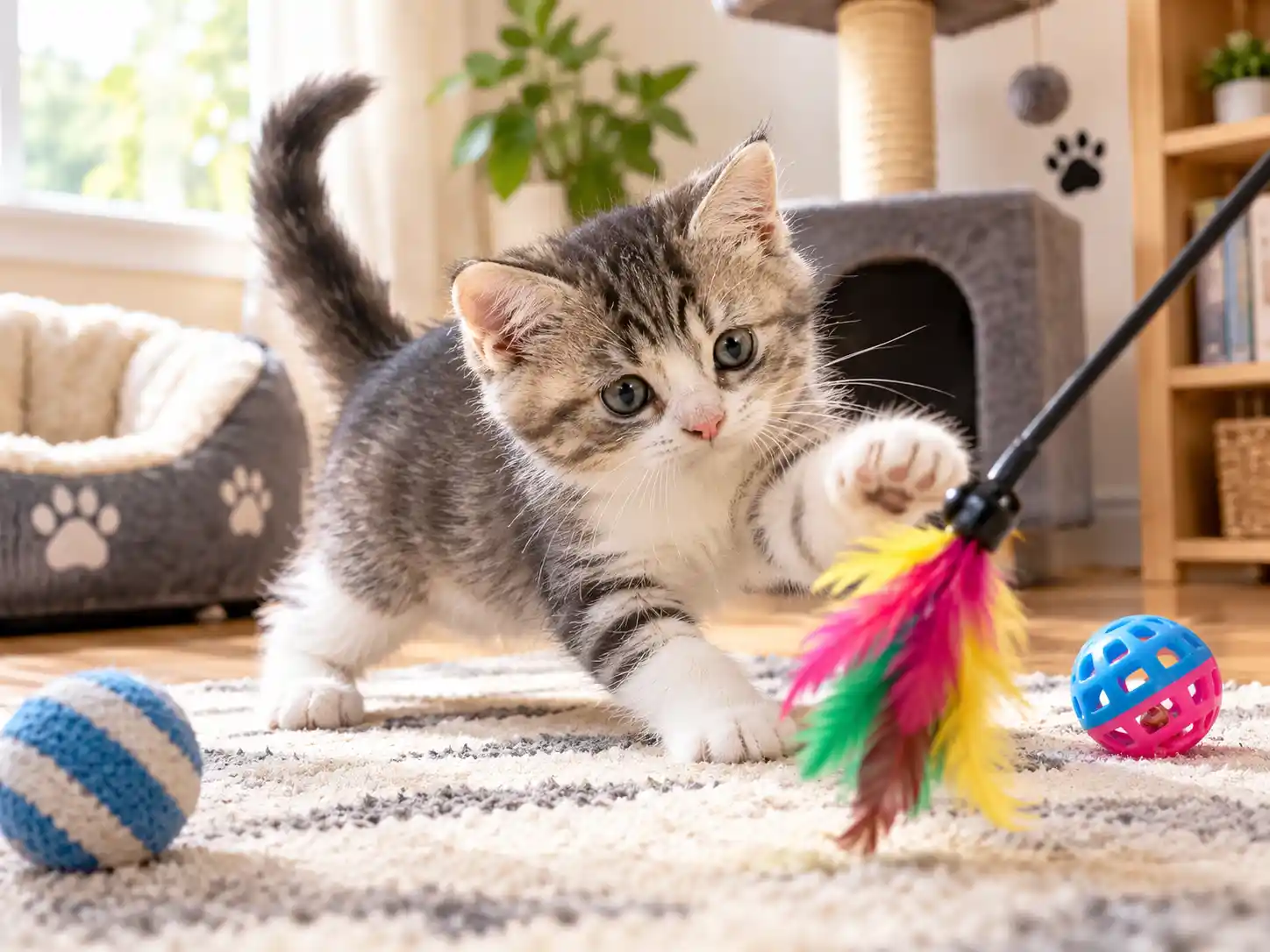
Kitten-Proofing Checklist
Kittens explore the world with their mouths, paws, and claws.
Before allowing your kitten to roam freely, inspect the home carefully.
Secure Electrical Cords
Kittens may chew wires.
Use appropriate cord management and keep dangerous cables inaccessible.
Remove Small Objects
Small objects can become choking or swallowing hazards.
Keep:
- Rubber bands
- Hair ties
- Small toys
- Coins
- Thread
- Jewelry
- Small plastic pieces
out of reach.
Secure Windows
Make sure windows and screens are secure.
An open or poorly secured window can become an escape or fall hazard.
Check Houseplants
Some plants can be toxic to cats.
Before bringing a kitten home, identify the plants in your home and determine whether they are safe for cats.
Secure Cabinets
Curious kittens can crawl into cabinets containing:
- Cleaning products
- Medications
- Chemicals
- Insecticides
Use appropriate childproofing or keep dangerous products inaccessible.
Keep Human Food Out of Reach
Some foods that are safe for humans can be dangerous for cats.
Don't allow your kitten to freely investigate kitchen counters or food storage areas.
New Kitten Sleeping Setup
Kittens need plenty of sleep.
Give your kitten a quiet place where they can retreat when they want to rest.
A good sleeping area can be:
- A washable cat bed
- A soft blanket
- A covered cat hideaway
- A quiet corner
- A secure kitten room
You may notice that your kitten chooses a completely different sleeping location.
That's normal.
The goal is to provide safe options rather than forcing one specific sleeping location.
First-Time Kitten Owner Mistakes to Avoid
Even experienced pet owners can make mistakes with a new kitten.
Buying Only the Cheapest Supplies
The cheapest product isn't always the best value.
Prioritize safety, durability, ease of cleaning, and suitability for your kitten.
Changing Food Immediately
Ask what your kitten was previously eating and transition diets gradually when appropriate.
Buying Only One Litter Box
Accessibility matters, especially in larger homes.
Ignoring Scratching Behavior
Don't wait until your kitten destroys furniture.
Provide scratching surfaces from the beginning.
Giving Too Many Unsupervised Toys
Strings, ribbons, feathers, and small detachable components can present risks.
Use appropriate supervision.
Skipping the First Veterinary Visit
A new kitten should have an appropriate health-care plan.
Allowing Unsupervised Access to the Entire House
A smaller, kitten-proofed area can make the first few days less overwhelming and safer.
Ignoring Behavioral Changes
Sudden changes in appetite, litter box use, energy, or behavior can sometimes indicate a health or environmental problem.
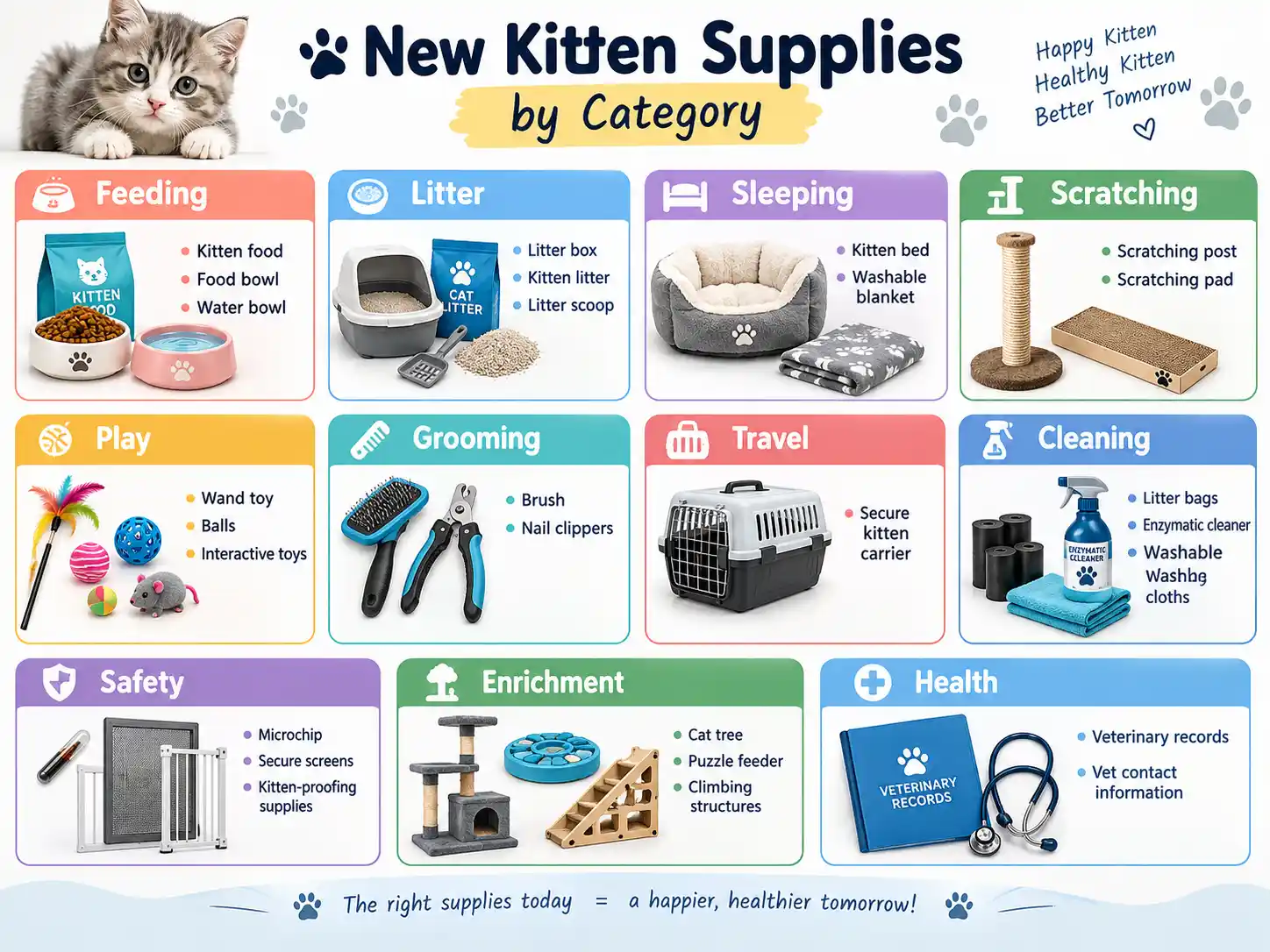
What Should You Buy Before Bringing a Kitten Home?
If you're trying to keep your initial shopping list simple, prioritize these products.
Essential Before Arrival
- Kitten carrier
- Kitten food
- Food bowl
- Water bowl
- Litter box
- Kitten litter
- Litter scoop
- Scratching post
- Comfortable sleeping area
- A few safe toys
- Cleaning supplies
Useful Additions
- Grooming brush
- Nail clippers
- Cat tree
- Water fountain
- Additional litter box
- Interactive toys
- Identification supplies
- Travel accessories
You can add more products as you learn your kitten's individual preferences.
How Much Does a New Kitten Setup Cost?
The cost of preparing for a kitten can vary significantly.
Your initial budget may depend on:
- Quality of the carrier
- Type of litter box
- Food brand
- Number of litter boxes
- Cat tree size
- Number of toys
- Grooming supplies
- Veterinary expenses
- Microchipping
- Vaccinations
- Spay/neuter costs
- Emergency care
The smartest approach is to separate your budget into three categories:
Essential Supplies
Items your kitten needs immediately.
Comfort & Enrichment
Products that improve your kitten's environment.
Long-Term Care
Veterinary care, food, litter, replacement toys, grooming, and other recurring expenses.
Remember that the purchase price of the kitten is only one part of the total cost of responsible pet ownership.
FAQ
1. What do I need for a new kitten?
At minimum, you'll want a secure carrier, appropriate kitten food, food and water bowls, litter box, kitten litter, litter scoop, scratching surface, sleeping area, toys, and basic cleaning supplies. You should also have a veterinary care plan.
2. What should I buy before bringing a kitten home?
Prepare the essential supplies before arrival: carrier, food, bowls, litter box, litter, scoop, scratching post, bed or safe sleeping area, toys, and cleaning supplies.
3. How many litter boxes does a kitten need?
The ideal number depends on your home and other cats. A commonly used guideline is one litter box per cat plus one additional box. Accessibility and cleanliness are also important.
4. What type of food should I give my kitten?
Choose a complete and balanced food formulated for kittens and follow appropriate feeding guidance. If your kitten is already eating a specific food, ask the shelter, breeder, or previous caregiver about it before changing the diet.
5. Does a kitten need a scratching post?
Yes. Scratching is a normal feline behavior. Providing an appropriate scratching post or pad can help your kitten express this behavior in a suitable location.
6. What toys are best for kittens?
Interactive toys, wand toys, balls, puzzle feeders, and other age-appropriate toys can encourage exercise and mental stimulation. Toys with strings or small detachable pieces should be used with appropriate supervision.
7. Does my kitten need a cat bed?
A dedicated bed isn't absolutely necessary if your kitten has another safe sleeping area, but a comfortable washable bed gives them a predictable place to rest.
8. Do kittens need grooming?
Grooming needs vary by coat type. Regular brushing can help remove loose hair and get kittens accustomed to being handled. Long-haired kittens typically require more grooming.
9. When should a new kitten see a veterinarian?
Schedule an initial veterinary examination according to your veterinarian's recommendation. Your first visit can help establish a health baseline and create a plan for vaccinations, parasite control, nutrition, identification, and other preventive care.
10. How do I kitten-proof my house?
Secure windows, hide electrical cords, remove small objects, secure cleaning products and medications, inspect houseplants, block dangerous gaps, and prevent access to unsafe areas.
11. Should I let my new kitten explore the entire house?
Not necessarily on the first day. A smaller, safe, kitten-proofed area can help your kitten adjust gradually before expanding access to the rest of the home.
12. What are the most important kitten supplies?
The most important supplies are safe transportation, appropriate food and water, litter box supplies, scratching surfaces, a safe sleeping area, enrichment toys, cleaning supplies, and access to veterinary care.
13. Do I need a water fountain for my kitten?
A water fountain isn't mandatory, but some cats prefer moving water. A traditional clean water bowl is also appropriate. The most important thing is that your kitten has reliable access to fresh water.
14. What should I do if my kitten isn't using the litter box?
Check the litter box location, cleanliness, accessibility, and litter type. If the behavior is sudden or persistent, contact your veterinarian because medical problems can sometimes cause changes in litter box behavior.
Final Thoughts
Preparing for a new kitten doesn't have to be complicated.
The most important thing is to have the fundamentals ready before your kitten arrives.
A complete new kitten supplies checklist should cover:
- Safe transportation
- Appropriate kitten food
- Clean food and water bowls
- An accessible litter box
- Suitable kitten litter
- Scratching surfaces
- A comfortable sleeping area
- Safe and interactive toys
- Grooming supplies
- Cleaning products
- Identification and safety measures
- Kitten-proofing
- Veterinary care
You don't need to purchase every expensive kitten product on the market.
Start with the essentials, create a safe environment, observe your kitten's preferences, and add products as your needs become clearer.
The first few weeks are about helping your kitten feel secure while establishing healthy routines for feeding, litter use, grooming, play, and veterinary care.
A little preparation before your kitten arrives can prevent a lot of stress later.
✅ Shop Now — Browse Complete New Kitten Essentials
Disclaimer: This article is for informational purposes only and is not a substitute for professional veterinary advice. Kitten care requirements can vary based on age, breed, health, diet, and individual circumstances. Always consult a qualified veterinarian for personalized recommendations regarding nutrition, vaccinations, parasite prevention, behavior, and medical care. Some links may be affiliate links.