New Bird Owner Checklist: Complete Bird Care & Setup Guide for Beginners in 2026
Focus:
new bird owner checklist
Secondary Focus:
new bird owner checklist 2026, first time bird owner checklist, first time bird owner, new bird owner guide, bird owner checklist, pet bird checklist, pet bird care checklist, beginner bird care, bird care for beginners, new pet bird checklist, bird cage setup, bird cage essentials, bird cage accessories, bird supplies for beginners, bird supplies checklist, what to buy for a pet bird, what does a new bird owner need, bird care essentials, pet bird essentials, beginner bird supplies, bird setup checklist, bird habitat setup, bird cage setup for beginners, bird food for beginners, bird pellets, bird enrichment toys, bird foraging toys, bird perches, natural bird perches, bird cage lighting, bird bathing, bird play stand, bird travel carrier, bird grooming supplies, bird cage cleaning supplies, avian vet, bird health checklist, signs of illness in birds, bird household hazards, budgie care checklist, cockatiel care checklist, conure care checklist, lovebird care checklist, parrot care checklist, first bird supplies, best bird cage for beginners, essential bird products, pet bird starter kit
What Does a New Bird Owner Need?
Before buying products, it helps to understand what your bird actually needs.
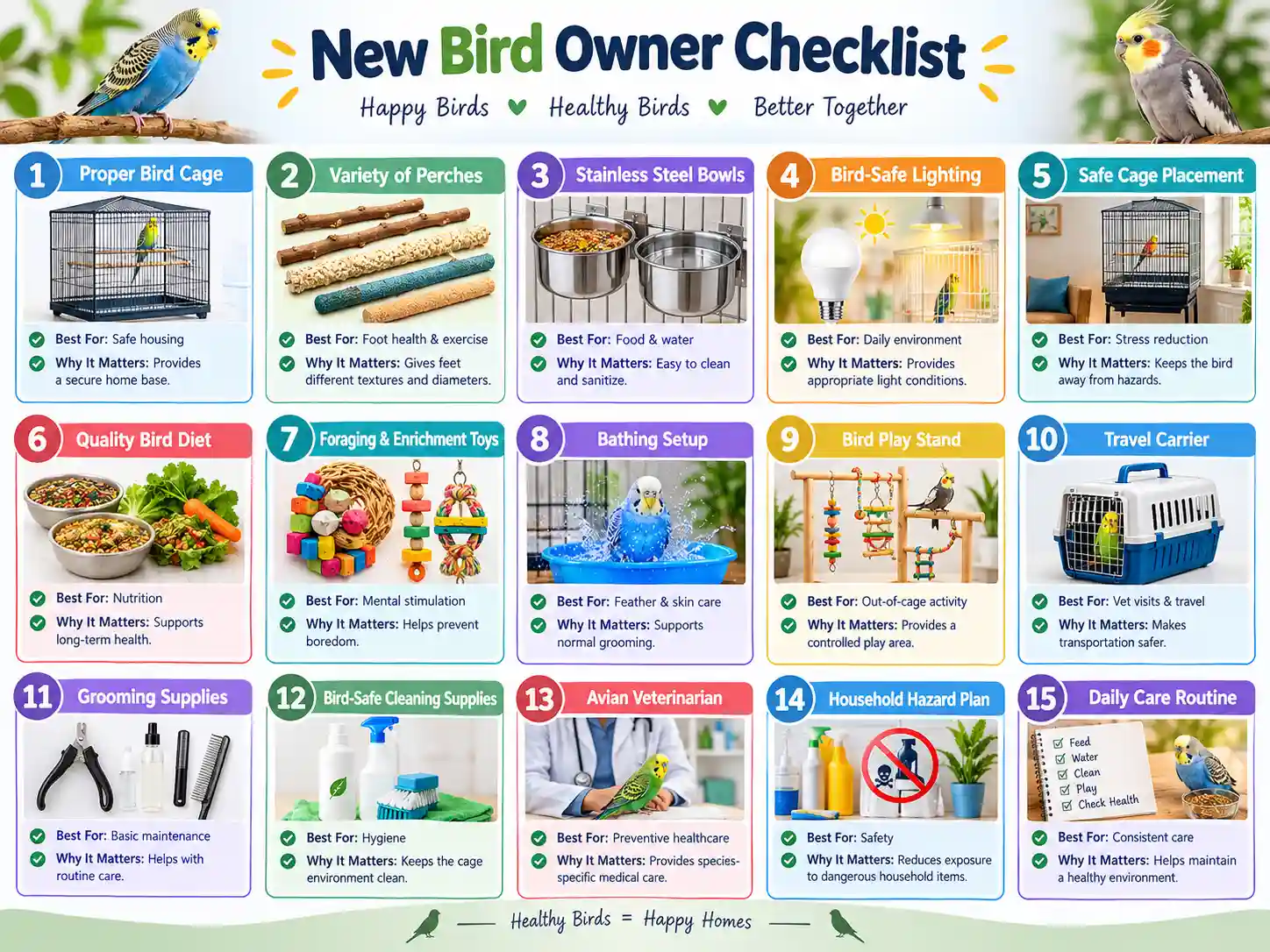
A basic pet bird starter setup generally includes:
- An appropriately sized bird cage
- Multiple safe perches
- Stainless steel food and water bowls
- Appropriate cage lighting
- A safe cage location
- A nutritious diet
- Foraging and enrichment toys
- A bathing setup
- A safe play stand
- A secure travel carrier
- Basic grooming supplies
- Bird-safe cleaning supplies
- An avian veterinarian
- A plan for household safety
- A daily care routine
The exact requirements vary depending on the bird species, size, age, health, and personality.
However, these categories provide a strong starting point for most first-time bird owners.
Before Your Bird Arrives: Complete Cage Setup Checklist
One of the biggest mistakes a new bird owner can make is bringing the bird home before the cage and environment are ready.
Ideally, your bird's cage should be completely assembled, cleaned, positioned, and equipped before your new pet arrives.
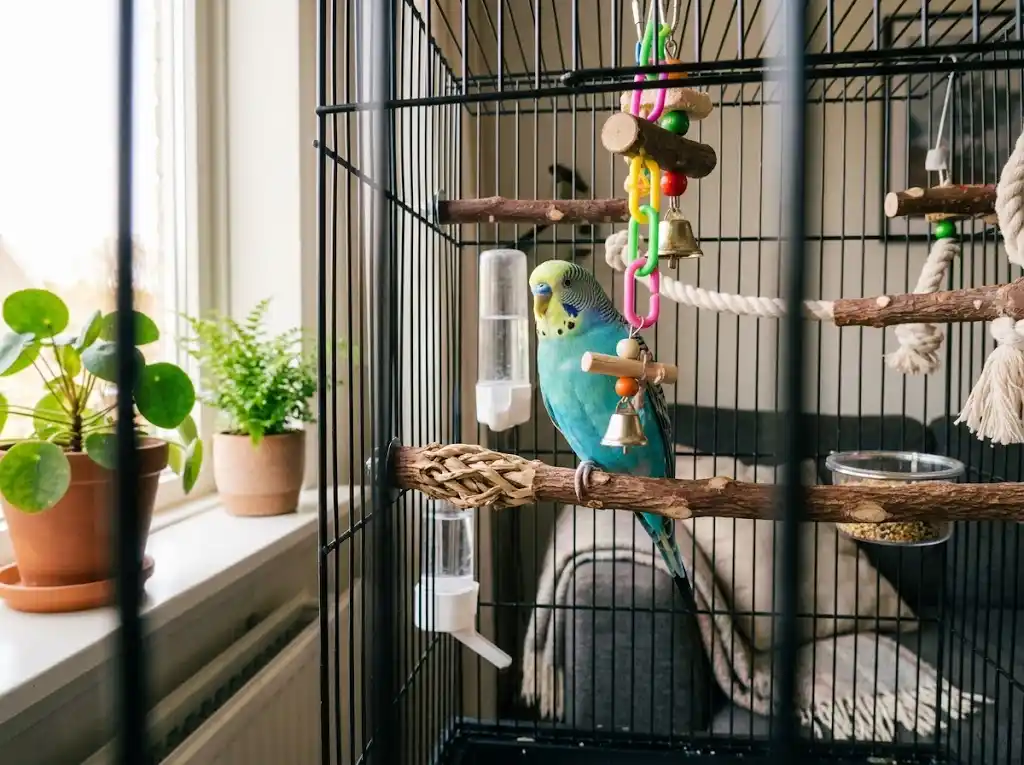
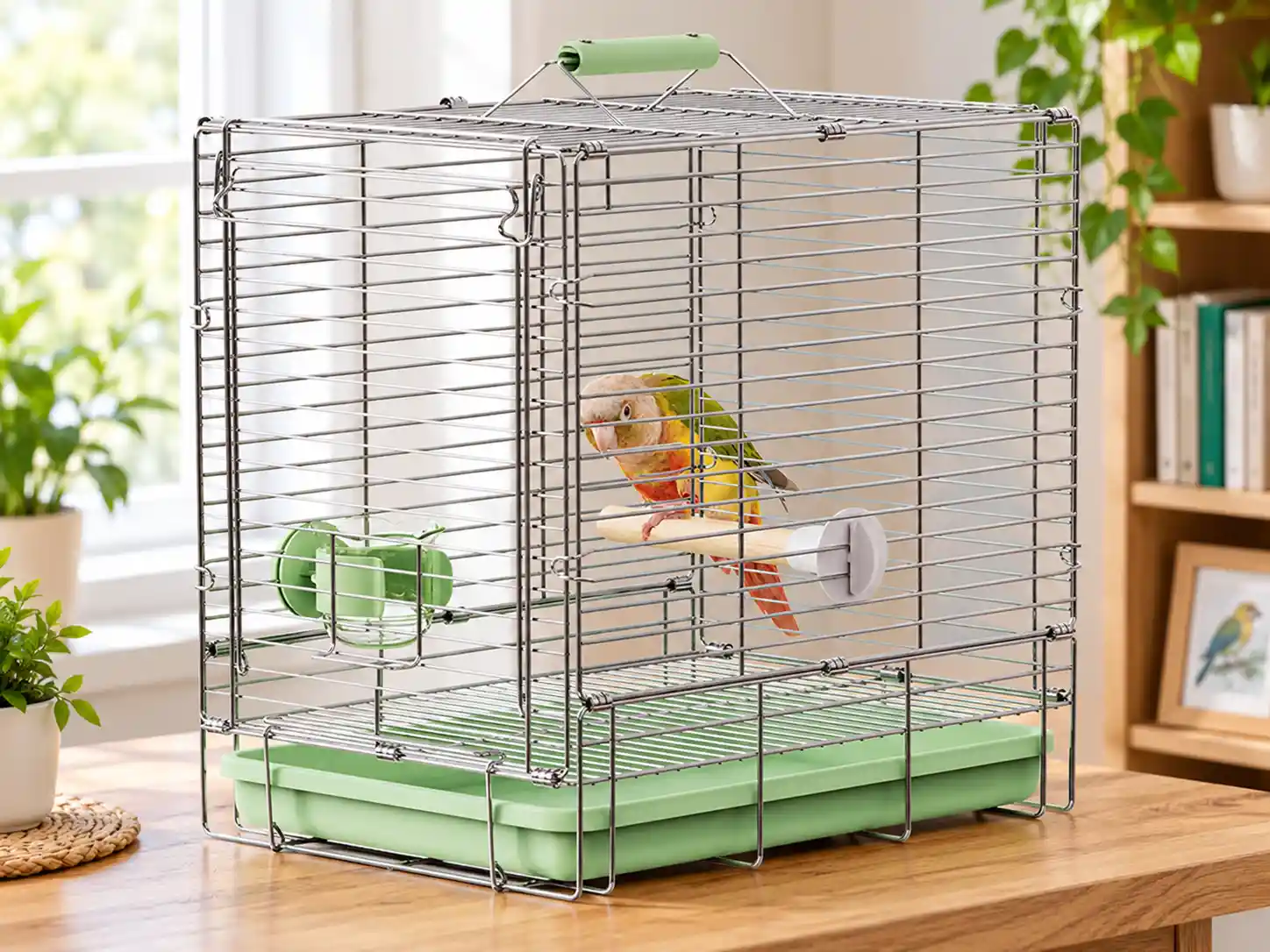
1. Choose the Right Bird Cage
The bird cage is one of the most important purchases you will make.
For most pet birds, bigger is generally better, provided the cage has safe bar spacing and is appropriate for the species.
Your bird may spend a significant amount of time inside the cage, so it should provide enough room for normal movement, wing stretching, climbing, and activity.
When choosing a cage, consider:
- Bird species
- Adult body size
- Bar spacing
- Cage dimensions
- Door design
- Construction quality
- Ease of cleaning
- Placement of food and water bowls
- Room for toys and perches
- Access for routine maintenance
Don't choose a cage based only on appearance.
A beautiful cage that is too small or has inappropriate bar spacing is not a good choice.
2. Add a Variety of Safe Bird Perches
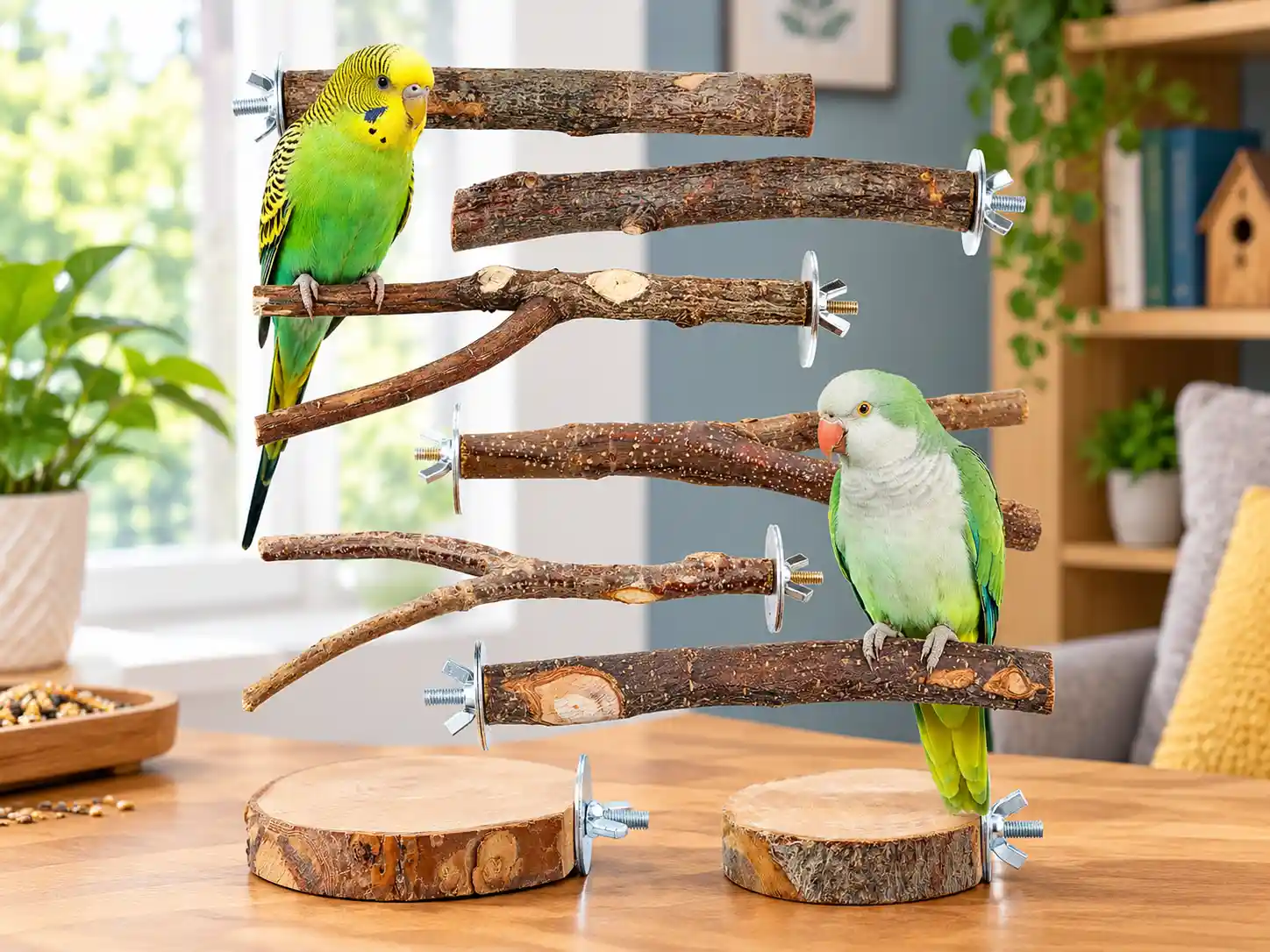
Perches are much more important than many first-time bird owners realize.
A cage filled with identical smooth dowel perches does not provide much variation for your bird's feet.
Instead, consider using a mixture of safe materials, textures, and diameters.
Common options include:
- Natural wood perches
- Rope perches
- Different diameter perches
- Platform-style perches
- Species-appropriate climbing structures
Avoid making every perch exactly the same.
A variety of perches can encourage natural movement and give your bird different surfaces to stand and climb on.
However, always inspect perches regularly for damage, contamination, loose fibers, or other hazards.
✅ Shop Now — Natural Wood & Rope Perch Set
3. Use Stainless Steel Food & Water Bowls
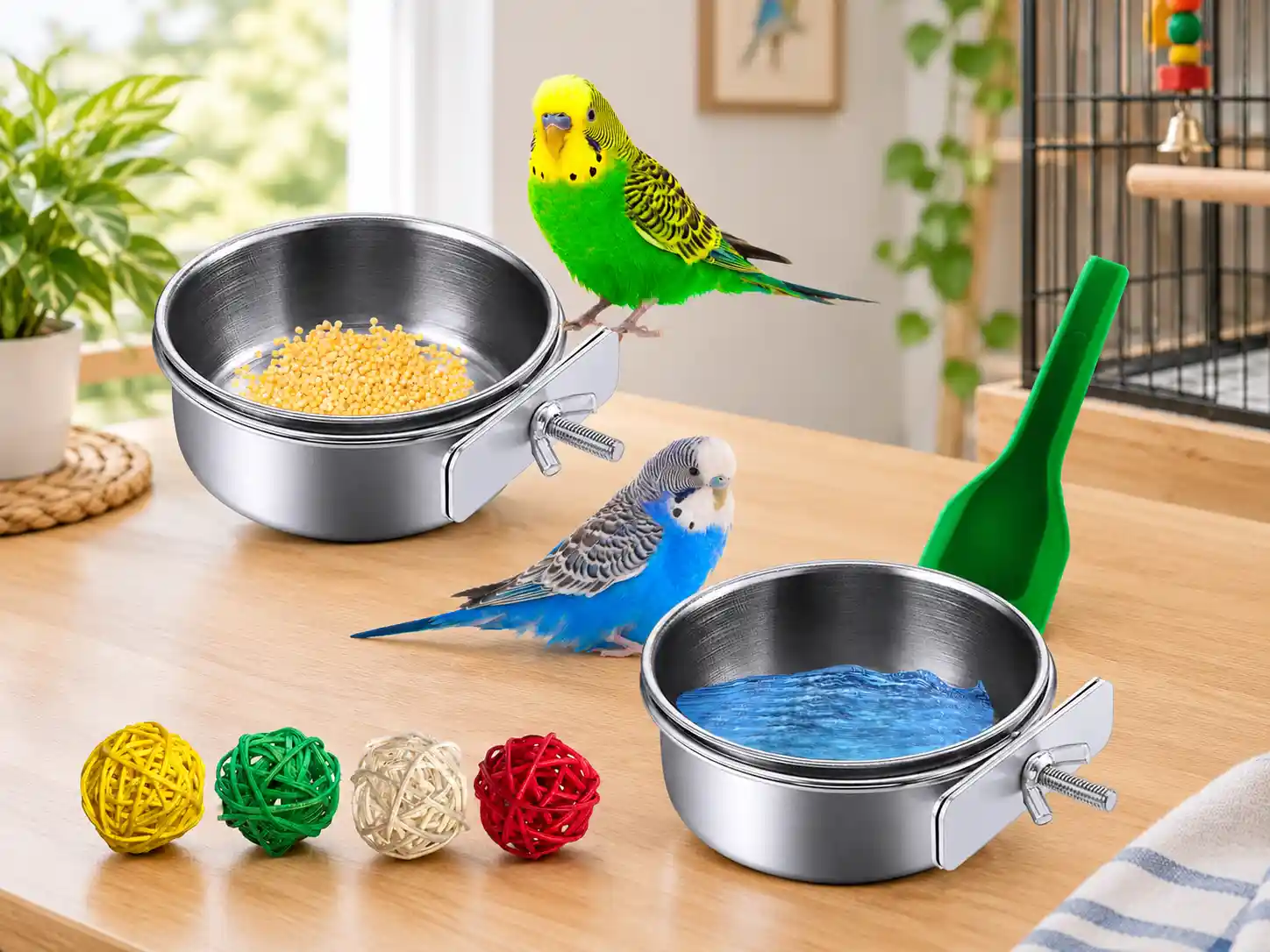
Food and water containers are everyday essentials.
Stainless steel bowls are a practical choice because they are durable and generally easy to clean and sanitize.
For your new bird owner checklist, prioritize bowls that are:
- Easy to remove
- Easy to wash
- Securely attached
- Appropriate for your bird's size
- Resistant to damage
- Convenient for daily cleaning
Food and water dishes should be cleaned regularly rather than being left in the cage for long periods without maintenance.
Dirty dishes can quickly become a hygiene problem.
✅ Shop Now — Stainless Steel Bird Bowls
4. Consider Appropriate Bird Cage Lighting
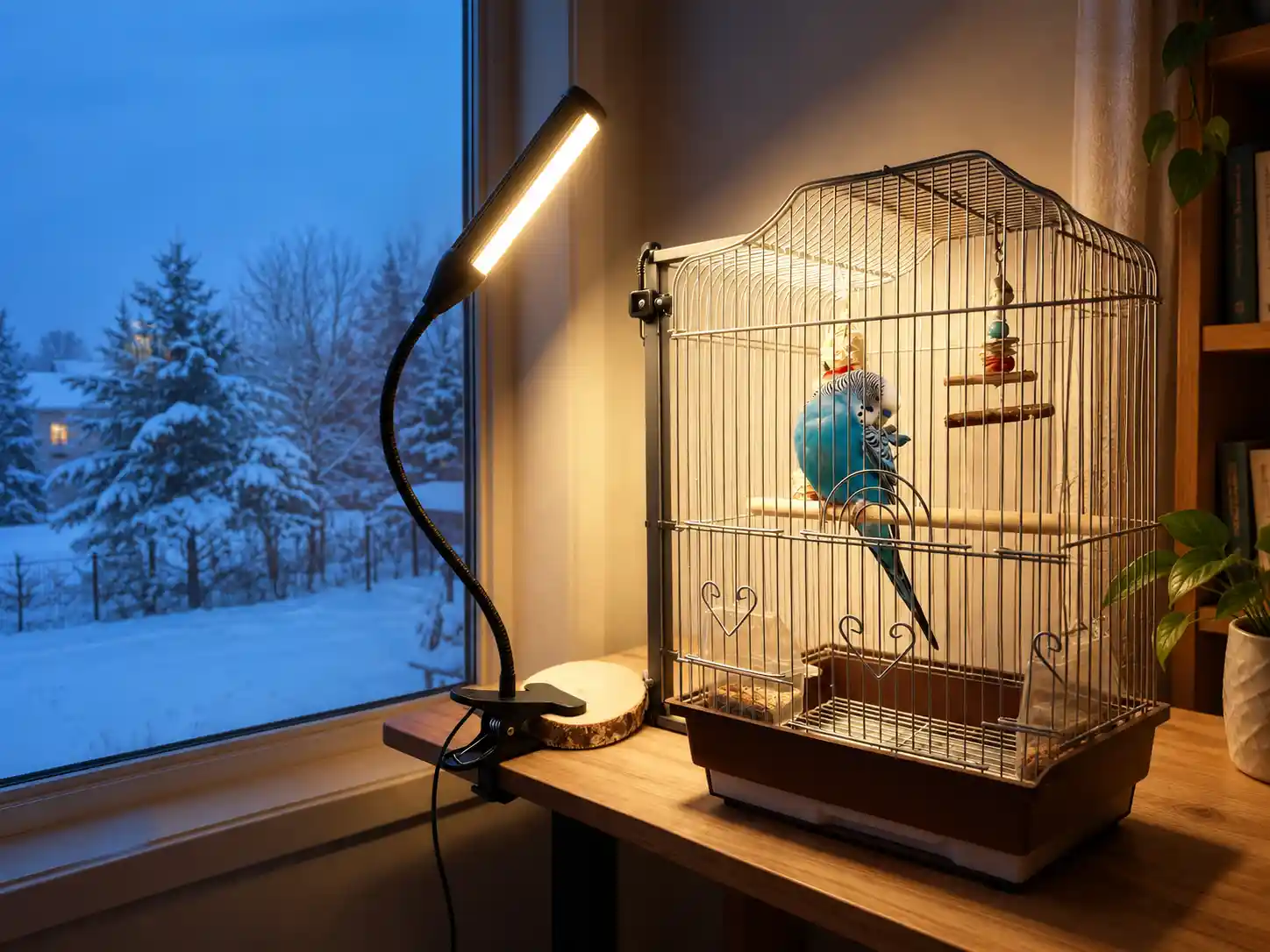
Lighting is an often-overlooked part of bird cage setup.
Birds experience their environment differently from humans, and the lighting around a cage can affect their daily environment.
A bird-safe, flicker-free light designed for appropriate pet-bird use may be useful depending on the bird, room, and setup.
Before purchasing specialized lighting, consider:
- The bird species
- Cage location
- Natural daylight available
- Light intensity
- Distance from the bird
- Product safety
- Recommended usage
Don't simply install a random household bulb directly beside the cage.
If you're unsure what lighting is appropriate for your particular bird, ask an avian veterinarian.
✅ Shop Now — Bird-Safe Cage Light
5. Choose a Safe Cage Location
Where you place the cage matters almost as much as the cage itself.
For a beginner pet bird setup, choose a location that allows the bird to interact with the household while still providing a sense of security.
Avoid placing the cage:
- In the kitchen
- Directly beside cooking appliances
- In strong drafts
- In extreme direct sunlight
- In a high-traffic area
- Where other pets can constantly approach it
- Where household chemicals are stored
A quiet, stable location can make the adjustment period easier.
Your bird should be able to observe normal household activity without constantly being exposed to frightening or stressful situations.
Daily Bird Care Essentials
Once your cage is ready, the next step is establishing a consistent daily care routine.
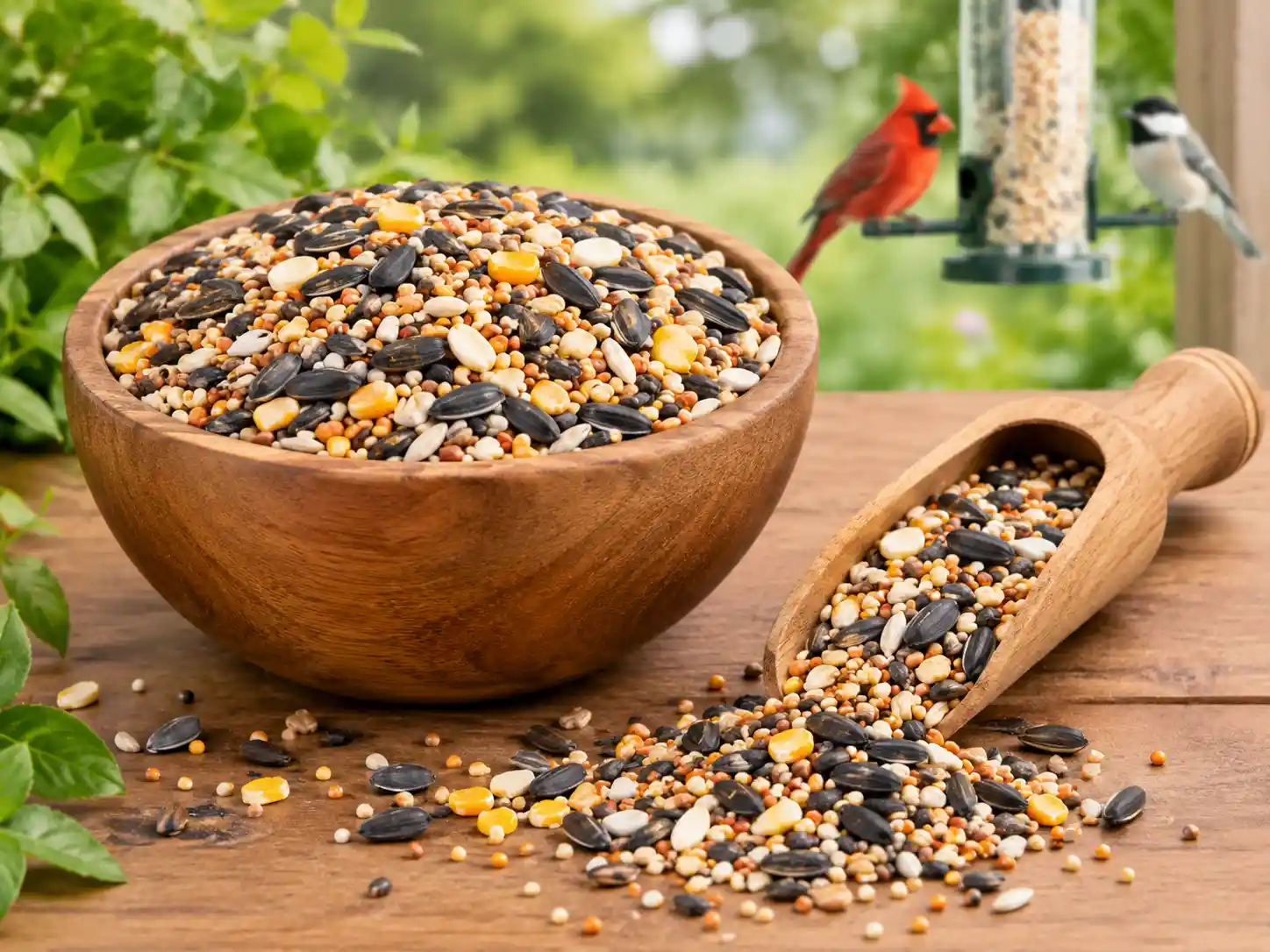
6. Provide a Proper Bird Diet
Nutrition is one of the most important parts of beginner bird care.
A quality pelleted diet, combined with appropriate fresh foods such as vegetables when suitable for the species, can provide a stronger nutritional foundation than a seed-only diet.
One common beginner mistake is assuming that birds can simply live on seeds.
Seed-heavy diets can be nutritionally unbalanced depending on the species and feeding pattern.
A good beginner diet plan should consider:
- Species
- Age
- Health
- Activity level
- Appropriate pellets
- Fresh vegetables
- Treats
- Seed quantity
- Fresh drinking water
Don't make major dietary changes without understanding your bird's nutritional needs.
For species-specific feeding advice, consult an avian veterinarian.
7. Provide Foraging & Enrichment Toys
Birds are intelligent animals.
Food, shelter, and water alone are not enough to create a stimulating environment.
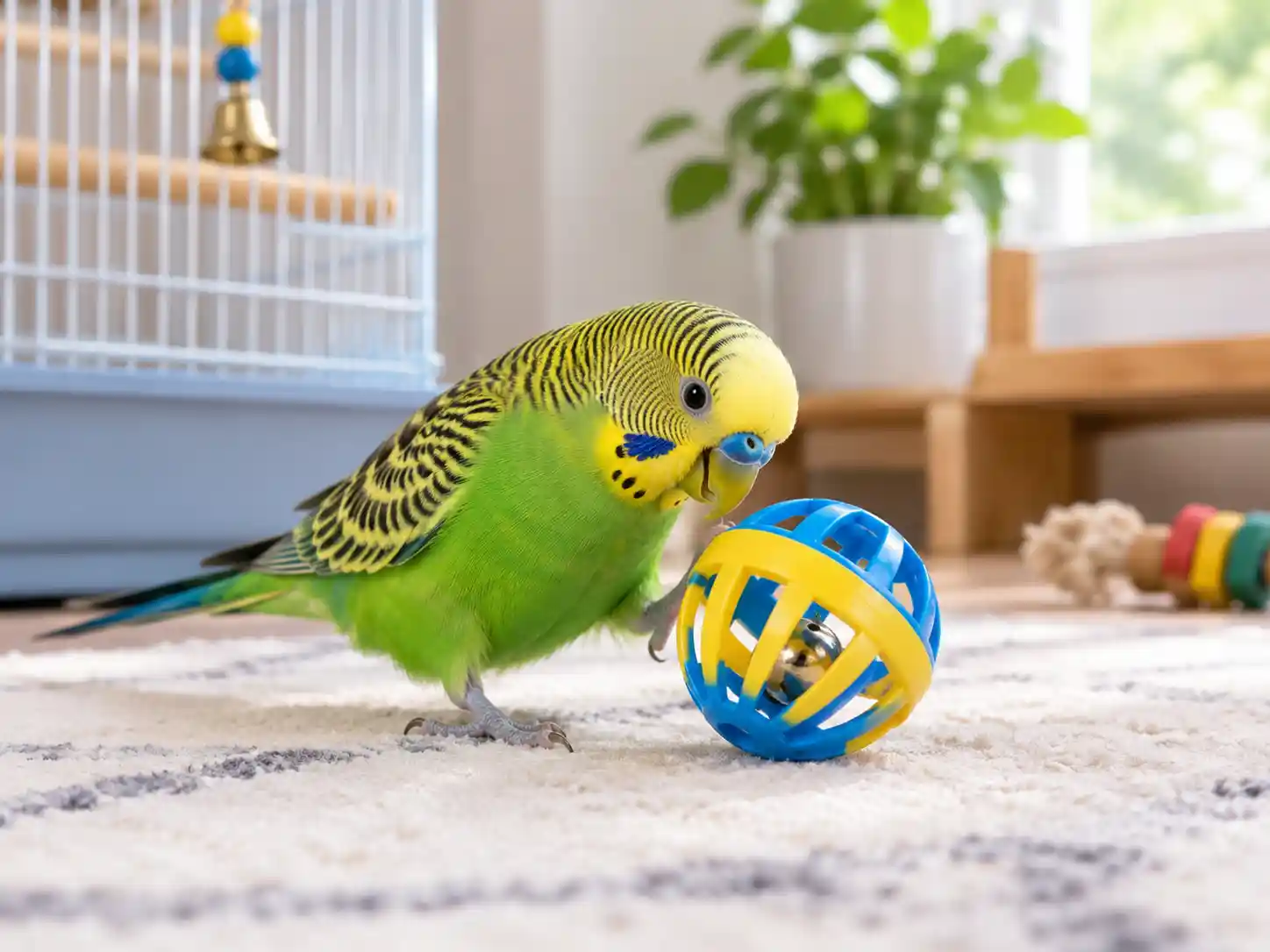
Bird enrichment toys and foraging activities can encourage natural behaviors and help reduce boredom.
Consider providing:
- Foraging toys
- Shreddable toys
- Climbing toys
- Puzzle-style feeders
- Chewable bird-safe toys
- Swings
- Activity toys
You don't necessarily need dozens of toys inside the cage at once.
Rotating several toys can help keep the environment interesting.
Always inspect toys for:
- Loose threads
- Broken components
- Sharp edges
- Unsafe materials
- Small parts
- Excessively worn areas
Remove damaged toys immediately.
✅ Shop Now — Bird Foraging Toys
8. Create a Safe Bathing Setup
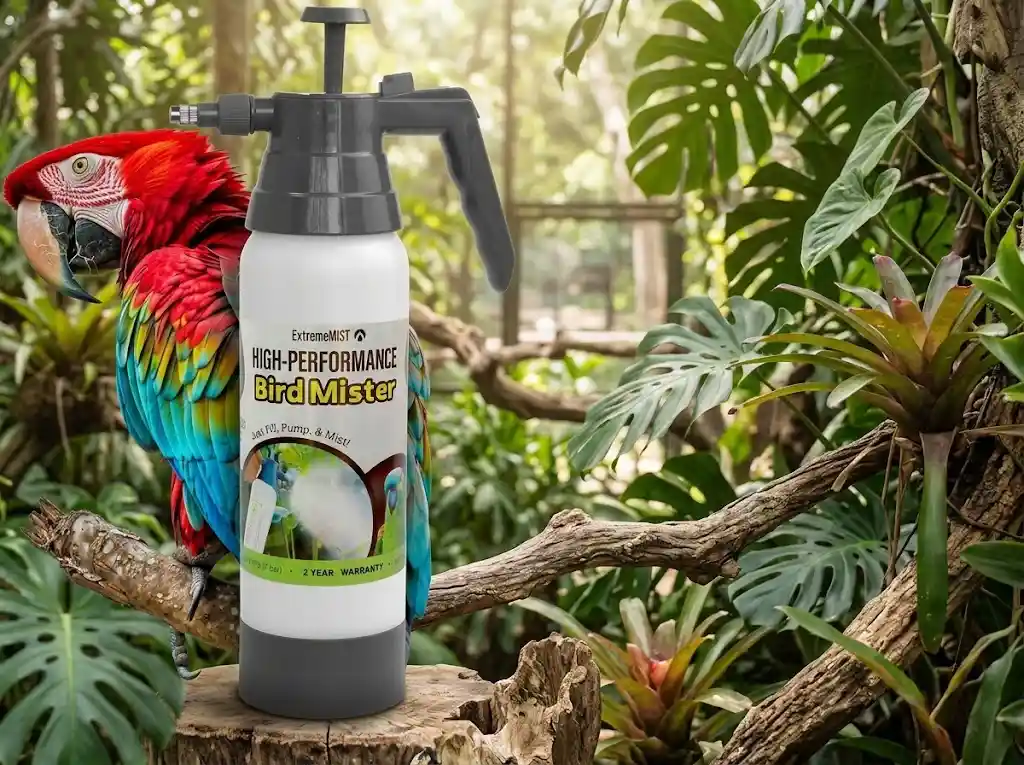
Bathing is another useful part of a pet bird care routine.
Many birds enjoy bathing or misting, although individual preferences vary.
Some birds prefer:
- A shallow bathing dish
- A gentle mist
- A fine spray resembling rain
- Bathing during supervised out-of-cage time
Never force a bird to bathe.
Instead, provide a safe opportunity and observe what your bird prefers.
A simple fine-mist spray bottle can be useful for birds that enjoy gentle misting.
✅ Shop Now — Bird Misting Spray Bottle
9. Provide a Safe Bird Play Stand
Out-of-cage activity can be an important part of daily life for many companion birds.
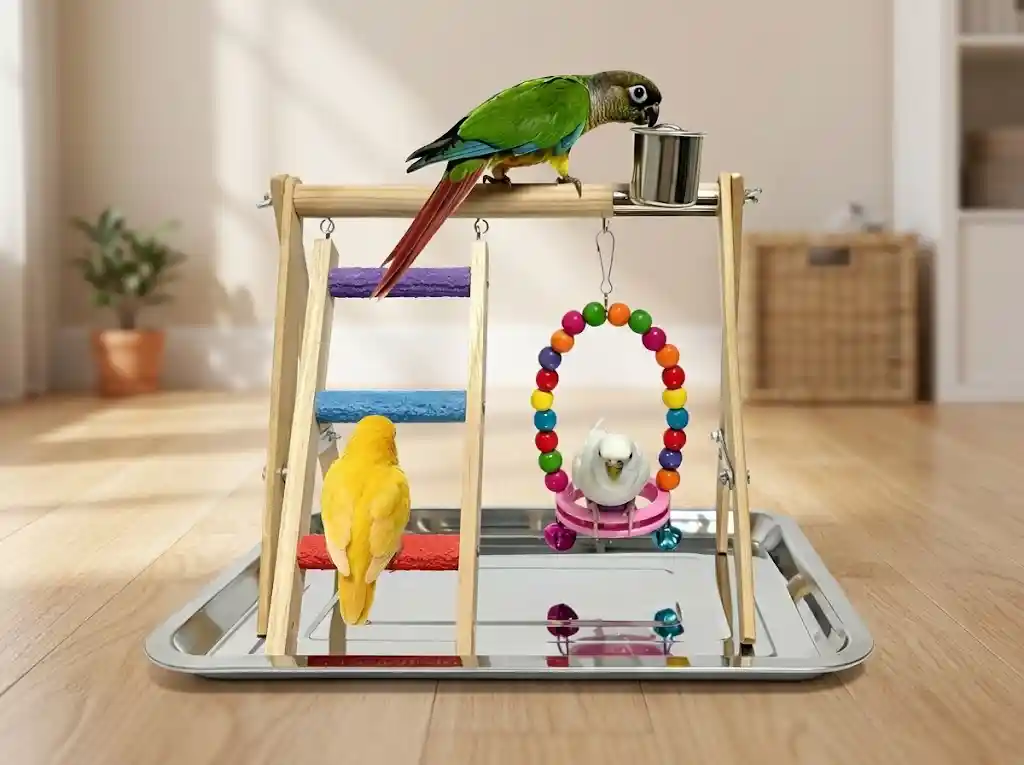
A dedicated bird play stand provides a controlled location where your bird can climb, move, explore, and interact with you while outside the cage.
A good play area can include:
- Perches
- Climbing opportunities
- Bird-safe toys
- Foraging activities
- Food treats where appropriate
Out-of-cage time should always be supervised.
Before allowing your bird to leave the cage, make sure the room is secure and obvious hazards have been removed.
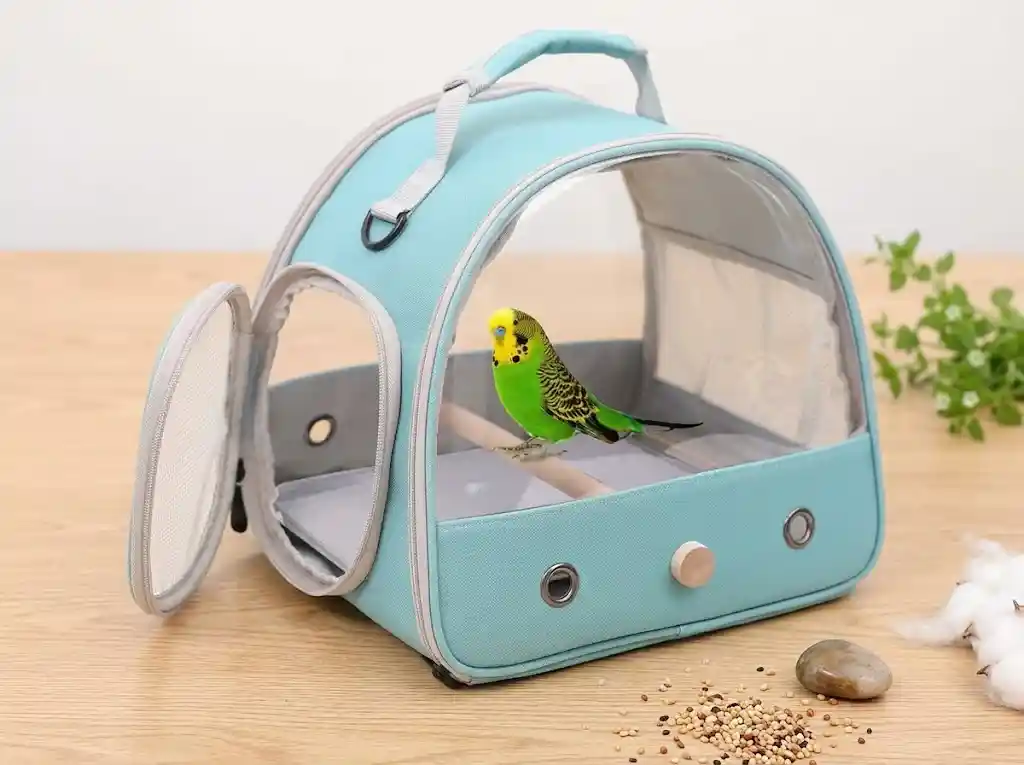
10. Keep a Secure Bird Travel Carrier Ready
A travel carrier is one of those products you may not use every day but absolutely want to have available when needed.
The most obvious use is transportation to an avian veterinarian.
A carrier can also be useful during:
- Emergency evacuation
- Moving
- Travel
- Household repairs
- Temporary relocation
- Other situations where the cage cannot be used
Don't wait until an emergency to discover that your bird is uncomfortable with the carrier.
Introducing the carrier gradually can make future transportation less stressful.
✅ Shop Now — Bird Travel Carrier
11. Prepare Basic Bird Grooming Supplies
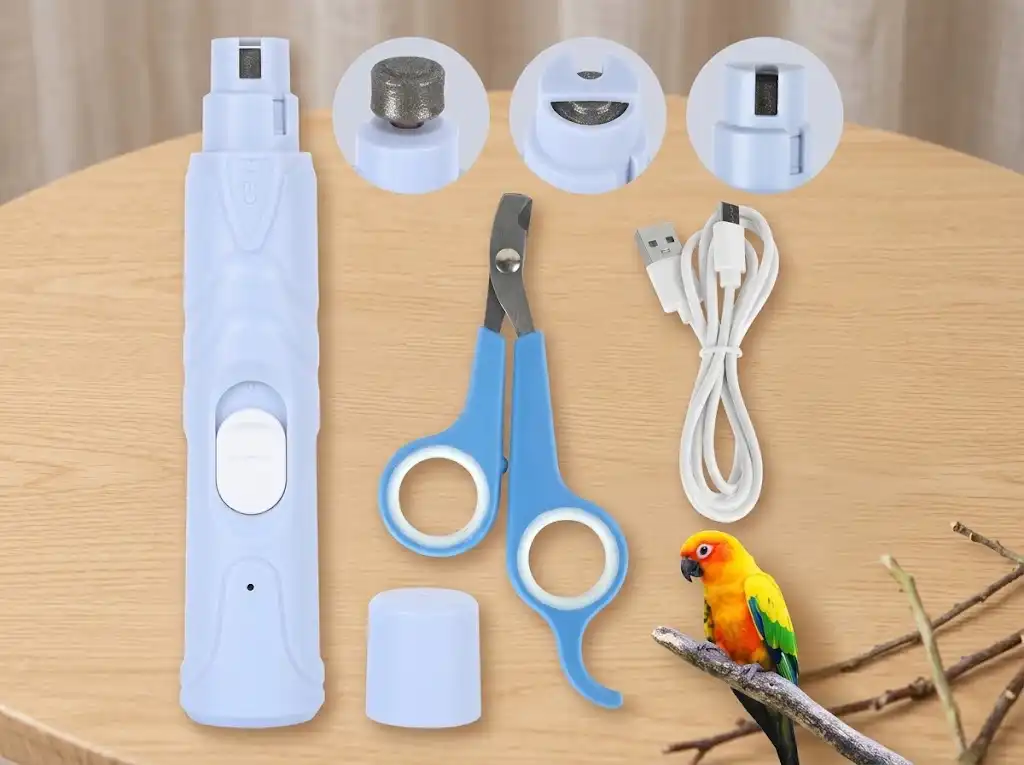
Bird grooming is different from grooming a dog or cat.
Depending on the species and individual bird, routine care may involve nail maintenance and other specialized grooming needs.
For new owners, the most important rule is:
Don't attempt unfamiliar grooming procedures without learning the correct technique first.
Nails contain blood vessels, and incorrect trimming can cause injury.
Ask your avian veterinarian to demonstrate safe nail-trimming techniques before trying it yourself.
A professional should handle more complicated grooming or beak problems.
✅ Shop Now — Bird Grooming Kit
12. Keep Bird-Safe Cleaning Supplies Available
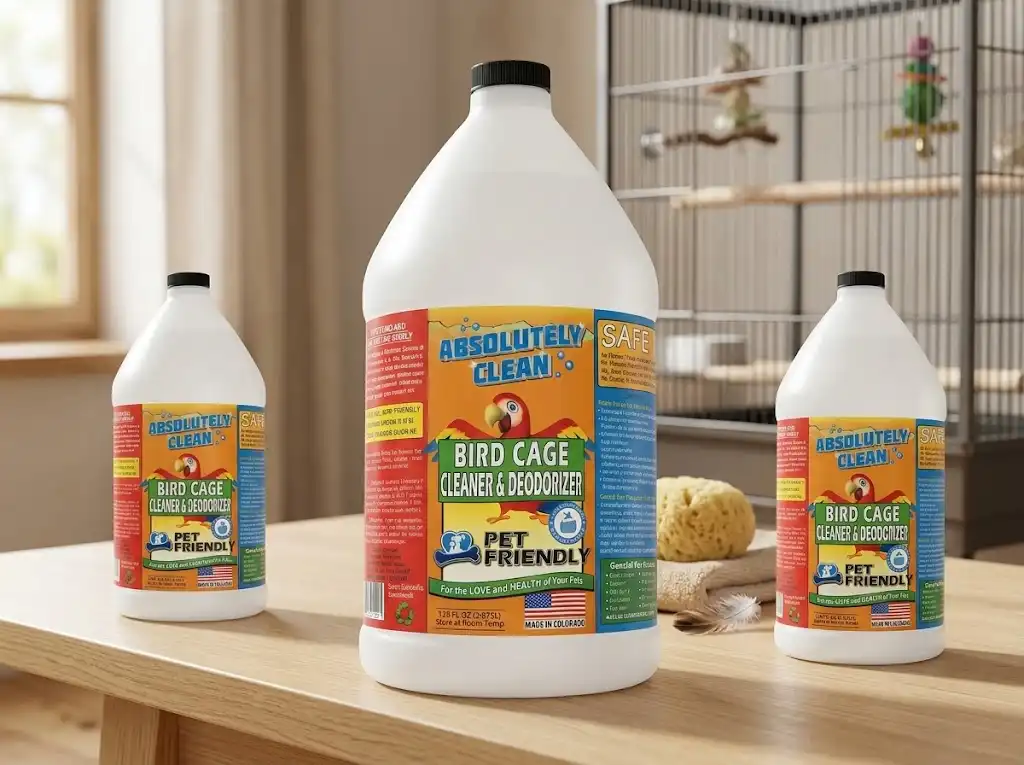
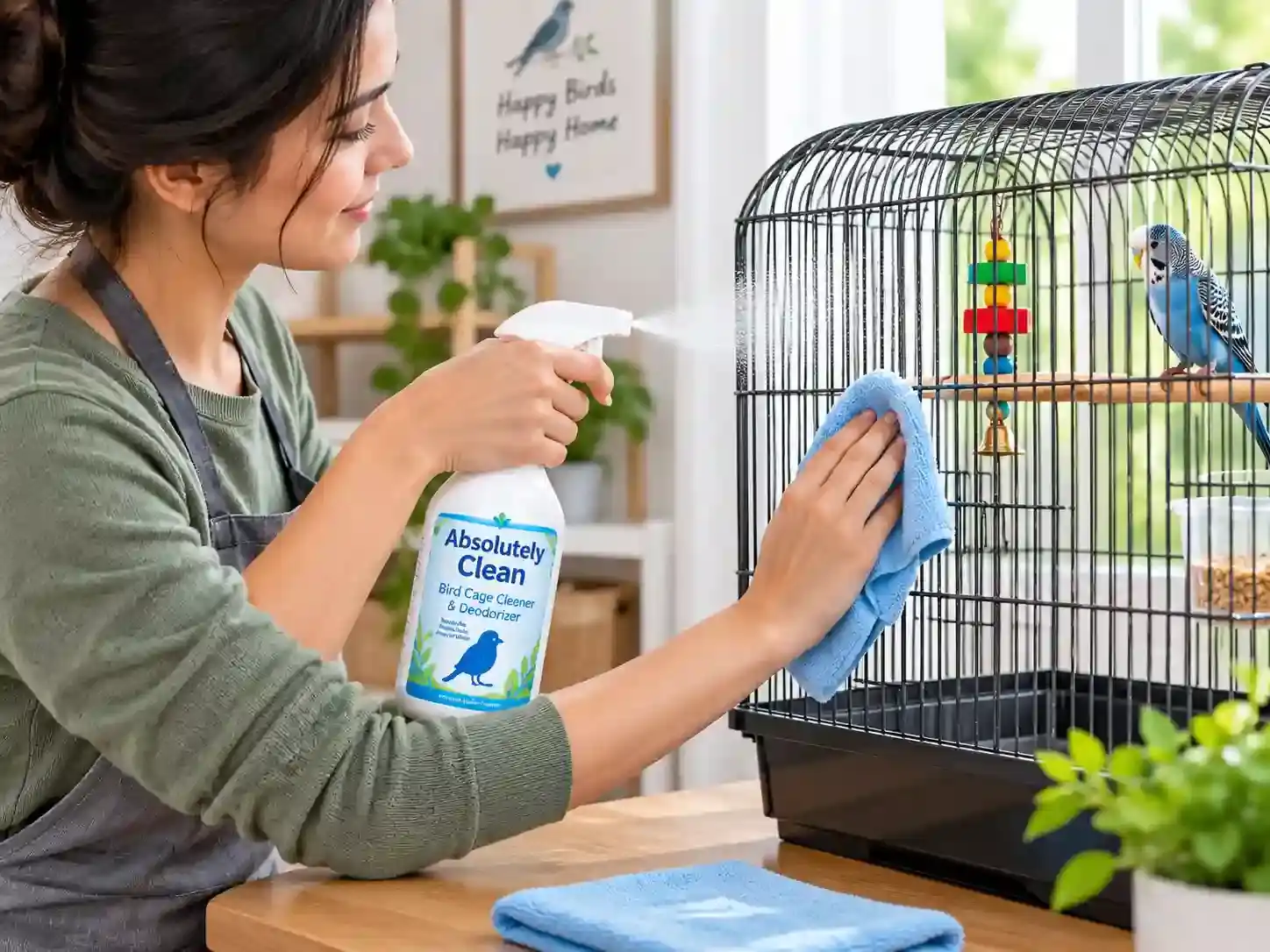
A clean cage is an essential part of bird cage maintenance.
Your basic cleaning setup may include:
- Cage liners
- Cleaning cloths
- Dedicated sponges
- Bird-safe cleaning products
- Supplies for washing food and water dishes
- Waste-removal tools
The cage, food bowls, water bowls, perches, and frequently used surfaces should be cleaned regularly.
However, be careful with cleaning products.
Birds have highly sensitive respiratory systems, so strong fumes, aerosols, and inappropriate chemicals can create serious risks.
Never use a cleaning product around your bird unless it is appropriate for the environment and used according to its directions.
✅ Shop Now — Bird-Safe Cage Cleaner
Bird Health Checklist for New Owners
Buying the right supplies is only one part of responsible bird ownership.
Health preparation is equally important.
Find an Avian Veterinarian Before You Need One
One of the smartest things a first-time bird owner can do is identify an avian veterinarian before bringing the bird home.
Not every general veterinary clinic provides specialized bird care.
Avian medicine requires species-specific knowledge, so having a veterinary contact ready can save valuable time if your bird becomes sick.
Keep the clinic's:
- Name
- Phone number
- Address
- Emergency information
- Appointment details
in an easily accessible place.
Learn the Early Signs of Illness in Birds
Birds can be exceptionally good at hiding signs of illness.
This means a new owner shouldn't wait for dramatic symptoms before taking changes seriously.
Watch for changes such as:
- Fluffed feathers for extended periods
- Reduced activity
- Changes in appetite
- Changes in droppings
- Reduced vocalization
- Unusual sleeping behavior
- Changes in normal behavior
- Difficulty moving normally
A single change doesn't necessarily identify a specific illness.
However, noticeable or persistent changes deserve attention.
If you suspect your bird is sick, contact an avian veterinarian rather than attempting to diagnose the problem yourself.
Bird Household Safety: Hazards Every New Owner Should Know
A bird-proofed home is one of the most important parts of responsible bird ownership.
Birds are curious and may explore areas that seem harmless to humans.
Avoid Kitchen Hazards
The kitchen can be one of the most dangerous areas for pet birds.
Cooking fumes, hot surfaces, smoke, and certain non-stick cookware fumes can pose serious risks.
For this reason, keeping a bird cage away from the kitchen is a basic safety precaution.
Be Careful With Scented Products
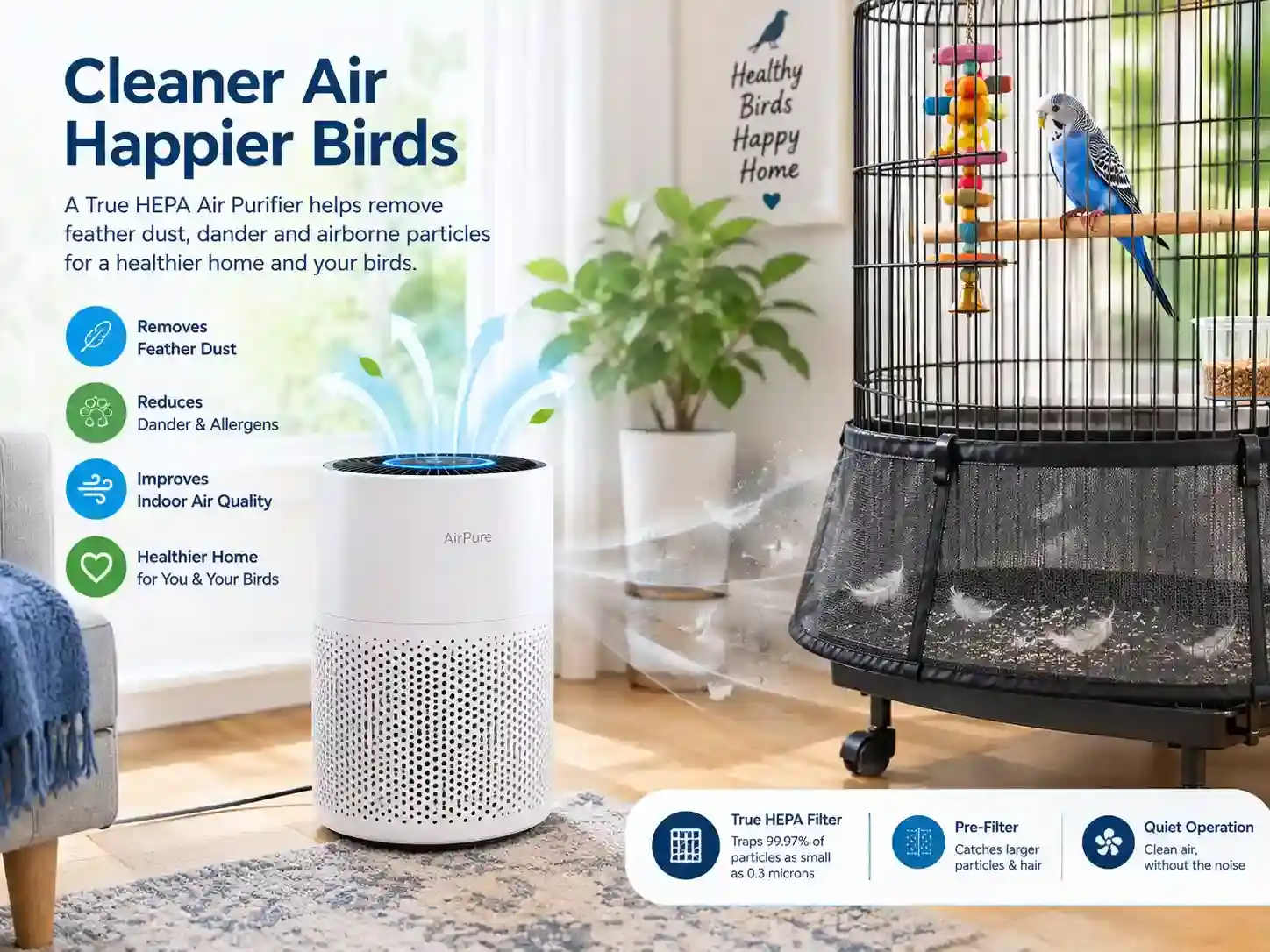
Many household products that smell pleasant to humans can be inappropriate around birds.
Potential concerns include:
- Scented candles
- Aerosol sprays
- Strong cleaning products
- Essential oil diffusers
- Smoke
- Fragrances
Because birds have sensitive respiratory systems, it is safer to avoid exposing them to unnecessary fumes and airborne chemicals.
Watch Out for Other Pets
Dogs and cats can live in homes with birds, but that does not mean direct interaction is automatically safe.
A bird can be seriously injured by a pet that is only trying to play.
Keep the bird's cage secure and prevent unsupervised interaction with other household animals.
Be Careful With Houseplants and Other Household Objects
Some plants and household substances can be dangerous to birds.
Before allowing your bird to explore a room, identify and remove potential hazards.
Also watch for:
- Open windows
- Ceiling fans
- Electrical cords
- Small objects
- Hot liquids
- Open doors
- Unsecured containers
- Other pets
Bird-proofing should become part of your normal daily routine.
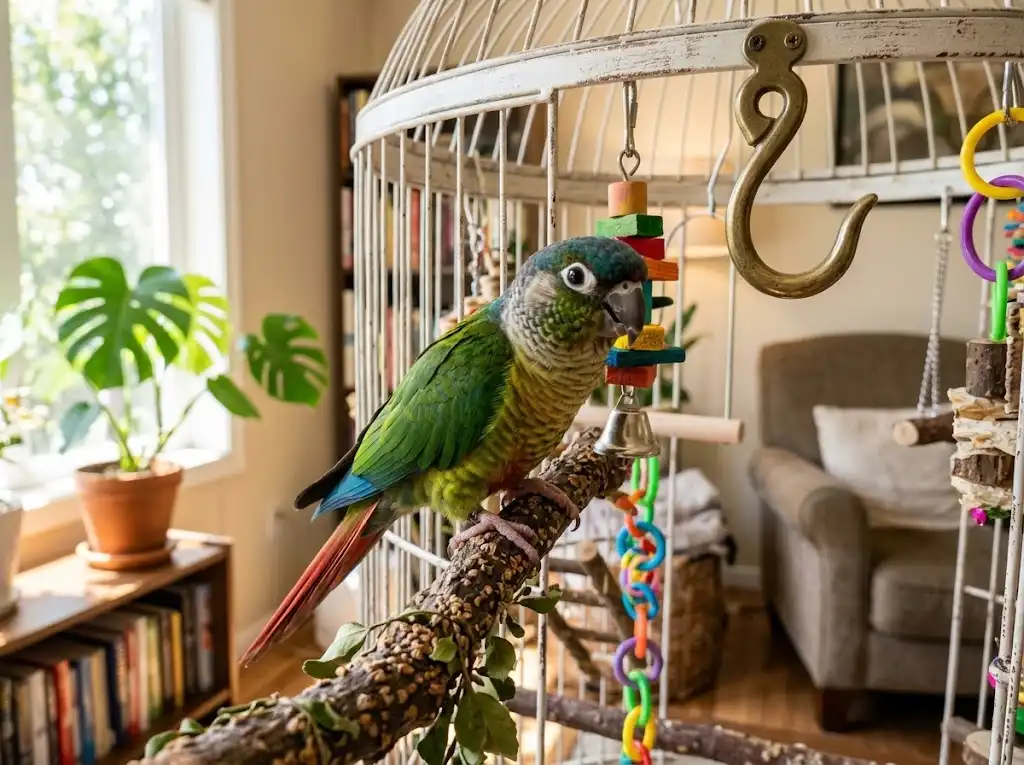
New Bird Owner Daily Routine
A simple daily routine can make bird care much easier.
Morning
- Check your bird's appearance and behavior
- Replace drinking water
- Provide fresh food
- Check food dishes
- Observe droppings
- Check cage condition
- Provide appropriate interaction
During the Day
- Provide supervised activity
- Offer enrichment
- Rotate appropriate toys
- Allow safe out-of-cage time when possible
- Monitor eating and drinking
Evening
- Remove spoiled food
- Refresh water if necessary
- Check cage cleanliness
- Observe your bird's behavior
- Make sure the sleeping environment is comfortable and safe
A consistent routine also makes it easier to notice when something changes.
First-Time Bird Owner Mistakes to Avoid
Even well-intentioned beginners can make mistakes.
Here are some common ones to avoid.
Buying a Cage That's Too Small
A cage shouldn't be selected simply because it fits your room.
Your bird's needs should determine the minimum appropriate space.
Feeding Only Seeds
Seeds may be attractive to birds, but a seed-only diet can create nutritional problems.
Understand the dietary needs of your particular species.
Buying Only One Type of Perch
A cage filled with identical smooth perches provides limited variety.
Use appropriate perch diversity.
Ignoring Mental Stimulation
Birds need more than food and water.
Provide safe toys, interaction, exploration, and foraging opportunities.
Waiting Until an Emergency to Find a Vet
Locate an avian veterinarian before you need one.
Letting the Bird Roam Without Bird-Proofing
An apparently safe room can contain many hidden hazards.
Always supervise out-of-cage activity and prepare the environment first.
Using Strong Household Chemicals Around the Bird
Birds can be highly sensitive to fumes.
Use appropriate bird-safe cleaning practices.
Species-Specific Considerations for New Bird Owners
The general new bird owner checklist applies broadly, but every species has different needs.
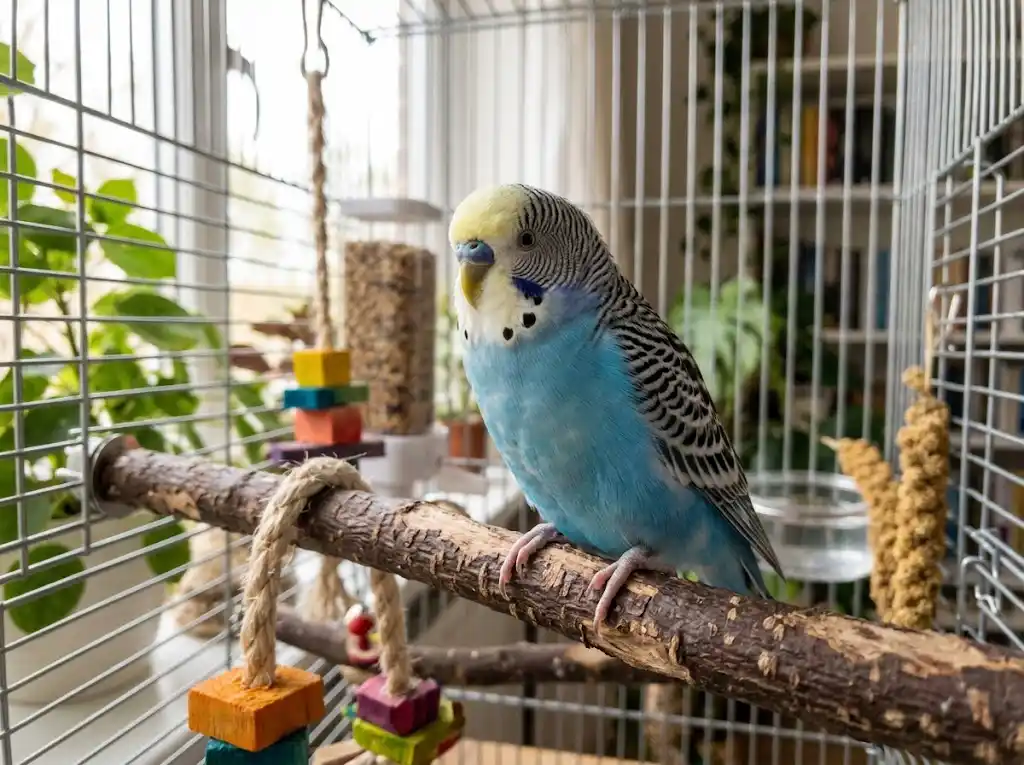
Budgie Care Checklist
Budgies are small but active and intelligent.
Pay particular attention to:
- Appropriate cage size
- Safe bar spacing
- Multiple perches
- Social interaction
- Enrichment
- Balanced nutrition
- Safe exercise
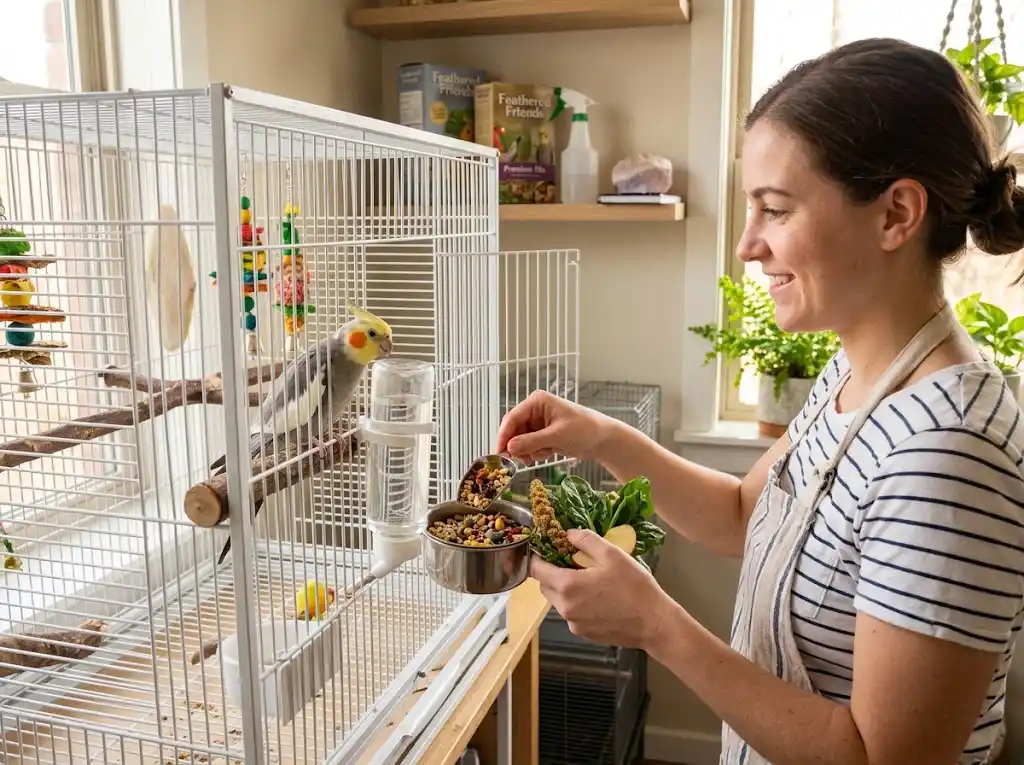
Cockatiel Care Checklist
Cockatiels need an environment that supports movement, enrichment, and social interaction.
A new cockatiel owner should prepare:
- A suitably sized cage
- Safe perches
- Toys
- Food and water bowls
- A play area
- A travel carrier
- Regular veterinary care
Conure Care Checklist
Conures are active and intelligent companion birds.
Their setup should provide opportunities for:
- Climbing
- Chewing
- Foraging
- Interaction
- Supervised exercise
- Mental stimulation
Lovebird Care Checklist
Lovebirds are small, energetic birds that can benefit from a stimulating environment.
Focus on:
- Appropriate cage space
- Safe toys
- Perch variety
- Social interaction
- Good nutrition
- Regular observation
Parrot Care Checklist
Larger parrots generally require even more attention to enrichment, social interaction, diet, housing, and safety.
Before purchasing a larger parrot, make sure you understand the long-term commitment involved.
How Much Should a New Bird Owner Spend?
There isn't one universal budget for bird ownership.
Your total cost can vary depending on:
- Bird species
- Cage size
- Cage quality
- Food
- Toys
- Veterinary care
- Lighting
- Accessories
- Replacement supplies
- Grooming needs
The most important rule is not to spend your entire budget on the bird itself while compromising on housing, nutrition, safety, or veterinary care.
A better approach is to create your complete setup budget before bringing the bird home.
What Should You Buy First for a New Bird?
If you're working with a limited budget, prioritize the essentials.
Buy Before Your Bird Arrives
- Appropriate cage
- Safe perches
- Food and water bowls
- Appropriate food
- Basic enrichment toys
- Cage liner and cleaning supplies
- Travel carrier
- Safe cage location
Add Soon After
- Play stand
- Additional enrichment toys
- Bathing supplies
- Grooming supplies
- Specialized lighting if appropriate
This approach prevents unnecessary impulse purchases while making sure the important basics are ready.
FAQ
1. What is the most important item on a new bird owner checklist?
The bird cage is one of the most important purchases because it becomes your bird's primary living environment. Choose an appropriately sized cage with safe bar spacing and enough room for movement, perches, food, and enrichment.
2. What should I buy before bringing a bird home?
At minimum, prepare an appropriate cage, safe perches, food and water bowls, suitable food, basic toys, cleaning supplies, and a secure travel carrier. You should also identify an avian veterinarian before bringing the bird home.
3. What does a first-time bird owner need?
A first-time bird owner needs more than a cage and bird food. A complete setup should include safe housing, perches, nutrition, enrichment, bathing opportunities, supervised exercise, cleaning supplies, transportation equipment, and a plan for veterinary care.
4. Is a seed-only diet okay for pet birds?
A seed-only diet is generally not considered an ideal nutritional foundation for many companion birds. A quality pelleted diet combined with appropriate fresh foods may provide a more balanced approach, depending on the species. Ask an avian veterinarian about your bird's specific nutritional requirements.
5. Do birds need toys?
Birds are intelligent animals and generally benefit from mental stimulation and enrichment. Foraging toys, climbing opportunities, chewable materials, and other appropriate enrichment can help keep their environment engaging.
6. How often should I clean a bird cage?
Cleaning frequency depends on the cage, bird, diet, and environment. Food and water dishes should be maintained regularly, while cage liners and surfaces should be cleaned as needed to keep the environment hygienic.
7. Do I really need an avian veterinarian?
Having access to an avian veterinarian is highly recommended. Not every general veterinarian specializes in birds, so finding one before an emergency occurs is a smart part of responsible bird ownership.
8. What are the early signs that a bird may be sick?
Changes in normal behavior can be important. Potential warning signs include prolonged fluffed feathers, reduced activity, appetite changes, unusual droppings, reduced vocalization, or other noticeable changes from your bird's normal behavior.
9. Can I keep my bird in the kitchen?
The kitchen is generally not an ideal location for a pet bird because cooking fumes, smoke, hot surfaces, and certain cookware-related fumes can create serious hazards.
10. Does a new bird need a travel carrier?
Yes. A secure carrier is extremely useful for veterinary visits, emergencies, travel, and other situations where the normal cage cannot be transported safely.
11. Does my bird need time outside the cage?
Many companion birds benefit from supervised out-of-cage activity, provided the environment has been properly bird-proofed. A dedicated play stand can provide a controlled area for exercise and enrichment.
12. What are the biggest mistakes new bird owners make?
Common mistakes include buying a cage that's too small, relying heavily on seeds, providing too little enrichment, using unsafe household products, ignoring bird-proofing, and waiting until an emergency to locate an avian veterinarian.
13. What should I do if my new bird doesn't seem normal?
Birds can hide illness, so noticeable changes in behavior, eating, activity, droppings, or vocalization should not be ignored. Contact an avian veterinarian if you're concerned about your bird's health.
14. Do different bird species need different setups?
Yes. Budgies, cockatiels, conures, lovebirds, and larger parrots can have substantially different housing, dietary, enrichment, and social needs. Use this checklist as a starting point and adapt it to the species you own.
Final Thoughts
Being a new bird owner is much easier when the basic setup is prepared before your bird arrives.
The most important part of a successful new bird owner checklist isn't buying the largest number of products.
It's getting the fundamentals right:
- Choose an appropriate cage
- Provide safe and varied perches
- Use clean food and water bowls
- Establish an appropriate diet
- Provide enrichment and foraging opportunities
- Offer safe bathing opportunities
- Create a supervised play area
- Keep a travel carrier ready
- Maintain good cage hygiene
- Learn basic grooming requirements
- Bird-proof your home
- Identify an avian veterinarian
- Learn your bird's normal behavior
Remember that bird care is not one-size-fits-all.
A budgie, cockatiel, conure, lovebird, and large parrot can have very different needs, so always adapt your setup to your bird's species, age, health, and individual behavior.
If you're still deciding what to buy, start with the essentials rather than purchasing every product available.
A safe cage, appropriate nutrition, enrichment, clean surroundings, regular observation, and access to qualified veterinary care are far more important than having the most expensive bird accessories.
✅ Shop Now — Browse Complete New Bird Owner Essentials
Disclaimer: This article is for informational purposes only and is not a substitute for professional avian veterinary advice. Bird care requirements vary significantly by species, age, health, and individual circumstances. Always consult a qualified avian veterinarian for species-specific health, nutrition, grooming, and medical guidance. Some links may be affiliate links.