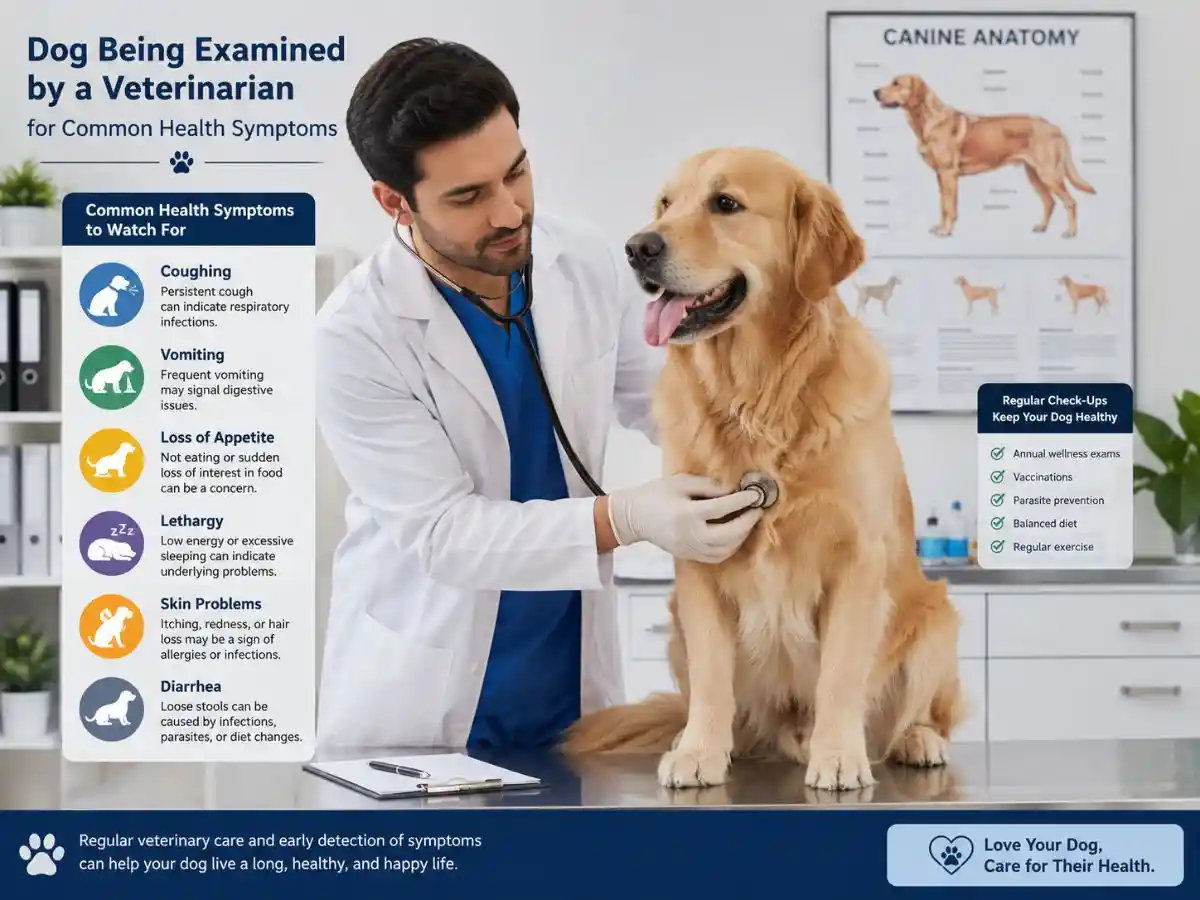
7 Common Dog Diseases — Symptoms, Causes & What To Do (2026 Guide)
Why Dogs Hide Illness Longer Than You'd Expect
Dogs are loyal, food-motivated, tail-wagging companions — but they can also hide discomfort surprisingly well.
That means a dog may continue eating, playing, or following you around even when something isn't quite right.
Vet tip: Pay attention to changes from your dog's normal routine. A dog that's suddenly quieter, eating differently, drinking much more, limping, scratching constantly, or changing bathroom habits deserves closer attention.
1. Hip Dysplasia and Joint Disease
Hip dysplasia is a developmental condition involving abnormal formation of the hip joint and is particularly common in many medium and large breeds.
Dogs with arthritis or other joint problems may gradually become less active rather than suddenly appearing sick.
- Difficulty standing up or climbing stairs
- Limping or favoring one leg
- Reluctance to jump onto furniture
- Reduced activity
- Stiffness after resting
- Difficulty getting up after sleeping
- Muscle loss in the hind legs
For dogs with diagnosed joint disease, your veterinarian may recommend weight management, exercise modification, physical rehabilitation, medication, or nutritional support.
For everyday joint support, Nutramax Dasuquin with MSM Joint Health Supplement for Large Dogs is an Amazon-listed product containing ingredients such as glucosamine, chondroitin, MSM, ASU, and Boswellia. It is intended as a joint-support supplement, not a treatment for hip dysplasia itself.
✅ Shop Now — Nutramax Dasuquin with MSM Joint Health Supplement for Large Dogs

2. Ear Infections
Ear infections are common in dogs, particularly in dogs with floppy ears, allergies, or underlying skin problems.
A dog that repeatedly develops ear infections may have an underlying allergy or other condition that needs veterinary attention.
- Head shaking or tilting
- Scratching at the ears
- Redness or swelling
- Ear discharge
- Strong odor from the ear
- Sensitivity when the ears are touched
Don't put random household liquids or human medications into your dog's ears. If the ear is painful, swollen, or producing significant discharge, a veterinary examination is important.
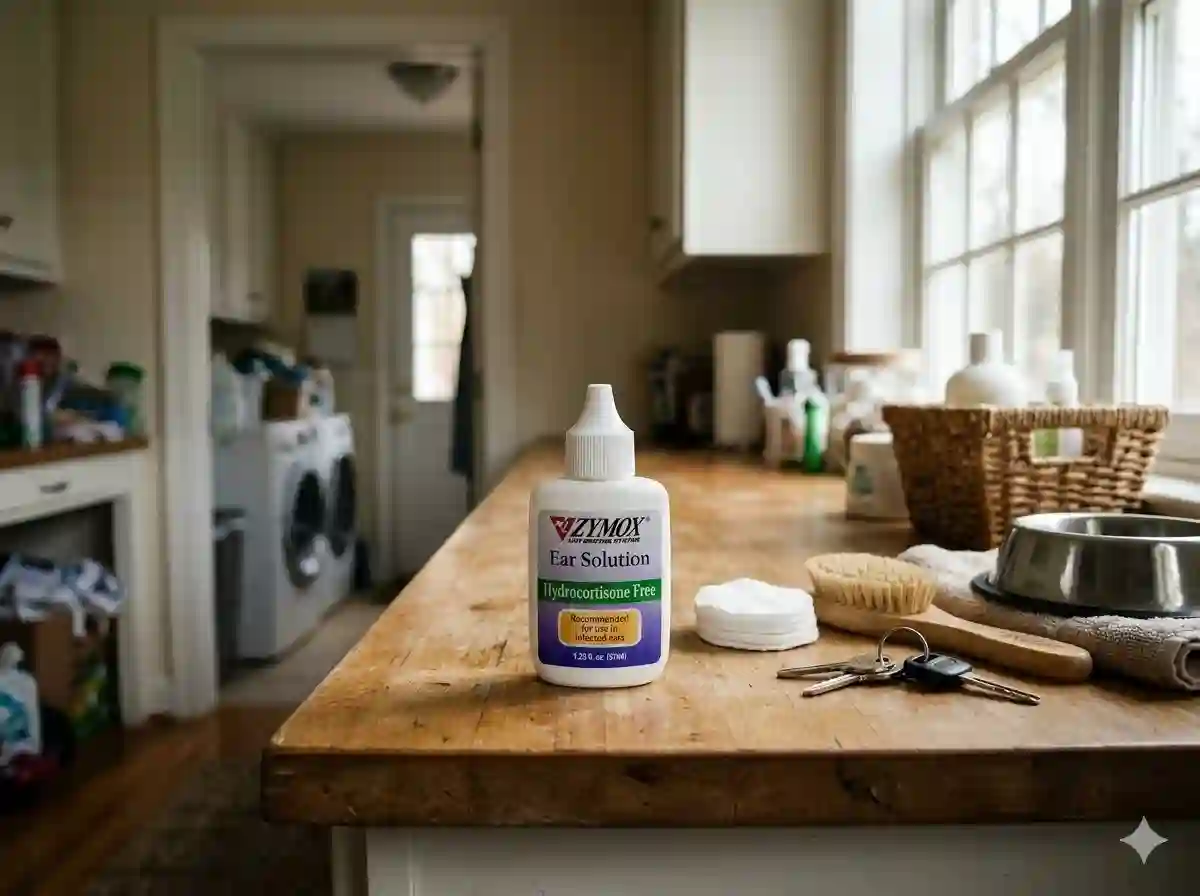
For routine ear care, Zymox Otic Enzymatic Ear Solution for Dogs and Cats is a commonly available pet ear-care product. It is intended for external ear care, but it should not replace veterinary treatment when a dog has a painful or severe ear infection.
✅ Shop Now — Zymox Otic Ear Solution for Dogs
3. Obesity and Related Complications
Obesity is one of the most preventable health problems affecting dogs and can contribute to problems involving the joints, mobility, metabolism, and overall quality of life.
You may notice:
- Difficulty feeling your dog's ribs
- Low energy
- Excessive panting during activity
- Reluctance to walk or play
- Difficulty jumping or climbing stairs
- Gradual weight gain
Pro tip: Don't rely only on the number on the scale. Body condition matters too. Your veterinarian can assess your dog's body condition and help determine an appropriate calorie intake.
Weight management usually starts with appropriate portions, measured treats, regular activity, and a nutritionally complete diet.
If your veterinarian recommends a weight-management diet, products such as Hill's Science Diet Adult Perfect Weight are specifically formulated for adult dogs needing weight-management support.
✅ Shop Now — Hill's Science Diet Adult Perfect Weight Dog Food

4. Kidney Disease
Kidney disease can develop gradually, particularly in older dogs, making early signs easy to overlook.
Common symptoms can include:
- Increased thirst
- Increased urination
- Weight loss
- Reduced appetite
- Vomiting
- Lethargy
- Dehydration
- Changes in coat condition
Kidney disease should be diagnosed and monitored by a veterinarian. Blood tests and urine testing are commonly used to evaluate kidney function and help determine the appropriate treatment plan.
Veterinarians may recommend therapeutic renal diets for dogs with chronic kidney disease. Hill's Prescription Diet k/d Kidney Care is one example of a veterinary therapeutic diet designed for dogs with kidney disease.
Another option commonly used in veterinary renal nutrition is Royal Canin Veterinary Diet Renal Support. Therapeutic diets should be selected with your veterinarian because the right nutritional plan depends on the individual dog's condition and stage of disease.
✅ Shop Now — Hill's Prescription Diet k/d Kidney Care Dog Food

5. Dental Disease
Dental disease is extremely common in dogs and can become painful long before an owner realizes something is wrong.
Watch for:
- Bad breath
- Yellow or brown tartar buildup
- Red or swollen gums
- Difficulty chewing
- Dropping food
- Excessive drooling
- Pawing at the mouth
- Reluctance to eat hard food
Regular brushing is one of the best ways to support daily dental hygiene, while veterinary dental examinations can identify problems that cannot be seen easily at home.
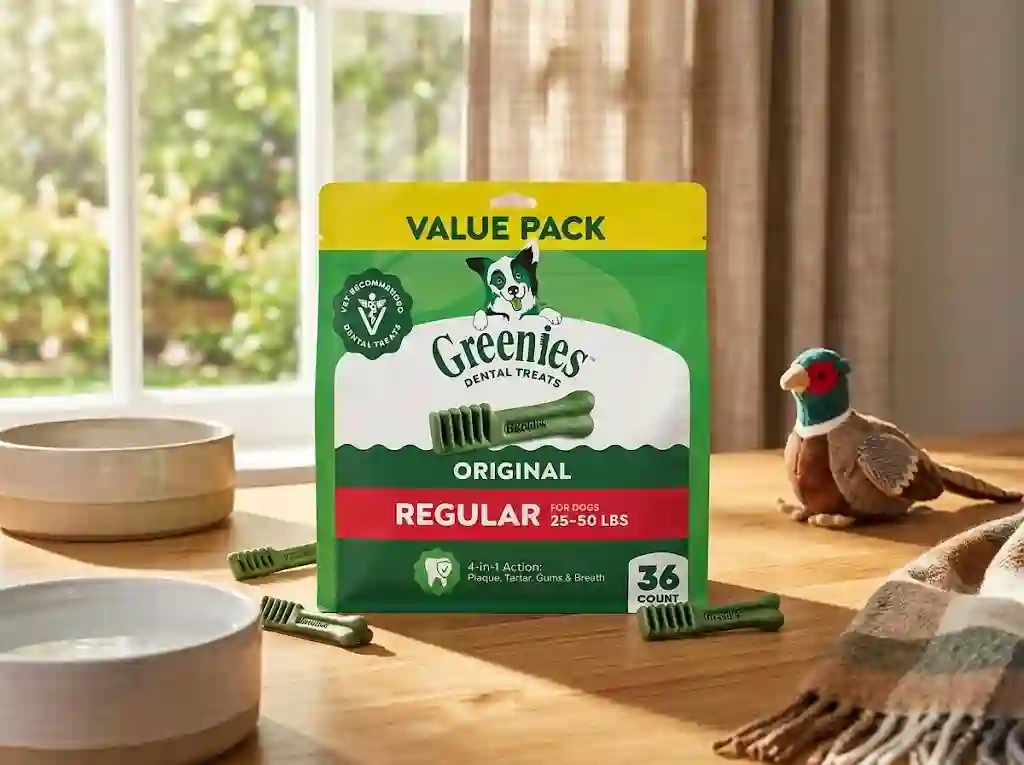
For dogs that enjoy dental treats, Greenies Original Regular Natural Dental Care Dog Treats are a popular option designed specifically for daily dental care.
Dental treats should not be considered a replacement for professional dental care when significant tartar, gum disease, or oral pain is already present.
✅ Shop Now — Greenies Original Natural Dental Care Dog Treats
6. Allergies and Skin Conditions
Dogs can develop allergies to environmental triggers, food ingredients, fleas, and other substances. Skin allergies can also contribute to recurring ear infections.
Common symptoms include:
- Excessive scratching
- Constant licking or chewing of paws
- Red or inflamed skin
- Hair loss
- Hot spots
- Recurring ear infections
- Rubbing the face or body against furniture
If your dog is constantly scratching, don't automatically assume it's a food allergy. Fleas, environmental allergies, parasites, infections, and other conditions can produce similar symptoms.
A veterinarian can help determine the underlying cause.
For dogs with sensitive or irritated skin, a gentle pet shampoo can be useful as part of routine grooming. Veterinary Formula Clinical Care Antiseptic & Antifungal Shampoo is one commonly available dog skin-care product.
However, persistent itching, open wounds, hair loss, or recurring infections deserve veterinary evaluation rather than repeated shampoo changes.
✅ Shop Now — Veterinary Formula Clinical Care Antiseptic & Antifungal Shampoo

7. Parvovirus (Especially in Puppies)
Canine parvovirus is a highly contagious viral disease that can become life-threatening, particularly in puppies and unvaccinated dogs.
Possible symptoms include:
- Severe vomiting
- Severe diarrhea
- Bloody diarrhea
- Extreme lethargy
- Loss of appetite
- Dehydration
- Fever or abnormal body temperature
This is not a condition to treat with an Amazon product at home.
If you suspect parvovirus, contact a veterinarian or emergency veterinary hospital immediately. Keep a potentially infected dog away from other dogs because parvovirus can spread easily through contaminated environments.
Vaccination is one of the most important preventive measures against canine parvovirus.
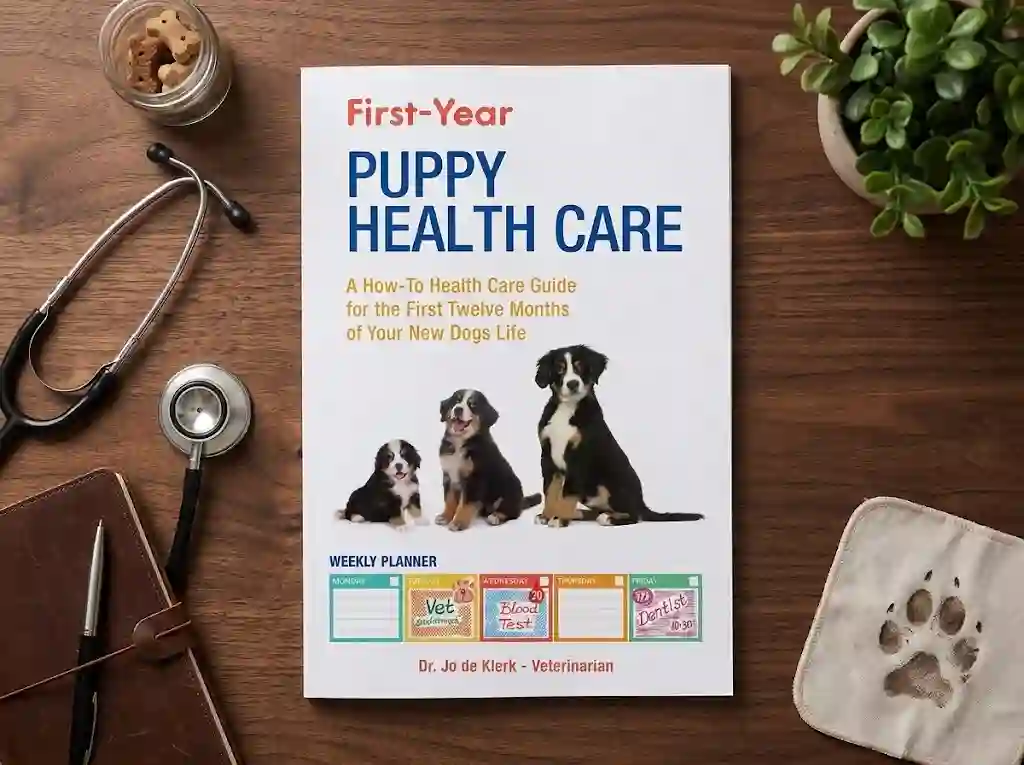
✅ Shop Now — Puppy Health & Care Essentials
When to See a Vet: Urgent Warning Signs
Some symptoms should never be handled with a "let's wait and see" approach.
Head to a veterinarian or emergency veterinary hospital immediately if your dog shows:
- Repeated vomiting or diarrhea, especially with blood
- Difficulty breathing
- Collapse or unresponsiveness
- Extreme weakness or severe lethargy
- A bloated, hard, or painful abdomen
- Repeated unsuccessful attempts to vomit
- Seizures
- Severe bleeding
- Inability to urinate
- Suspected poisoning
- Serious injury or trauma
- Sudden inability to walk normally
Vet tip: With suspected bloat/GDV, poisoning, breathing difficulty, collapse, or severe vomiting and diarrhea, don't wait for an online product to arrive. Emergency veterinary care comes first.
Treatment Options
Treatment depends entirely on the diagnosis, but common approaches may include:
- Joint support — weight management, controlled exercise, rehabilitation, medication, and veterinarian-approved joint supplements for dogs with arthritis or joint disease.
- Ear treatment — veterinary examination, appropriate ear cleaning, and prescription medication when an infection is present.
- Weight management — calorie control, exercise, measured treats, and veterinary weight-management diets.
- Kidney support — therapeutic renal diets such as Hill's Prescription Diet k/d or Royal Canin Veterinary Diet Renal Support when recommended by a veterinarian.
- Dental care — daily brushing, dental products, veterinary dental examinations, and professional cleaning when needed.
- Allergy management — identifying the underlying trigger and using veterinarian-recommended treatments.
- Parvovirus treatment — veterinary supportive care, fluids, anti-nausea treatment, nutritional support, and monitoring. There is no Amazon supplement that can replace veterinary treatment for parvovirus.
For prescription diets and medications, always follow your veterinarian's instructions rather than choosing a product solely because it has good online reviews.

Prevention Tips for a Healthier Dog
- Annual veterinary checkups for healthy adult dogs, with more frequent visits for seniors or dogs with chronic conditions
- Keep your dog at a healthy body weight
- Feed a complete and balanced diet appropriate for your dog's age and lifestyle
- Measure food portions rather than guessing
- Provide regular age-appropriate exercise
- Check your dog's ears regularly
- Brush your dog's teeth or use veterinarian-approved dental products
- Keep vaccinations current
- Use veterinarian-recommended parasite prevention
- Monitor changes in appetite, thirst, weight, energy, and bathroom habits
- Avoid giving human medications unless specifically instructed by your veterinarian
- Before buying a new food, supplement, or grooming product, check what other pet owners experienced with it — read real dog product reviews on PetRaters.com
FAQ
1. How do I know if my dog is really sick or just tired?
Look for changes from your dog's normal behavior. Appetite loss, persistent lethargy, limping, vomiting, diarrhea, unusual thirst, breathing changes, or changes in bathroom habits can all be reasons to contact your veterinarian.
2. What is the most common disease in dogs?
There isn't one single disease that affects every dog. Dental disease, obesity, skin and ear problems, joint disease, and other chronic conditions are commonly encountered in veterinary practice.
3. What are the early signs of hip dysplasia?
Early signs can include difficulty getting up, reluctance to climb stairs or jump, reduced activity, stiffness after rest, and an unusual running gait. Some dogs show only subtle symptoms initially.
4. How often should I take my dog to the vet?
Healthy adult dogs generally benefit from at least annual veterinary examinations. Puppies, senior dogs, and dogs with chronic conditions may need more frequent visits.
5. Can indoor dogs still get sick even with limited outdoor exposure?
Yes. Indoor dogs can still develop dental disease, obesity, allergies, kidney disease, joint problems, and many other health conditions. Limited outdoor exposure does not eliminate the need for routine veterinary care and preventive medicine.

Final Thoughts
Dogs may not be able to tell us in words when something's wrong, but their behavior often gives us clues.
Learning the symptoms of common dog diseases can help you notice problems earlier, understand when a product may support everyday care, and recognize when professional veterinary attention is more important than anything you can buy online.
Products such as joint supplements, dental chews, ear-care solutions, grooming products, and appropriate dog food can be useful parts of a healthy routine. But they should complement veterinary care — not replace it.
Curious what other dog owners recommend for food and pet products? Browse trusted dog product reviews on PetRaters.com before you buy.
Disclaimer: This article is for informational purposes only and is not a substitute for professional veterinary advice. Always consult your veterinarian before starting a new treatment, medication, supplement, therapeutic diet, or major change in your dog's diet.
Some links may be affiliate links.