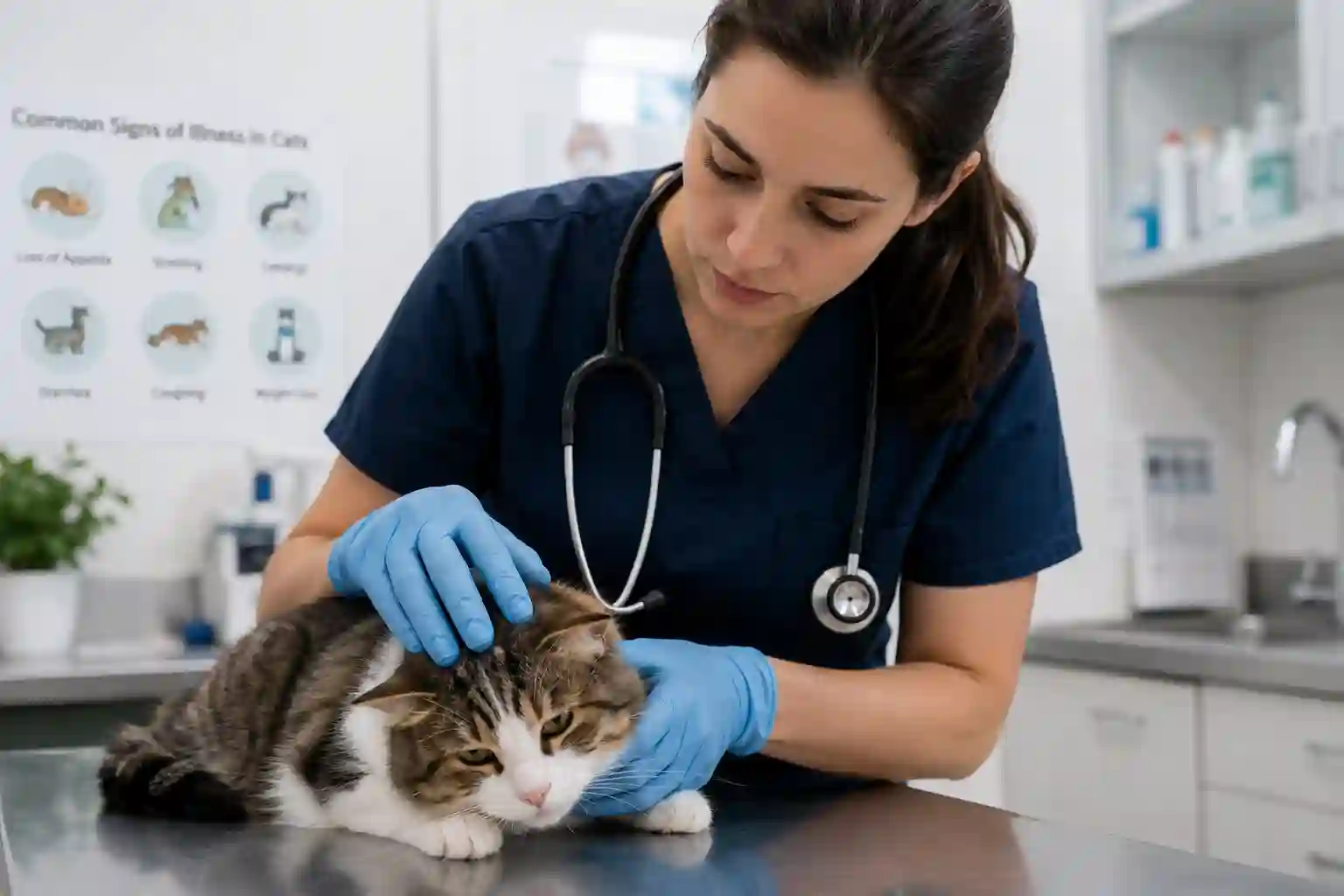
7 Common Cat Diseases & Symptoms Every Owner Should Know (2026 Guide)
7 Common Cat Diseases Every Owner Should Know
In this guide, we're breaking down seven common health problems cats can experience, the symptoms owners should watch for, when it's time to call the vet, and a few practical products that can support everyday feline wellness.
Why Cats Hide Their Illness
Cats are natural survivors. In the wild, showing weakness can make an animal vulnerable, so cats have evolved to hide signs of pain and illness.
That instinct hasn't disappeared just because your cat now sleeps on your couch.
This is why small changes in behavior can matter. Eating less, drinking more, spending unusual amounts of time in the litter box, hiding more often, grooming differently, or suddenly becoming less active can all be worth paying attention to.
Vet tip: You don't need to diagnose your cat yourself. If your cat's normal behavior suddenly changes, keep an eye on the pattern and contact your veterinarian if the change persists or seems significant.
✅ Shop Now — Cat Water Fountains & Everyday Wellness Products
1. Feline Lower Urinary Tract Disease (FLUTD)
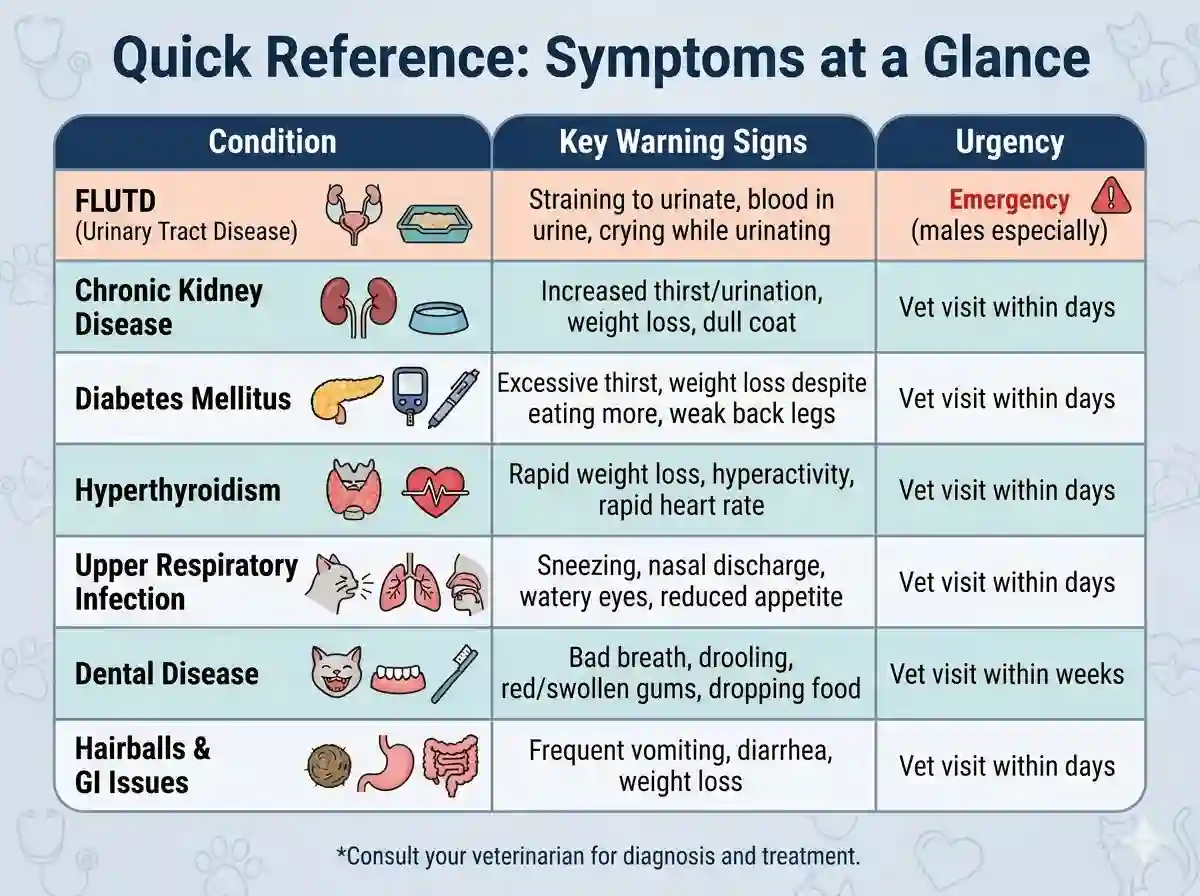
FLUTD is an umbrella term for several conditions affecting the bladder and urethra. Cats with urinary problems may show changes in litter-box behavior that are easy to mistake for a behavioral issue.
Symptoms: Straining to urinate, frequent trips to the litter box, blood in the urine, urinating outside the litter box, excessive licking of the genital area, or crying while urinating.
Male cats are particularly vulnerable to urethral obstruction. If a male cat is repeatedly straining but producing little or no urine, treat it as an emergency and seek veterinary care immediately.
For cats with a diagnosed urinary condition, veterinarians may recommend therapeutic diets such as Hill's Prescription Diet c/d Multicare Urinary Care Dry Cat Food. This is a prescription diet, so it should only be used according to your veterinarian's recommendation.
Hydration can also be important for everyday urinary health. A product such as the Catit Flower Fountain with Triple Action Filter, 3 L can encourage some cats to drink more by providing continuously circulating water.
✅ Shop Now — Catit Flower Fountain with Triple Action Filter, 3 L

2. Chronic Kidney Disease (CKD)
Chronic kidney disease is common in older cats and usually develops gradually. Because the early signs can be subtle, routine veterinary examinations become increasingly important as cats age.
Symptoms: Increased thirst and urination, weight loss, reduced appetite, vomiting, dehydration, and a dull or unkempt coat.
There is no simple cure for chronic kidney disease, but veterinary management can help many cats maintain a good quality of life. Blood and urine testing are important parts of evaluating kidney function, and treatment is individualized to the cat.
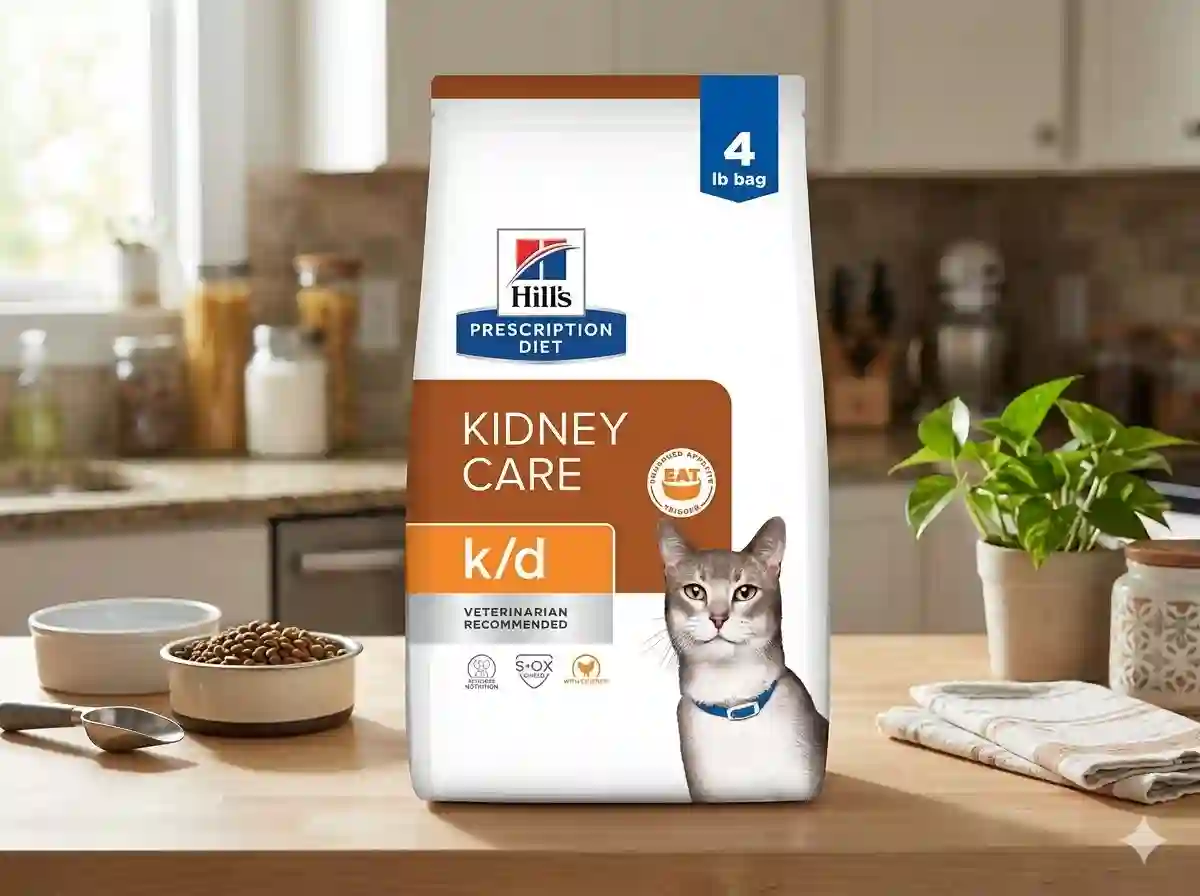
Veterinarians may prescribe therapeutic renal diets such as Hill's Prescription Diet k/d Kidney Care Dry Cat Food or Purina Pro Plan Veterinary Diets NF Kidney Function Advanced Care Feline Formula. These are not ordinary wellness foods, so discuss them with your veterinarian before purchasing.
✅ Shop Now — Hill's Prescription Diet k/d Kidney Care Dry Cat Food
3. Diabetes Mellitus
Feline diabetes occurs when a cat's body cannot properly regulate blood glucose. Overweight cats are at greater risk, which makes healthy weight management an important part of long-term prevention.
Symptoms: Excessive thirst, increased urination, increased appetite combined with weight loss, lethargy, and weakness or an unusual gait in the hind legs.
Pro tip: Portion control, regular interactive play, and maintaining a healthy body weight can help reduce some of the risk factors associated with feline diabetes.
If your cat is losing weight despite eating normally or drinking much more water than usual, don't try to treat the problem with a supplement. A veterinarian can perform the appropriate blood and urine testing.
For everyday nutrition, choose a complete and balanced cat food appropriate for your cat's age, weight, and health status rather than buying a "diabetic" product without veterinary guidance.
✅ Shop Now — Healthy Weight Cat Food & Interactive Cat Toys
4. Hyperthyroidism
Hyperthyroidism is one of the most common endocrine disorders affecting middle-aged and older cats. It occurs when the thyroid gland produces excessive thyroid hormone.
Symptoms: Rapid weight loss despite a strong appetite, restlessness or hyperactivity, increased thirst, increased urination, vomiting, diarrhea, and a rapid heart rate.
Because several of these symptoms overlap with other feline diseases, diagnosis requires veterinary testing. A sudden change in weight in a senior cat should never simply be blamed on aging.
Senior-cat wellness products can support everyday care, but they cannot treat hyperthyroidism. If your cat has been diagnosed with thyroid disease, follow your veterinarian's treatment and monitoring plan.
✅ Shop Now — Senior Cat Food & Wellness Products

5. Upper Respiratory Infections (URIs)
Upper respiratory infections are often compared with a human cold. They are particularly common in multi-cat environments, shelters, boarding facilities, and other places where cats have close contact with one another.
Symptoms: Sneezing, nasal discharge, watery eyes, congestion, reduced appetite, and lethargy.
Cats may eat less when congested because their sense of smell plays an important role in appetite. Make sure your cat has access to fresh water and a comfortable, low-stress environment.
For households dealing with airborne dust, dander, and general indoor particles, a HEPA air purifier can be a useful household product. For example, the Amazon Basics Air Purifier with 3-Stage Filtration and HEPA Filter is designed to filter airborne particles and is marketed for pet owners and allergy sufferers.
An air purifier does not treat a feline respiratory infection, however. A cat with persistent, severe, or worsening respiratory symptoms should be evaluated by a veterinarian.
✅ Shop Now — Amazon Basics Air Purifier with HEPA Filter

6. Dental Disease
Dental disease is one of the most overlooked health problems in cats. Plaque and tartar can contribute to gum inflammation, pain, and other oral health problems.
Symptoms: Bad breath, drooling, red or swollen gums, difficulty eating, dropping food, pawing at the mouth, or suddenly becoming reluctant to eat.
Regular toothbrushing is considered an important part of preventive dental care, but not every cat immediately accepts a toothbrush.
A practical starting point can be a cat-specific dental product such as Greenies Feline Dental Treats or Vet's Best Dental Care Finger Wipes for Dogs & Cats. The latter is specifically designed to help clean teeth and gums and freshen breath.
Remember that dental treats and wipes are for home care. They do not replace a veterinary dental examination or professional cleaning when dental disease is already advanced.
✅ Shop Now — Greenies Feline Dental Treats

7. Hairballs and Gastrointestinal Issues
Occasional hairballs can be normal, especially in cats that groom themselves frequently. But repeated vomiting should not automatically be dismissed as "just hairballs."
Frequent vomiting can be associated with gastrointestinal disease, dietary intolerance, parasites, inflammatory conditions, or other medical problems.
Symptoms: Repeated vomiting, diarrhea, constipation, weight loss, reduced appetite, or noticeable changes in stool.
If your cat is vomiting frequently, losing weight, becoming lethargic, or showing other concerning symptoms, schedule a veterinary examination instead of simply switching supplements.
For healthy cats that need routine hairball support, a complete cat food formulated for hairball control may be a more appropriate everyday option than randomly adding supplements. One example is Hill's Science Diet Urinary Hairball Control Adult Cat Food, which combines urinary-health nutrition with added fiber for hairball management.
✅ Shop Now — Hill's Science Diet Urinary Hairball Control Cat Food

When to See a Vet: Urgent Warning Signs
Some symptoms should never wait for a "let's see how it goes" approach.
Head to a veterinarian or emergency veterinary hospital immediately if your cat shows:
- Straining to urinate with little to no urine output
- Difficulty breathing
- Collapse or inability to stand normally
- Severe weakness or extreme lethargy
- Repeated vomiting with worsening condition
- Signs of severe pain
- Significant bleeding
- Sudden neurological changes
- A serious injury or trauma
If your cat stops eating, don't automatically wait 24 hours. Cats that refuse food can become seriously ill, particularly when another health problem is present.
Vet tip: When you're unsure, call your veterinary clinic. A quick phone conversation can help determine whether your cat needs emergency care, a same-day appointment, or monitoring at home.
Buying Guide: Treatment & Prevention Options
Treatment depends entirely on the diagnosis. The right product for one cat can be inappropriate for another, especially when kidney disease, urinary disease, diabetes, or other chronic conditions are involved.
Common veterinary approaches may include:
- Prescription diets — therapeutic foods may be recommended for conditions such as kidney disease or urinary disease. Products such as Hill's Prescription Diet c/d and k/d are examples, but they should be used under veterinary guidance.
- Medications — some cats require medications for diabetes, hyperthyroidism, infections, inflammation, or other diagnosed conditions.
- Fluid therapy — may be used for cats with dehydration or certain chronic diseases when prescribed by a veterinarian.
- Dental treatment — professional cleaning and dental procedures may be necessary when significant tartar, gum disease, or painful dental problems are present.
- Long-term monitoring — cats with chronic diseases may need regular bloodwork, urine testing, weight checks, blood-pressure monitoring, or other follow-up care.
Prevention tips for a healthier cat:
- Schedule regular veterinary checkups — senior cats may need more frequent examinations.
- Keep fresh water available at all times.
- Consider a water fountain if your cat prefers moving water.
- Feed a complete and balanced diet appropriate for your cat's age and lifestyle.
- Keep your cat at a healthy body weight through appropriate portions and regular activity.
- Introduce regular dental care at home.
- Keep litter boxes clean and monitor changes in urination.
- Provide interactive play and environmental enrichment.
- Reduce unnecessary household stress.
- Pay attention to changes in appetite, thirst, grooming, weight, and litter-box habits.
The Catit Flower Fountain with Triple Action Filter is one practical hydration product worth considering for cats that prefer running water.
✅ Shop Now — Catit Flower Fountain with Triple Action Filter

FAQ
1. How do I know if my cat is really sick or just being a cat?
Look for changes from your cat's normal routine. Changes in appetite, thirst, litter-box behavior, grooming, activity level, weight, or social behavior can all be worth monitoring. If the change is sudden, severe, or persistent, contact your veterinarian.
2. What is the most common disease in cats?
There isn't one single disease that applies to every cat or age group. Dental disease, obesity-related problems, urinary disorders, chronic kidney disease, and other conditions are commonly encountered in feline veterinary practice.
3. Can indoor cats get sick even if they never go outside?
Yes. Indoor cats can still develop kidney disease, diabetes, dental disease, urinary problems, gastrointestinal conditions, and other illnesses. Indoor living reduces exposure to some outdoor hazards but does not eliminate disease risk.
4. How often should I take my cat to the vet?
Healthy adult cats generally benefit from regular veterinary examinations, while senior cats and cats with chronic conditions may need more frequent monitoring. Your veterinarian can recommend the appropriate schedule based on your cat's age and health.
5. What are the first signs of kidney disease in cats?
Increased thirst and increased urination are commonly noticed signs, followed by weight loss, appetite changes, vomiting, dehydration, or changes in grooming. Early kidney disease can be difficult to identify at home, which is why routine veterinary testing is valuable.
Final Verdict
Cats may be experts at hiding pain, but you don't have to be in the dark.
Learning the warning signs of common cat diseases can help you recognize when something isn't normal and get veterinary care sooner. Products such as water fountains, dental-care tools, appropriate foods, and home air purifiers can support everyday cat care — but they should complement, not replace, professional veterinary care.
If your cat's behavior, appetite, weight, drinking, breathing, or litter-box habits suddenly change, don't ignore it.
Looking for real experiences from other cat owners? Read real reviews from pet owners on PetRaters.com to see what products other pet owners have tried and how they fit into everyday cat care.
✅ Shop Now — Browse Top-Rated Cat Health & Wellness Products
Disclaimer: This article is for informational purposes only and is not a substitute for professional veterinary advice. Prescription diets, medications, supplements, and other therapeutic products should be used only according to your veterinarian's recommendations. Always consult your veterinarian before changing your cat's diet or starting a new treatment.
Some links may be affiliate links.