
Why You Should Have a Pet — Benefits & Drawbacks Explained
There's a reason "get a dog, it'll change your life" is such a common piece of advice — and honestly, the research backs it up. But pet ownership isn't all cuddles and good vibes. It's also 2 a.m. vet emergencies, muddy paw prints on your couch, and a monthly budget line that doesn't disappear. If you're weighing whether a pet belongs in your life, here's an honest, research-based look at what you're actually signing up for — the good and the genuinely inconvenient.
The Benefits of Having a Pet
1. Real Mental Health Support This isn't just a feel-good claim — it's backed by data. A 2023 survey found that 86% of pet owners believe their pet has a positive impact on their mental health, citing reduced anxiety, companionship, and a calming daily presence. Research also links pet ownership to lower rates of depression, and pets have been shown to support people managing anxiety, PTSD, and even ADHD.
2. Lower Stress and Better Physical Health Just having a pet nearby has been shown to lower resting blood pressure, and pet owners tend to get more consistent physical activity — whether that's daily dog walks or simply being more active around the house. Over time, that adds up to real cardiovascular benefits.
3. Cognitive Benefits, Especially Later in Life A cross-sectional brain health study found pet owners — especially dog owners — showed better processing speed, memory, and attention, with researchers noting pet ownership was linked to what amounted to a "younger" brain age in some participants.
4. A Built-In Sense of Purpose and Routine Feeding, walking, and caring for a pet on a consistent schedule creates structure in your day. For a lot of owners, that daily responsibility is genuinely grounding, especially during stressful periods of life.
5. Support for Older Adults Older adults who own pets report less loneliness, more physical activity, and a better overall quality of life. Pets have even been shown to ease distress for people managing dementia or Alzheimer's, offering comfort even as memory changes.

The Drawbacks of Having a Pet
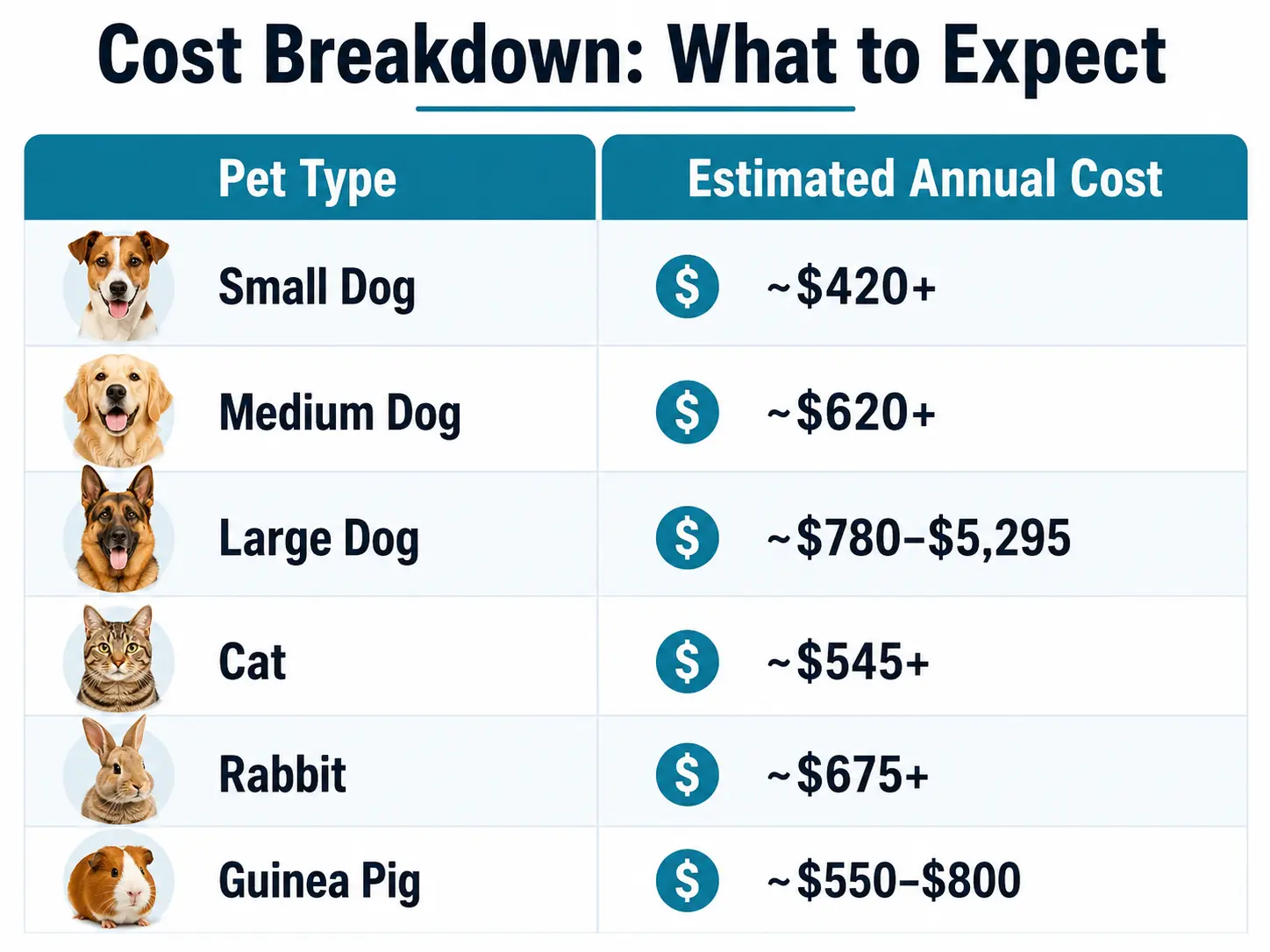
1. It's a Real Financial Commitment This is the part people underestimate most. The average pet parent spent roughly $2,360 on their pet in 2025, with health-related costs alone running over $1,100 a year. Dog ownership can run anywhere from $1,390 to $5,295 annually depending on breed and size — which adds up to tens of thousands of dollars over a dog's lifetime. Cats are generally cheaper, but annual costs (excluding spay/neuter and supplies) still average around $545 a year, and can climb quickly if dental or chronic health issues come up.
2. Time and Daily Responsibility Pets don't take days off. Feeding, walking, litter box cleaning, grooming, and training all need to happen consistently, and skipping that routine has real consequences for their wellbeing — and often for your furniture.
3. Lifestyle Restrictions Spontaneous weekend trips get more complicated once you need to arrange pet sitting or boarding. Some rentals restrict pets entirely or charge extra fees, which can limit your housing options.
4. Emotional Weight The flip side of that deep bond is real grief when a pet passes away. Interestingly, one 2021 study found that many people navigating pet loss felt more supported by their pet than by their human support systems — which speaks to how deep that bond runs, but also how hard the loss can hit.
5. Rising Vet Costs Veterinary care costs have climbed noticeably in recent years, driven by inflation, staffing, and clinic consolidation — meaning routine and emergency care both cost more than they used to, even compared to just a few years ago.
Vet tip: Pet insurance or a dedicated savings buffer can soften the blow of unexpected vet bills, which tend to be the biggest budget surprise for new owners.
Is a Pet Right for You?
Before bringing a pet home, it's worth honestly asking yourself:
- Can I comfortably absorb an unexpected $500–$1,000+ vet bill?
- Do I have consistent time each day for feeding, walking, or playtime?
- Does my living situation (rental rules, space, roommates) actually support a pet?
- Am I prepared for a 10–16+ year commitment, depending on the species?
- Do I have a backup plan for travel, work trips, or emergencies?
If most of those feel manageable, a pet can genuinely be one of the most rewarding additions to your life. If several feel shaky right now, it's okay to wait until the timing is better — for your sake and the animal's.
FAQ
1. Do the mental health benefits of pets apply to all pet types, not just dogs? Yes. While dogs are linked to more physical activity and social interaction, cats and other pets also provide companionship and emotional support, just in different ways.
2. What's the biggest hidden cost of pet ownership? Veterinary care, especially emergency visits, tends to be the cost people underestimate most going in.
3. Are the benefits of pet ownership backed by real research, or just anecdotal? Both. There's a growing body of peer-reviewed research linking pet ownership to lower stress, reduced depression symptoms, and even measurable brain health benefits, alongside strong anecdotal support from owners themselves.
4. Is it fair to get a pet if I work full-time? It can be, depending on the pet and your schedule. Many owners make it work with dog walkers, doggy daycare, or pets that are naturally more independent, like cats.
5. What's the best pet for a first-time owner? It depends on your lifestyle, but cats and smaller pets like guinea pigs generally require less daily time commitment than dogs, making them a common starting point for first-time owners.

Final Thoughts
The benefits of pet ownership are real and well-documented — lower stress, better physical health, a sharper mind, and genuine companionship. But it's just as real that pets come with a serious financial and time commitment that deserves honest consideration before you bring one home.
If you're still deciding, or already have a pet and want to make smarter choices around food, vets, and products, real pet owners share honest experiences and reviews on PetRaters.com — a good place to learn from people who've already been where you're standing now.
Disclaimer: This article is for general informational purposes and is not a substitute for professional financial or veterinary advice.