New Puppy Supplies Checklist 2026 (Complete Guide)
Secondary Keyword Note
"New puppy supplies checklist" was chosen over the broader "new puppy checklist" because the broad version is dominated by major sites (PetMD, Trupanion, AKC). The supplies-focused angle still captures strong buyer intent from new owners actively shopping, while being a slightly more winnable long-tail target.
New Puppy Supplies Checklist 2026 — Everything You Actually Need
Bringing a puppy home is one of those moments that feels like a movie montage right up until you realize you forgot to buy a leash. Between the excitement and the chaos of the first few days, it's easy to either overbuy on things you don't need or forget something genuinely important.
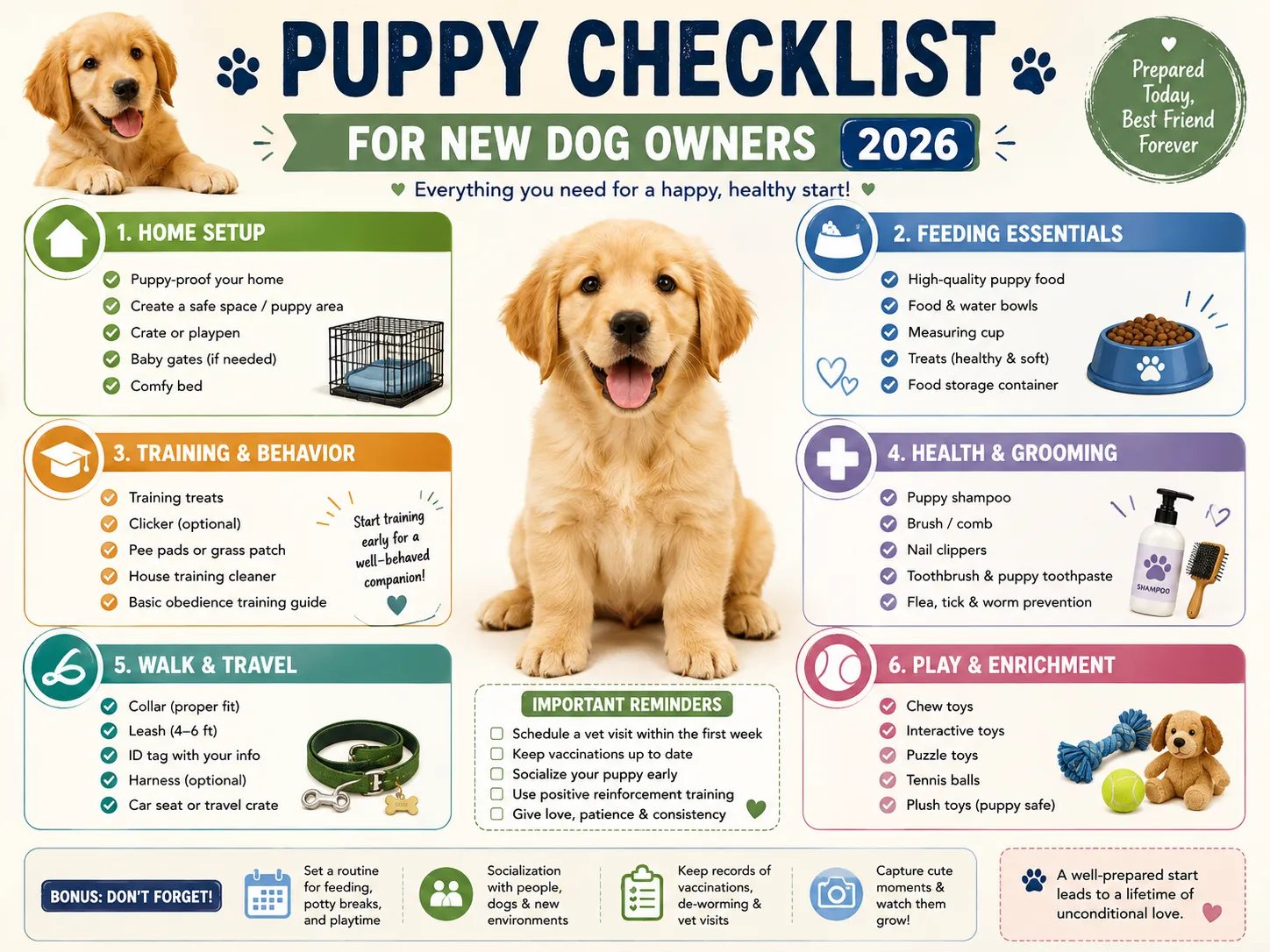
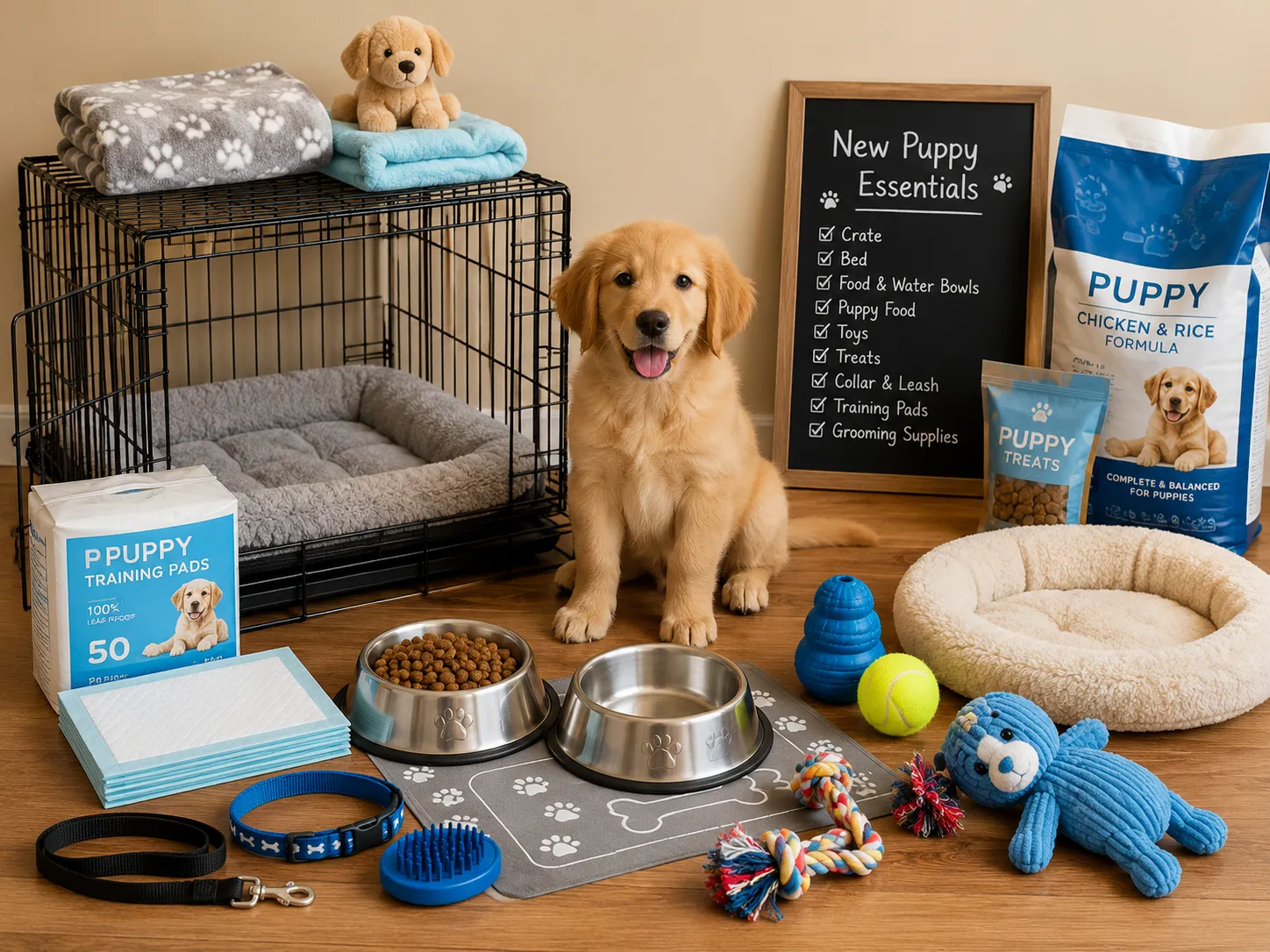
We put together a complete, category-by-category new puppy supplies checklist for 2026, based on what vets and trainers actually recommend — not just what's trending. Work through this before your puppy comes home, and the first month will go a whole lot smoother.
Before Your Puppy Arrives: The Essentials
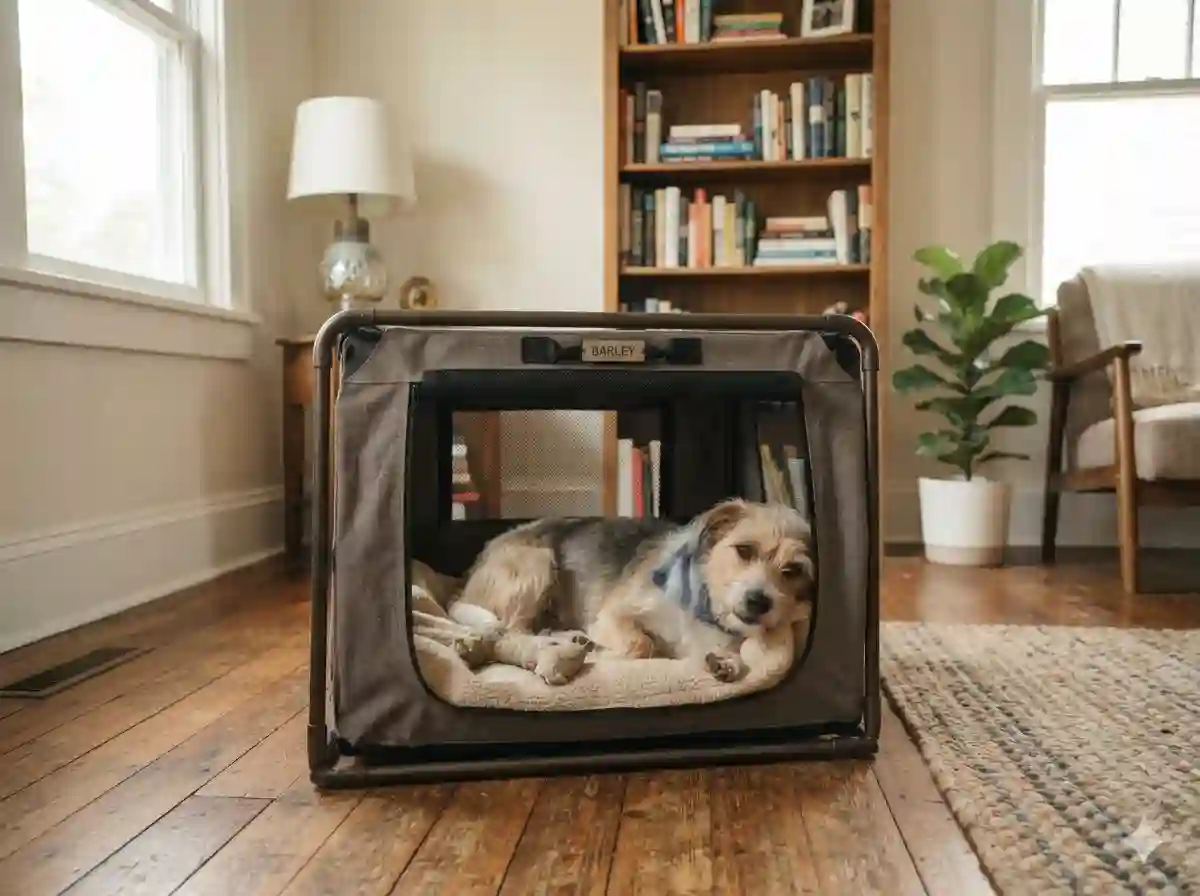
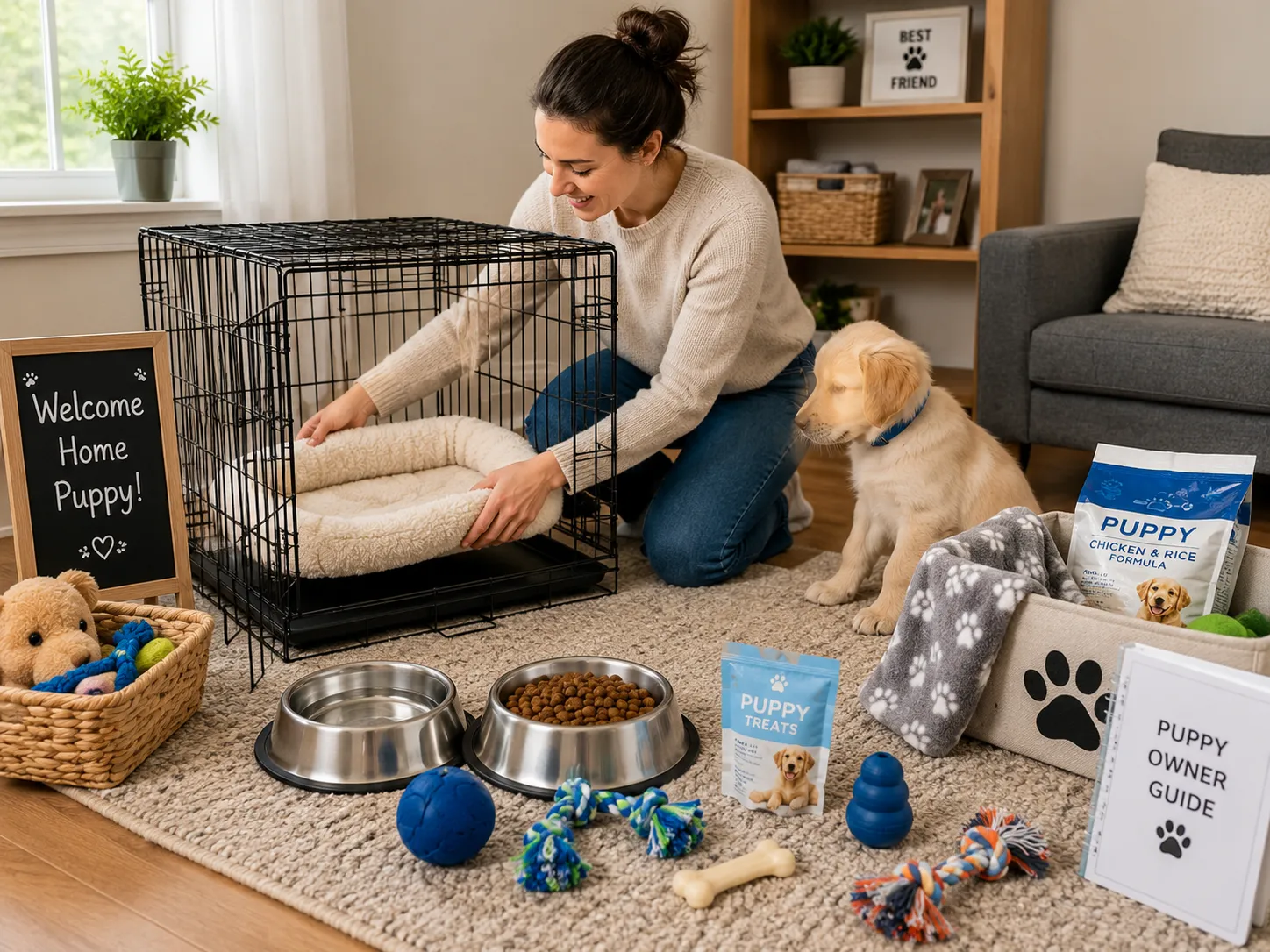
1. Crate A properly sized crate is one of the most important purchases you'll make — it supports potty training, gives your puppy a safe space, and helps prevent destructive behavior when unsupervised. Choose one just big enough to stand, turn around, and lie down in. ✅ Shop Now — Puppy Crate
2. Food & Water Bowls Stainless steel bowls are generally easier to clean and more hygienic than plastic, which can harbor bacteria and cause chin acne in some dogs. ✅ Shop Now — Stainless Steel Bowl Set
3. Age-Appropriate Puppy Food Look for a food with an AAFCO growth nutritional adequacy statement on the label. If your puppy will be 50+ pounds as an adult, they'll likely need a large-breed specific formula to support healthy joint development. ✅ Shop Now — Puppy Food (Growth Formula)
4. Collar, Leash & ID Tag An ID tag is essential even if your puppy is microchipped, since collars can slip off but a chip can't. Keep both the collar info and microchip registration updated as your puppy grows. ✅ Shop Now — Puppy Collar & Leash Set ✅ Shop Now — Custom ID Tag
5. Comfortable Bedding A soft, washable bed inside the crate (or nearby) gives your puppy a cozy, consistent place to settle, which helps with both sleep training and general comfort. ✅ Shop Now — Puppy Bed
Potty Training Supplies
6. Puppy Pads Useful during the first few weeks, especially for apartment dwellers or during bad weather, though many trainers recommend transitioning outdoors as soon as your puppy is ready. ✅ Shop Now — Puppy Training Pads
7. Enzymatic Cleaner Regular cleaners don't fully break down the scent markers that draw puppies back to the same accident spot. An enzymatic cleaner neutralizes the odor at a molecular level, which meaningfully reduces repeat accidents. ✅ Shop Now — Enzymatic Pet Odor Remover
8. Waste Bags A roll (or a full dispenser system) of leakproof waste bags is a walk essential you'll reach for daily from day one. ✅ Shop Now — Dog Waste Bags & Dispenser
Chewing & Enrichment
9. Durable Chew Toys Teething starts early, and puppies need something appropriate to chew on — durable rubber toys like KONG-style chews soothe sore gums and redirect chewing away from shoes and furniture. ✅ Shop Now — Puppy Chew Toys
10. Interactive/Puzzle Toys Mental stimulation matters just as much as physical activity. Puzzle toys help tire out a puppy's brain, which can reduce boredom-driven destructive behavior. ✅ Shop Now — Puppy Puzzle Toy
11. Soft Play Ball A lightweight, soft ball is great for early games of fetch and tug, building coordination and burning energy safely indoors or out. ✅ Shop Now — Soft Puppy Play Ball
Training & Bonding
12. Small, Low-Calorie Training Treats Soft, bite-sized treats keep training sessions sharp without overfeeding. Rewarding good behavior consistently is one of the fastest ways to shape lasting manners. ✅ Shop Now — Puppy Training Treats
13. Treat Pouch A clip-on treat pouch keeps both hands free during walks and training sessions, making it easier to reward good behavior in the moment. ✅ Shop Now — Clip-On Treat Pouch
Grooming & Health
14. Puppy-Safe Grooming Brush Getting your puppy used to brushing early builds a positive association with grooming, which pays off for the rest of their life. ✅ Shop Now — Puppy Grooming Brush
15. Nail Clippers Regular nail trims (every 2–3 weeks) prevent overgrown nails from affecting your puppy's gait, and starting early makes the process far less stressful long-term. ✅ Shop Now — Puppy Nail Clippers
16. Flea & Tick Prevention Talk to your vet about the right flea and tick prevention for your puppy's age and weight — this is a non-negotiable early health step, not an optional extra. ✅ Shop Now — Flea & Tick Prevention
Your First-Week Action Plan
- Puppy-proof your home — secure cords, remove toxic plants, and store chemicals out of reach
- Schedule a vet visit within 48–72 hours of bringing your puppy home for a health check and vaccination plan
- Start a consistent daily routine — feeding, potty breaks, and sleep on a predictable schedule
- Begin gentle socialization early — positive exposure to new people, sounds, and experiences builds lasting confidence
Vet tip: Ask your vet for personalized nutritional counseling to confirm your puppy's specific calorie needs — generic feeding guidelines on the bag are a starting point, not a guarantee.
FAQ
1. What's the most important thing to buy before a new puppy comes home? A properly sized crate and age-appropriate puppy food are the two non-negotiables — everything else can be added within the first week or two.
2. Do I really need an ID tag if my puppy is microchipped? Yes. A microchip is permanent identification, but it requires a scanner to read. A visible ID tag helps anyone who finds your puppy reach you immediately.
3. How soon should I take my new puppy to the vet? Most vets recommend scheduling a visit within 48 to 72 hours of bringing your puppy home for an initial health check and vaccination plan.
4. Are puppy pads necessary, or can I just go straight outside? It depends on your living situation — apartment dwellers or those in extreme weather often find pads useful short-term, though many trainers recommend transitioning outdoors as soon as your puppy's schedule allows.
5. How many toys does a puppy actually need? A mix of 3–5 toys covering chewing, mental stimulation, and active play is generally enough — rotating them periodically keeps your puppy more engaged than having everything out at once.
Final Thoughts
You don't need to buy everything on this list on day one — but having the core essentials ready before your puppy walks through the door makes those first chaotic days feel a lot more manageable. Focus on the crate, food, and safety basics first, then build out the rest as you settle into your new routine together.
Not sure which products are actually worth it? Real puppy owners share honest supply reviews on PetRaters.com, so you can shop smart instead of guessing what your puppy will actually use.
✅ Shop Now — Browse the complete new puppy essentials collection
Disclaimer: This article is for informational purposes only and is not a substitute for professional veterinary advice. Always consult your vet regarding your puppy's specific nutritional and health needs. Some links may be affiliate links.